Facial Photo Rejuvenation in Orlando
Home » Facial Photo Rejuvenation in Orlando
Advanced Facial Photo Rejuvenation in Orlando: The Clinical Blueprint for Cellular Renewal and Pigment Correction
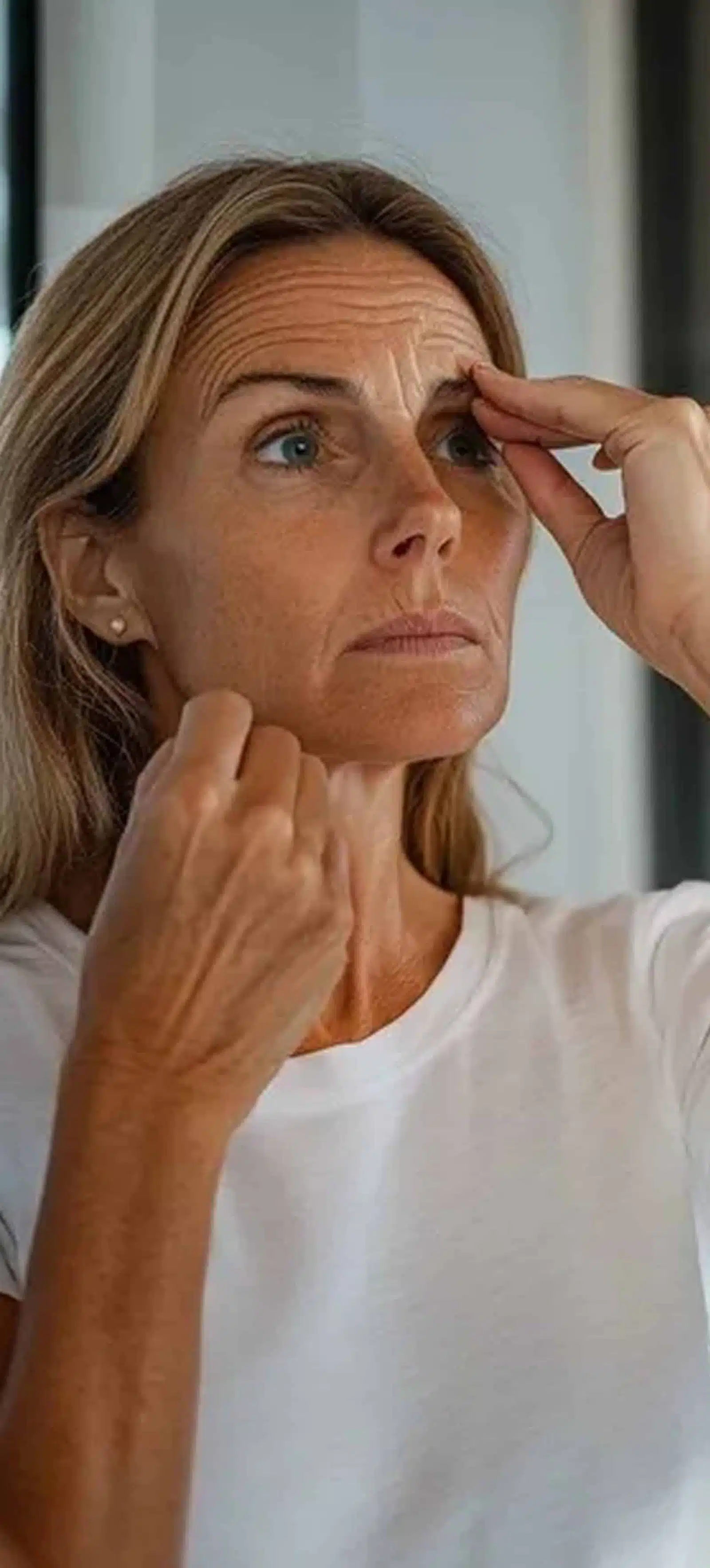
When evaluating the dermatological topography of the aging face, the narrative is rarely written by a single chronological milestone. Instead, it is inscribed incrementally through cumulative environmental exposure, phototoxic insults, vascular dilation, and the gradual degradation of structural proteins. For residents and visitors navigating Central Florida’s punishing UV index, high ambient humidity, and relentless solar radiation, these dermal alterations manifest early. Solar lentigines, telangiectasias, diffuse dermal elastosis, and textural degradation become prominent fixtures of the clinical presentation.
For aesthetic practitioners and patients alike, the objective is clear: reverse accumulated photodamage and stimulate native regenerative pathways without inducing unnecessary thermal trauma or extended social downtime. Enter facial photo rejuvenation, a foundational cornerstone of modern non-ablative aesthetic medicine. Utilizing precise broadband light spectra, this therapeutic modality targets the chromophores responsible for dyschromia and vascular irregularities while simultaneously signaling fibroblasts to upregulate collagen and elastin synthesis.
At Wymore Laser, situated in the greater Orlando area, clinical protocols are engineered beyond surface-level aesthetics. By marrying advanced Intense Pulsed Light (IPL) physics with rigorous patient assessment and customized treatment parameters, our clinic delivers measurable structural remodeling. This comprehensive guide explores the biophysics, clinical indications, regional skin considerations, and protocols that define elite photo rejuvenation at Wymore Laser.
The Biophysics of Broad-Band Light: Selective Photothermolysis
To understand why facial photo rejuvenation yields such profound clinical outcomes, one must examine the foundational physics governing the procedure. Unlike ablative lasers (such as CO2 or Erbium:YAG) which vaporize tissue column by column, or fixed-wavelength lasers targeting a single chromophore, Intense Pulsed Light systems emit a non-coherent, polychromatic spectrum of light typically spanning wavelengths from 400 nm to 1200 nm.
Chromophore Targeting and Absorption
The efficacy of an IPL photofacial relies entirely on the principle of selective photothermolysis, pioneered by Anderson and Parrish. The broad spectrum of light is filtered using specialized cut-off filters (e.g., 515 nm, 550 nm, or 590 nm) to block shorter, scatter-prone wavelengths and isolate specific ranges optimized for target chromophores:
- Melanin Absorption: Melanin absorbs heavily across the shorter end of the visible spectrum. When high-intensity light pulses strike epidermal and upper dermal melanocytes, the cellular architects of sun spots and hyperpigmentation, the pigment rapidly absorbs the optical energy and converts it into localized thermal energy.
- Hemoglobin Absorption: Oxyhemoglobin and deoxyhemoglobin absorb strongly in the green, yellow, and red spectral bands. When treating vascular lesions, broken capillaries, or diffuse erythema, the light energy is absorbed by the red blood cells within the vessel lumen. This coagulates the protein structure of the vessel wall, causing it to collapse and be safely metabolized by the body's macrophage system.
Thermal Relaxation Time (TRT) and Dermal Remodeling
Crucially, modern IPL handpieces deliver energy in controlled pulses, allowing practitioners to tailor pulse durations and delays based on the Thermal Relaxation Time (TRT) of the target structure. The TRT represents the time required for a heated target to dissipate 50% of its thermal energy into the surrounding tissue. By matching the pulse duration to the TRT of a sun spot or micro-vessel, the energy remains localized, sparing adjacent epidermal structures from collateral damage.
Beyond clearing pigment and vascular irregularities, the sub-lethal thermal diffusion reaching the papillary dermis triggers a wound-healing cascade. Fibroblasts specialized connective tissue cells sense this mild thermal gradient and respond by accelerating the transcription of genes responsible for procollagen type I and type III, as well as tropoelastin. Over successive weeks, this biological response restores structural integrity, compacts loose collagen fibers, and tightens the extracellular matrix, yielding measurable improvements in dermal density and elasticity.
The Orlando Environmental Matrix: Why Central Florida Skin Requires Specialized Care
Skincare protocols cannot exist in a vacuum; they must be adapted to the geographic and climatic realities of the patient's environment. Orlando, Florida, presents a distinct environmental matrix that accelerates skin aging and compromises barrier function.
High Solar Irradiance and UV Index
Central Florida experiences high ultraviolet index ratings for the majority of the calendar year. UVA rays (320–400 nm) penetrate deep into the dermis, generating reactive oxygen species (ROS), degrading collagen matrices, and upregulating matrix metalloproteinases (MMPs). UVB rays (290–320 nm) target the epidermis, driving acute erythema, DNA mutations, and hyperpigmentation. For Orlando residents, chronic, low-dose UV exposure is an unavoidable daily reality, making corrective interventions like photo rejuvenation not merely cosmetic luxuries, but essential therapeutic maintenance.
Humidity, Sebum Dynamics, and Barrier Stress
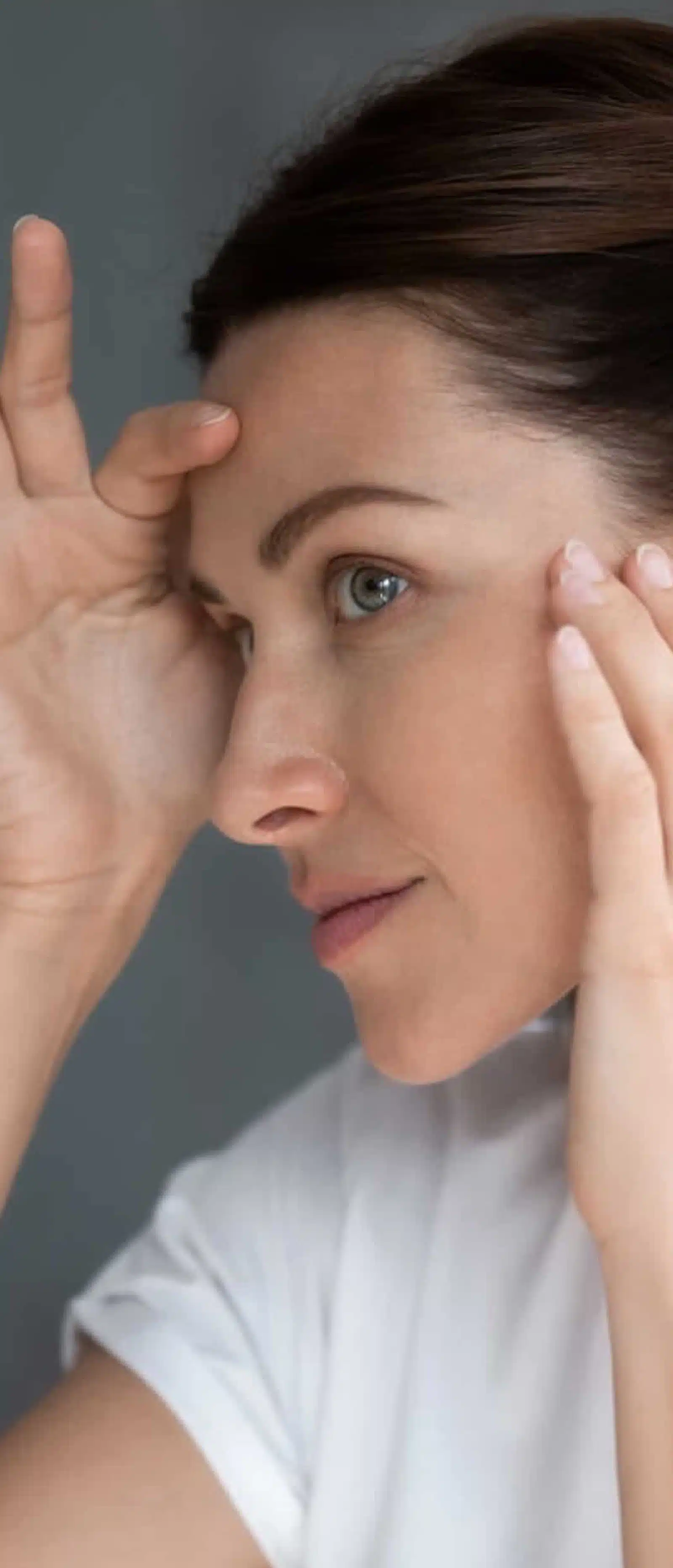
While heavy atmospheric humidity helps prevent surface dehydration, it also interacts with urban pollutants, particulate matter, and heavy sunscreens to clog follicular ostia. This combination frequently exacerbates inflammatory skin conditions, hyperkeratinization, and dullness. Furthermore, the constant oscillation between aggressive outdoor heat and climate-controlled, dehumidified indoor environments strains the skin's lipid barrier, reducing its resilience and accelerating transepidermal water loss (TEWL).
At Wymore Laser, our clinical approach accounts for these regional stressors, integrating photo rejuvenation into a broader strategy designed to reinforce barrier function while reversing solar degradation.
Comprehensive Indications: What Facial Photo Rejuvenation Treats
The multi-wavelength versatility of advanced IPL systems allows clinicians to treat an extensive array of dermatological presentations within a single session.
1. Epidermal Dyschromia and Hyperplasia
- Solar Lentigines (Sun Spots): Sharply demarcated, hyperpigmented macules caused by chronic UV exposure. IPL shatters the melanin clusters, driving them upward.
- Ephelides (Freckles): While often genetic, solar activation darkens these spots; IPL offers uniform lighting.
- Post-Inflammatory Hyperpigmentation (PIH): Residual darkening following acne lesions or trauma (though treated with caution depending on skin type).
2. Vascular Anomalies and Inflammatory Rosacea
- Telangiectasias: Dilated dermal capillaries, commonly appearing around the alar crease of the nose and the malar eminences.
- Diffuse Erythema: Chronic background redness characteristic of rosacea subtype 1 (erythematotelangiectatic rosacea). IPL seals dysfunctional microvessels, dramatically reducing flushing episodes and calming neurovascular reactivity.
- Poikiloderma of Civatte: A chronic sun-induced condition characterized by mottled hyperpigmentation, hypopigmentation, telangiectasias, and dermal atrophy, predominantly affecting the lateral neck and chest (an area frequently treated alongside the face at Wymore Laser).
3. Textural Degradation and Structural Laxity
- Photoaging Fine Lines: Crow’s feet and perioral lines softened through neocollagenesis.
- Pore Enlargement: Tightening of structural collagen rings surrounding the pilosebaceous units, reducing the visual prominence of dilated pores.
- Dull, Ashen Complexion: Acceleration of epidermal turnover, stripping away compacted, photo-damaged corneocytes to reveal fresh, light-reflecting skin layers.
The Wymore Laser Clinical Protocol: From Consultation to Recovery
Achieving optimal clinical outcomes requires rigorous adherence to safety standards, precise calibration, and meticulous patient education. Every patient journey at Wymore Laser follows an evidence-based pathway.
[Initial Consultation & Fitzpatrick Typing]
▼
[Skin Preparation & Contraindication Screening]
▼
[Targeted IPL Delivery via Sapphire Contact Cooling]
▼
[Immediate Post-Care & Epidermal Protection]
▼
[Cellular Sloughing ("Coffee Grounding") & Remodeling]
Phase 1: The Pre-Treatment Consultation and Fitzpatrick Stratification
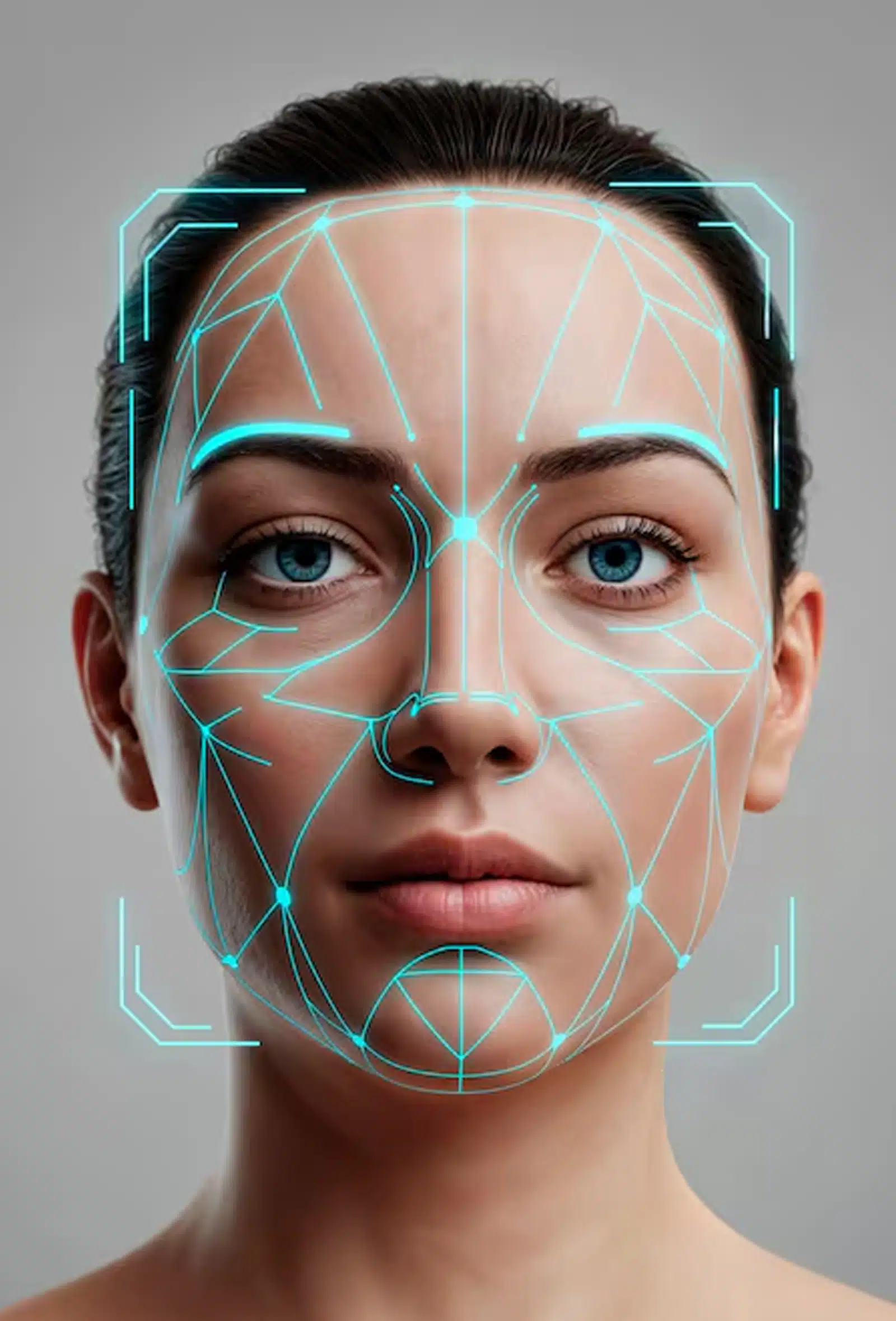
Before any optical energy is delivered, a comprehensive dermatological assessment is performed. We utilize the Fitzpatrick Skin Phototype Scale to classify the patient's skin melanin density and tanning response:
- Types I–III: Ideal candidates for traditional broadband IPL due to low baseline epidermal melanin, maximizing the safety margin between the target chromophore and surrounding skin.
- Types IV–VI: Require advanced diagnostic screening, specialized longer-wavelength cut-off filters, or alternative energy-based devices (such as Nd:YAG lasers or fractional non-ablative platforms) to mitigate the risk of post-inflammatory hyperpigmentation or hypopigmentation.
We also screen for absolute and relative contraindications, including active bacterial or viral infections (e.g., herpes simplex outbreaks), the use of photosensitizing medications (e.g., doxycycline, isotretinoin within the past 6 months), history of keloid scarring, pregnancy, and recent unprotected sun exposure or heavy tanning.
Phase 2: Procedural Execution and Patient Comfort
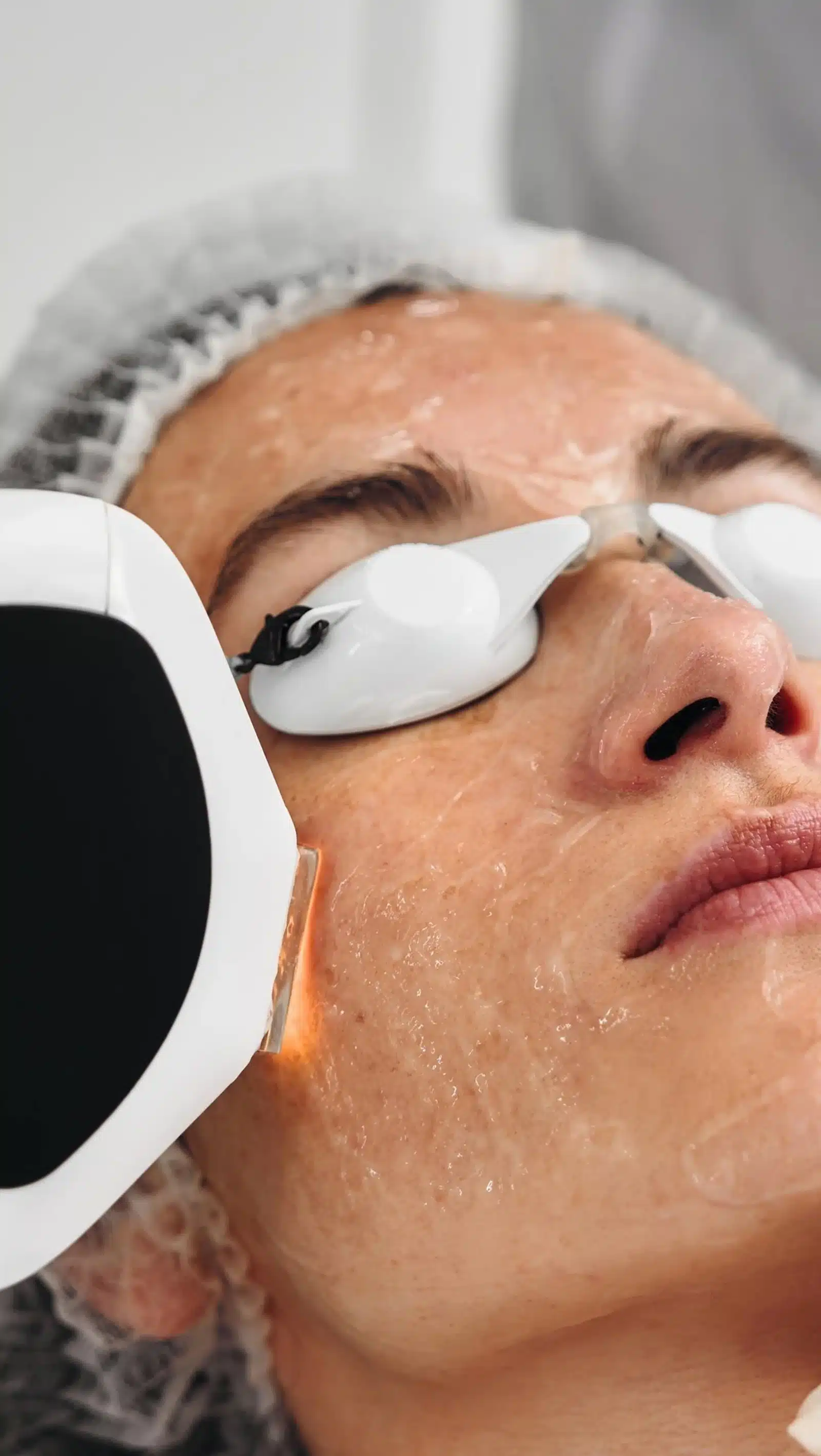
On the day of the procedure, the skin is meticulously cleansed to remove all traces of makeup, sebum, and topical products. Protective opaque eye shields are fitted to safeguard the retina against high-intensity optical radiation.
A chilled optical coupling gel is applied generously to the treatment zone. This gel serves two vital functions: it eliminates air interfaces that could cause light scattering, and it provides continuous thermal protection to the epidermal surface via advanced sapphire contact cooling built into the handpiece.
As the practitioner fires the device across the face, patients experience a sensation frequently described as a warm elastic snap against the skin. Most individuals tolerate the procedure exceptionally well without topical anesthetics, though a mild topical numbing cream can be applied 30 minutes prior for sensitive patients. A full-face protocol typically requires 30 to 45 minutes.
Phase 3: Immediate Post-Treatment Dynamics and "Coffee Grounding"
Immediately following the session, transient erythema and mild edema (swelling) develop around treated vascular structures and pigmented lesions, typically resolving within 2 to 24 hours.
For patients with significant sun spots, a fascinating clinical phenomenon occurs: micro-crustting or "coffee grounding." The shattered melanin rises to the epidermal surface, appearing as thousands of tiny, darkened speckles resembling coffee grounds. Patients are strictly instructed not to pick, scrub, or exfoliate these micro-crusts. Over the subsequent 3 to 7 days, as normal epidermal desquamation occurs, these particles naturally flake away during routine cleansing, revealing an exceptionally clear, uniform complexion underneath.
Comparative Analysis: IPL vs. Alternative Facial Rejuvenation Modalities
In the landscape of modern aesthetics, patients are often confronted with a dizzying array of treatment options. Understanding how facial photo rejuvenation stacks up against alternative modalities clarifies its unique clinical value proposition.
| Feature / Modality | Facial Photo Rejuvenation (IPL) | Fractional Laser Resurfacing (Erbium/CO2) | Chemical Peels (TCA/Glycolic) | Microneedling (CIT) |
| Primary Target | Pigment (Melanin) & Vascular (Hemoglobin) | Deep wrinkles, deep acne scars, severe texture | Surface exfoliation, mild pigment, acne | Collagen induction, acne scars, texture |
| Ablative vs. Non-Ablative | Non-Ablative (Broadband Light) | Ablative or Non-Ablative (Laser Columns) | Chemical Keratolysis | Mechanical Micro-Wound Induction |
| Social Downtime | 0 to 3 days (Mild redness, coffee grounding) | 5 to 14+ days (Peeling, raw tissue, crusting) | 2 to 7 days (Frosting, peeling, flaking) | 24 to 72 hours (Pinkness, mild swelling) |
| Vascular Treatment | Excellent (Seals capillaries, clears redness) | Poor to Moderate | Poor | Poor |
| Pigment Correction | Exceptional (Lifts sun spots, evens tone) | Good | Moderate | Moderate |
| Collagen Stimulation | Moderate (Dermal heating via fibroblasts) | Maximum (Deep thermal micro-injuries) | Low to Moderate | High (Mechanical channel induction) |
As illustrated above, while microneedling excels at mechanical collagen induction and fractional lasers target severe structural scarring, no modality matches IPL for the simultaneous clearance of vascular redness and superficial pigmented lesions with virtually zero downtime.
Maximizing and Sustaining Your Clinical Results
Achieving radiant skin is an investment; maintaining it requires a strategic, long-term protocol combining professional follow-up and rigorous home-care compliance.
The Recommended Treatment Course
While a single photofacial imparts an immediate, unmistakable luminosity, cumulative clinical studies demonstrate that optimal structural remediation requires a series of 3 to 5 treatments, scheduled at 4-week intervals. This staggered timeline allows the skin to heal fully between sessions, targets pigment as it migrates upward from deeper dermal layers, and ensures progressive, cumulative collagen remodeling.
Clinical Home-Care Regimen Post-IPL
To protect the newly cleared dermal layers and extend your results, patients at Wymore Laser are prescribed a tailored post-procedure regimen:
Uncompromising Photoprotection: Broad-spectrum mineral sunscreens containing zinc oxide or titanium dioxide (SPF 30 or higher) must be applied every morning, regardless of whether you plan to spend the day outdoors in Orlando. UV radiation is the primary driver of recurrent melanogenesis.
Barrier Restoration: Utilize gentle, non-foaming cleansers and lipid-rich moisturizers containing ceramides, hyaluronic acid, and niacinamide to reinforce the skin barrier and accelerate healing.
Temporary Suspension of Actives: Avoid retinoids, prescription tretinoin, alpha-hydroxy acids (AHAs), beta-hydroxy acids (BHAs), and mechanical scrubs for 5 to 7 days post-treatment until all micro-crusts have completely shed.
Targeted Maintenance: Once the primary series is complete, a single annual or semi-annual maintenance photofacial helps keep recurrent sun spots at bay and preserves peak collagen density year-round.
Synergistic Combination Therapies at Wymore Laser
For patients presenting with multi-dimensional signs of aging, combining photo rejuvenation with complementary aesthetic services produces transformative, harmonious results. Wymore Laser specializes in customized combination protocols:
- IPL + Medical-Grade Chemical Peels: Alternating IPL sessions with gentle corrective peels accelerates epidermal cell turnover, stripping away stubborn hyperkeratinization while clearing underlying pigment and vessels.
- IPL + Microneedling (Collagen Induction Therapy): By pairing vascular and pigment clearance with mechanical microneedling, clinicians simultaneously address surface discoloration and deep structural laxity, fine lines, and atrophic scarring.
- IPL + Neuromodulators and Dermal Fillers: While photo rejuvenation restores skin clarity, texture, and tone, injectable neuromodulators (such as Botox) smooth dynamic expression lines, and hyaluronic acid fillers restore lost mid-face volume. This comprehensive, multi-layered approach delivers a balanced, natural-looking facial rejuvenation.
Advanced Troubleshooting & Problem-Solving FAQs
What happens if I accidentally pick or scrub off the "coffee-ground" micro-crusts prematurely?
Prematurely removing the dark micro-crusts that appear after an IPL session interrupts the natural epidermal healing cascade. This can result in localized trauma, prolonged erythema, or post-inflammatory hyperpigmentation (PIH). If you disrupt a crust accidentally, immediately apply a soothing, barrier-repairing ointment containing ceramides or healing balms like Aquaphor, and maintain strict UV avoidance until the area fully re-epithelializes.
Why do some of my sun spots appear darker immediately after treatment instead of disappearing?
This darkening is a positive clinical indicator signifying that the broadband light energy successfully targeted and coagulated the melanin clusters. As the treated pigment is drawn upward toward the stratum corneum (the outermost layer of the skin), it forms the aforementioned micro-crusts. This temporary darkening precedes natural exfoliation, typically shedding within 3 to 7 days to reveal a lighter, more even skin tone underneath.
What should I do if I experience unexpected blistering or swelling following my photofacial?
While rare when protocols are calibrated correctly, minor blistering or localized swelling can occasionally occur, particularly in sensitive areas or over densely pigmented spots. If a blister forms, do not pop or pick at it. Keep the area clean with a gentle cleanser, apply a sterile petroleum-based ointment, and contact Wymore Laser immediately for clinical evaluation and follow-up care instructions.
Can I undergo facial photo rejuvenation if I have active acne breakouts or cystic lesions?
While IPL is primarily designed for dyschromia and vascular lesions, certain light filters (such as blue or yellow light wavelengths) can target Cutibacterium acnes bacteria and reduce inflammatory acne. However, if you have active, open pustules, severe cystic lesions, or broken skin in the treatment zone, your practitioner will likely advise postponing the photofacial or spot-treating around the active lesions to prevent infection or irritation.
5.
Why am I not seeing dramatic results after my very first IPL session?
Facial photo rejuvenation is a progressive, cumulative therapeutic process rather than an overnight fix. While surface brightness and minor spots often clear after one session, deep-seated dermal melanin, chronic vascular networks, and collagen remodeling require a series of 3 to 5 treatments spaced 4 weeks apart to achieve comprehensive, long-lasting clinical clearance.
What steps should I take if I accidentally get unprotected sun exposure right after my treatment?
Accidental UV exposure on freshly treated skin significantly increases your risk of rebound hyperpigmentation and solar damage. If this occurs, immediately step out of the sun, apply a high-SPF broad-spectrum mineral sunscreen containing zinc oxide, and keep your skin heavily hydrated with soothing, antioxidant-rich serums. Notify our clinical team during your follow-up so we can adjust your post-care protocol if necessary.
How do I manage persistent flushing or mild bruising around delicate areas like the nose and eyes?
Localized micro-bruising (purpura) and temporary flushing can occur when treating fragile telangiectasias around the alar crease or periorbital zones. This is a normal vascular response to high-energy light absorption and typically resolves on its own within 3 to 7 days. Applying a cool compress wrapped in a clean cloth during the first 24 hours can help minimize swelling and accelerate vascular resorption.
What should I do if my skin feels intensely tight, dry, or itchy days after the procedure?
As the epidermis undergoes accelerated cell turnover and expels shattered pigment, temporary transepidermal water loss (TEWL) can cause a feeling of tightness or mild itching. Combat this by transitioning to a rich, non-comedogenic moisturizer formulated with hyaluronic acid, glycerin, and ceramides. Avoid scratching or rubbing the skin, as manual friction can compromise the healing skin barrier.
Can I resume my regular skincare routine including retinoids and chemical exfoliants immediately after my session?
No. Active ingredients such as prescription retinoids (tretinoin), glycolic acid, salicylic acid, and physical scrubs must be strictly discontinued for 5 to 7 days prior to your treatment and until all micro-crusts have completely shed. Using harsh topicals too soon on sensitized skin can cause chemical burns, severe irritation, or barrier disruption. Stick strictly to gentle cleansers, hydrating serums, and mineral sunscreens during the recovery window.
What if my brown spots do not seem to darken or flake off after a session?
If certain pigmented lesions fail to darken or lift, it typically indicates that the melanin sits deeper within the dermal-epidermal junction than anticipated, or that the energy parameters require adjustment. During your follow-up assessment at Wymore Laser, our clinical team will evaluate your skin's response, recalibrate the device filters or fluence levels for your subsequent session, or recommend a targeted combination therapy (such as a medical-grade chemical peel) to capture stubborn pigment.
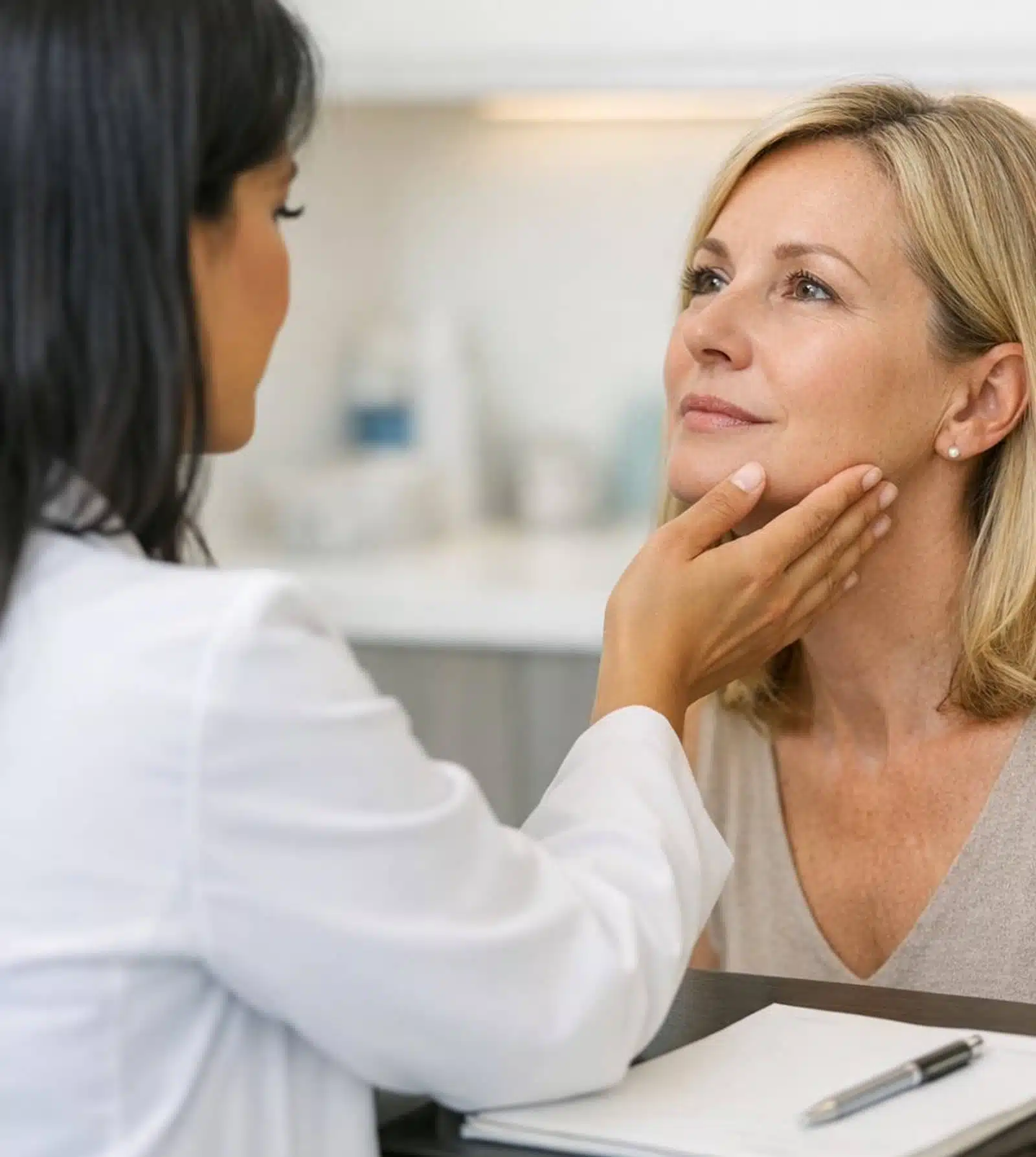
Schedule Your Clinical Consultation in Orlando Today
Sun damage, vascular redness, and dullness do not have to define your skin’s narrative. By harnessing the proven biophysics of advanced broadband light and pairing it with clinical expertise, facial photo rejuvenation at Wymore Laser offers a clear, effective pathway to vibrant, healthy skin.
Take control of your skin's health today. Contact Wymore Laser to schedule your comprehensive diagnostic consultation with our expert aesthetic team, and discover how bespoke clinical rejuvenation can transform your complexion.