Scar Treatment Orlando: Advanced Solutions for Smoother, More Refined Skin
Scars can serve as lasting reminders of acne, injuries, surgical procedures, and other skin conditions. Although scars are a natural part of the healing process, their appearance can affect skin texture, complexion, and self-confidence. Fortunately, modern aesthetic treatments offer several options for improving the appearance of scars and achieving smoother, more even-looking skin. For individuals seeking Scar Treatment Orlando, Wymore Laser provides an opportunity to explore professional aesthetic solutions tailored to individual skin concerns. Through personalized treatment planning and an emphasis on skin rejuvenation, patients can learn which approaches may help minimize the visibility of selected scars and improve overall skin quality.
Not all scars are alike. Some appear as deep indentations, while others create raised tissue, uneven pigmentation, or irregular skin texture. Factors such as scar type, depth, age, skin tone, and healing history all influence which treatments may be appropriate. Whether you are concerned about persistent acne scars, surgical marks, or textural irregularities, understanding your options is the first step toward making informed decisions about your skin. A professional consultation can help identify your primary concerns, establish realistic expectations, and determine an appropriate treatment strategy.
Understanding the Different Types of Scars
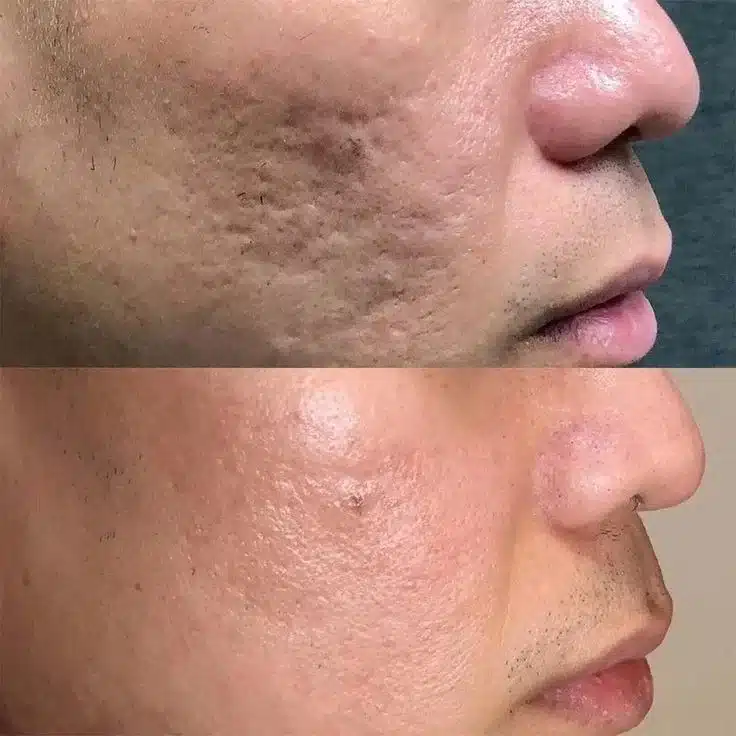
Effective scar management begins with identifying the type of scar being treated. Scars form when the skin repairs damaged tissue, and variations in collagen production and wound healing can produce different appearances.
Acne Scars
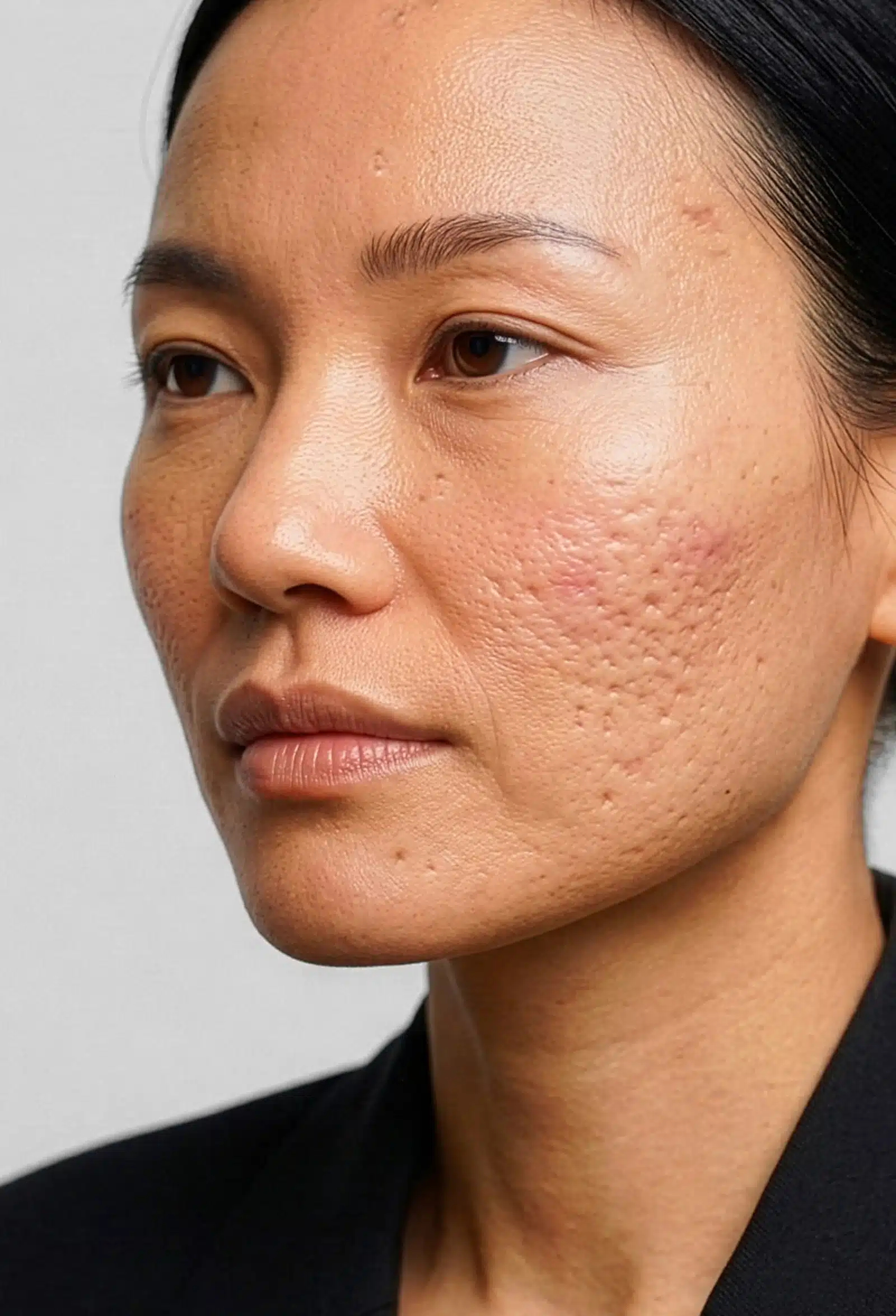
Acne scars develop when inflammation associated with acne damages the skin’s deeper structures. They may appear as depressions, raised areas, or uneven marks that remain after breakouts have healed.
Each type may require a different approach. For example, treatments that stimulate collagen remodeling may help improve selected depressed scars, while discoloration may respond better to carefully selected pigment-focused treatments.
Common types of acne scars include:
- 1Ice pick scars
Narrow, deep indentations that extend into the skin.
- 2Boxcar scars
Broad depressions with sharply defined edges.
- 3Rolling scars
Shallow, sloping depressions that create an uneven or wave-like appearance.
- 4Hypertrophic acne scars
Raised areas caused by excess scar tissue.
- 5Post-inflammatory hyperpigmentation
Flat dark marks that develop after inflammation and are not true textural scars.
Surgical Scars
Surgical scars develop as incisions heal following medical procedures. Their appearance depends on factors such as incision depth, location, wound tension, genetics, and individual healing patterns.
Some surgical scars gradually become flatter and less noticeable, while others remain red, thick, discolored, or uneven. Treatment may focus on improving pigmentation, texture, or scar thickness, depending on the characteristics of the affected area.
Injury and Trauma Scars
Cuts, burns, accidents, and other injuries can leave visible marks even after the surrounding skin has healed. Depending on the original injury, these scars may be flat, depressed, raised, or irregularly pigmented.
Professional evaluation helps determine whether a scar may benefit from laser-based procedures, resurfacing, specialized medical treatment, or a combination of approaches.
Hypertrophic Scars and Keloids
Hypertrophic scars develop when excess scar tissue forms within the boundaries of the original wound. Keloids extend beyond those boundaries and may continue to grow over time.
These scars require particular attention because conventional resurfacing treatments may not be appropriate for every patient. Depending on the diagnosis, treatment may involve specialized injections, silicone-based products, or other medical interventions.
How Scar Treatment in Orlando Can Improve Skin Appearance
Professional scar treatment focuses on improving specific characteristics of the skin rather than simply removing visible marks. Depending on the procedure, treatment may encourage collagen remodeling, refine surface texture, reduce certain forms of discoloration, or improve the appearance of raised tissue. The most appropriate approach depends on the scar’s underlying structure and the patient's individual needs.
Potential treatment goals include:
- Improving the appearance of selected acne scars.
- Smoothing uneven skin texture.
- Reducing the visibility of certain superficial marks.
- Addressing selected forms of post-inflammatory discoloration.
- Improving the overall appearance of specific surgical or injury scars.
Results vary according to the treatment method, scar severity, skin characteristics, and healing response. Some concerns may improve with a limited number of sessions, while deeper scars often require a longer treatment plan. It is also important to understand that scar treatments generally aim to reduce visibility rather than eliminate scars completely. A realistic treatment plan focuses on meaningful improvement while prioritizing skin health and safety.
Laser Skin Resurfacing for
Scar Treatment
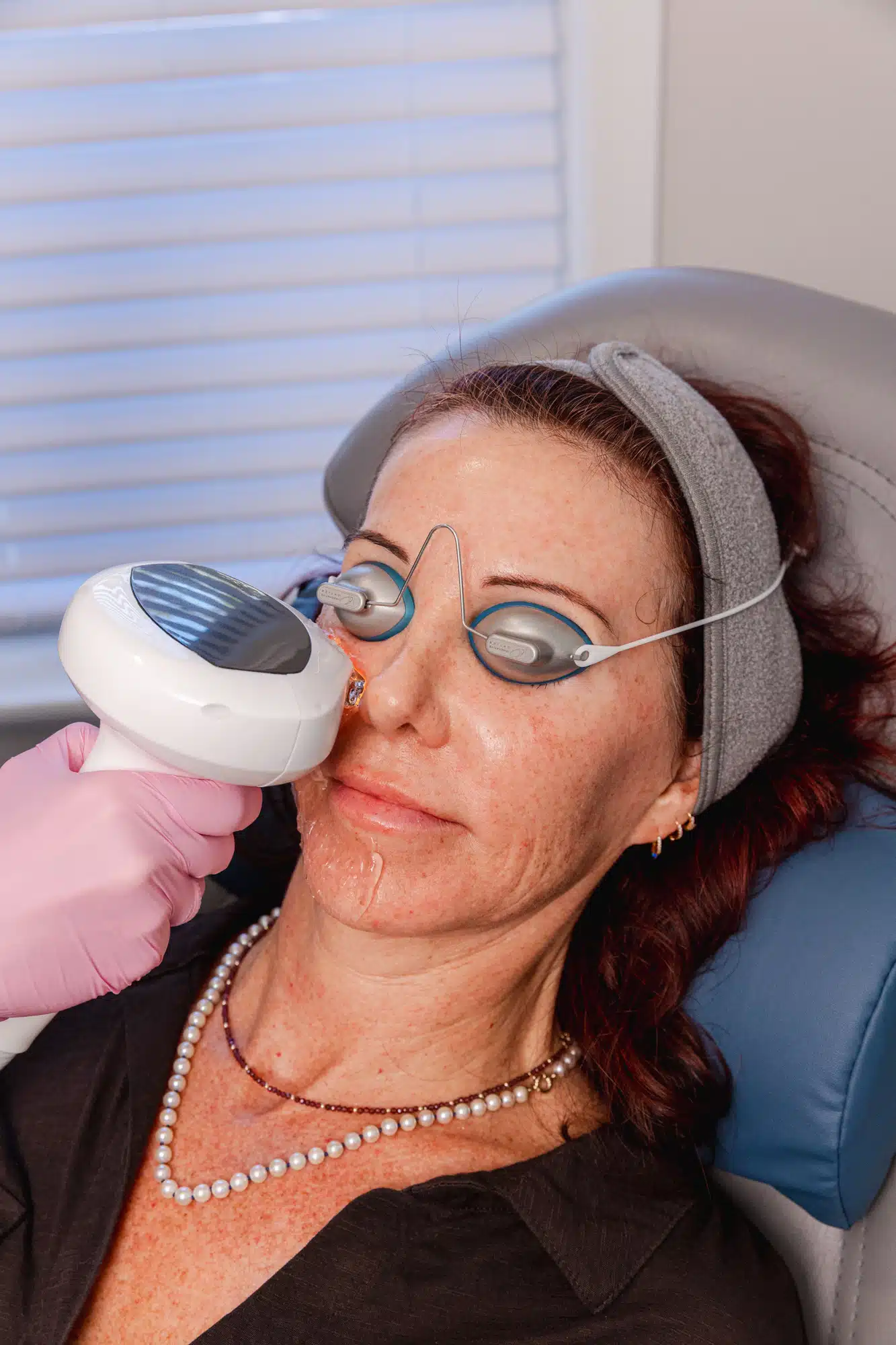
Laser skin resurfacing is an established aesthetic approach for improving selected skin-texture concerns and certain types of acne scarring. Depending on the technology used, a laser may remove damaged surface layers, stimulate collagen remodeling, or target specific pigment-related concerns. For individuals exploring Scar Treatment Orlando, laser resurfacing may be worth discussing when uneven texture or selected atrophic acne scars are the primary concern.
How Laser Skin Resurfacing Works
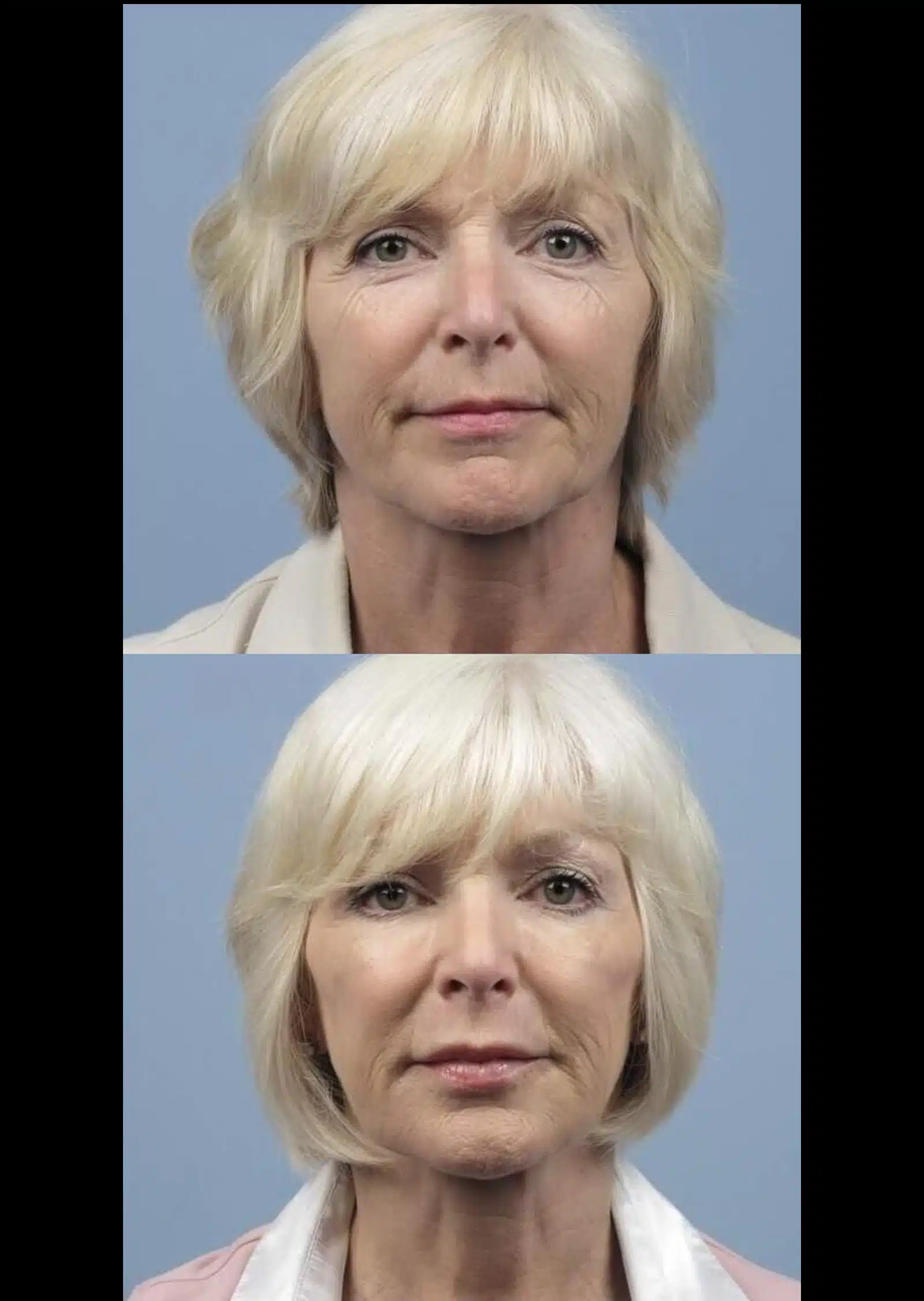
Different laser technologies interact with the skin in different ways. Ablative lasers remove controlled amounts of skin tissue, while non-ablative approaches stimulate changes in deeper tissue without removing the entire surface layer. Fractional laser technologies treat microscopic areas while leaving surrounding tissue relatively intact, supporting the skin’s natural healing response. As new collagen develops and existing collagen remodels, certain scars may become less noticeable.
Potential benefits, depending on the device and treatment plan, include:
- Improved appearance of selected acne scars.
- Smoother-looking skin texture.
- Reduction in certain superficial irregularities.
- A more refined and even-looking complexion.
The appropriate technology depends on the patient's skin tone, scar characteristics, medical history, and tolerance for downtime.
Who May Benefit From Laser Scar Treatment?
Laser resurfacing may be considered for people with selected acne scars, textural irregularities, and certain other stable scars. However, it is not equally effective for every scar type. Deep ice pick scars, scars tethered beneath the skin, and prominent keloids may require different or additional treatments. Individuals prone to hyperpigmentation also need careful assessment because some laser procedures can cause unwanted pigment changes.
During a consultation, patients should discuss previous cosmetic procedures, current medications, history of abnormal scarring, and any tendency to develop dark marks after inflammation.
Microneedling for Acne Scars and
Uneven Skin Texture
Microneedling is another option for improving selected textural concerns. The procedure uses fine needles to create controlled micro-injuries in the skin, stimulating the body's natural repair response and encouraging collagen production. As the skin remodels over time, certain depressed acne scars may become less noticeable, and the overall texture may appear smoother.
Key Benefits of Microneedling
Depending on the scar type and individual response, microneedling may help:
- Improve the appearance of selected atrophic acne scars.
- Support natural collagen production.
- Refine uneven skin texture.
- Improve the appearance of certain superficial imperfections.
Microneedling typically requires multiple sessions, with treatments spaced to allow sufficient healing. Results develop gradually rather than immediately.
Temporary redness, sensitivity, and swelling can occur after treatment. Patients with active skin infections, uncontrolled inflammatory acne, certain skin conditions, or a history of problematic scarring may require alternative treatment approaches.
Understanding RF Microneedling
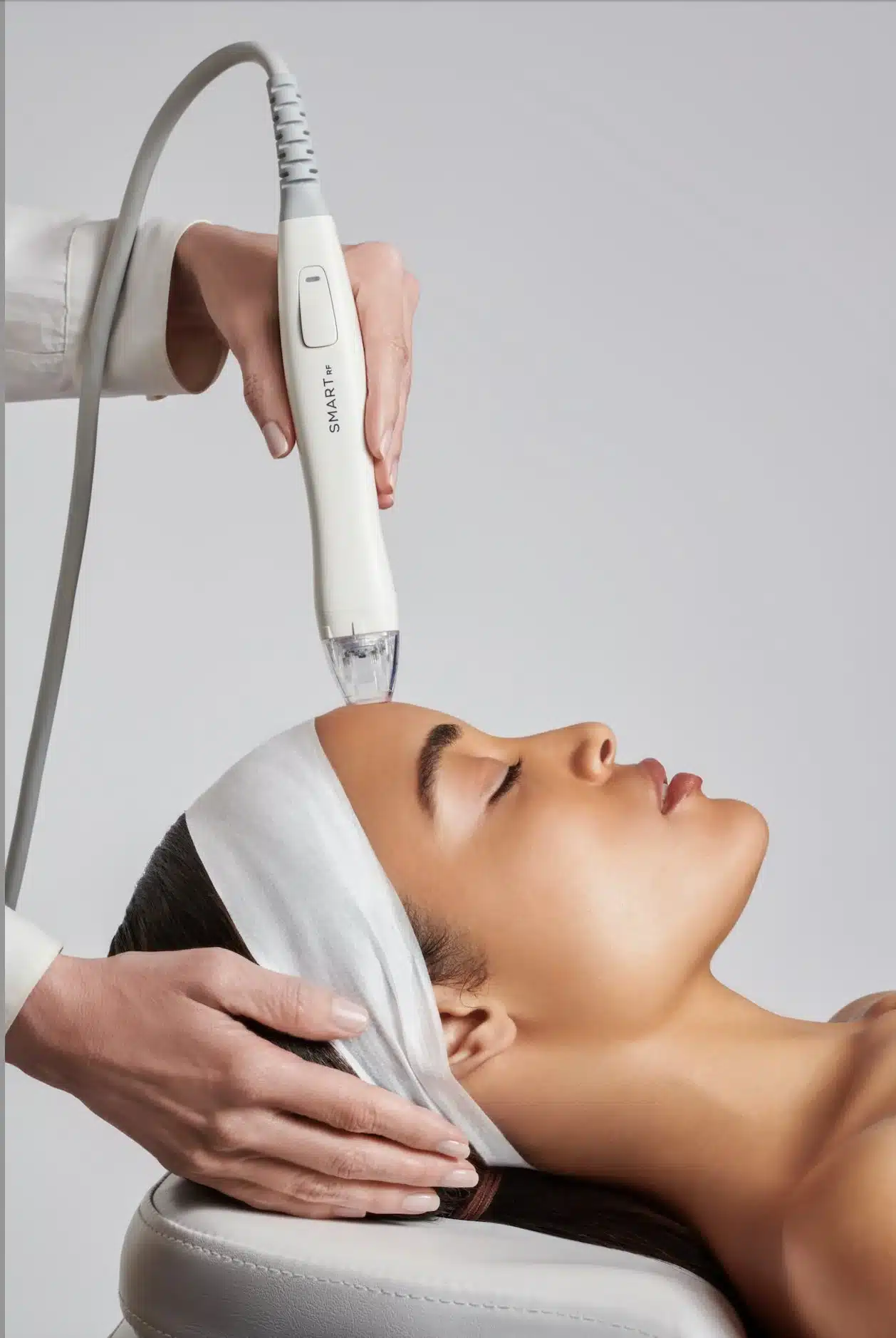
Radiofrequency microneedling combines controlled microneedling with radiofrequency energy delivered into targeted skin layers. This approach is designed to encourage collagen remodeling and may be considered for selected textural concerns, including certain acne scars. Its effectiveness depends on the device, treatment settings, scar characteristics, and individual skin response. Not every patient is an appropriate candidate, and the risks and expected recovery should be reviewed before treatment.
Patients interested in this option should confirm which technology is available at Wymore Laser and discuss whether it is suitable for their particular concerns.
Chemical Peels for Discoloration and Superficial Skin Concerns
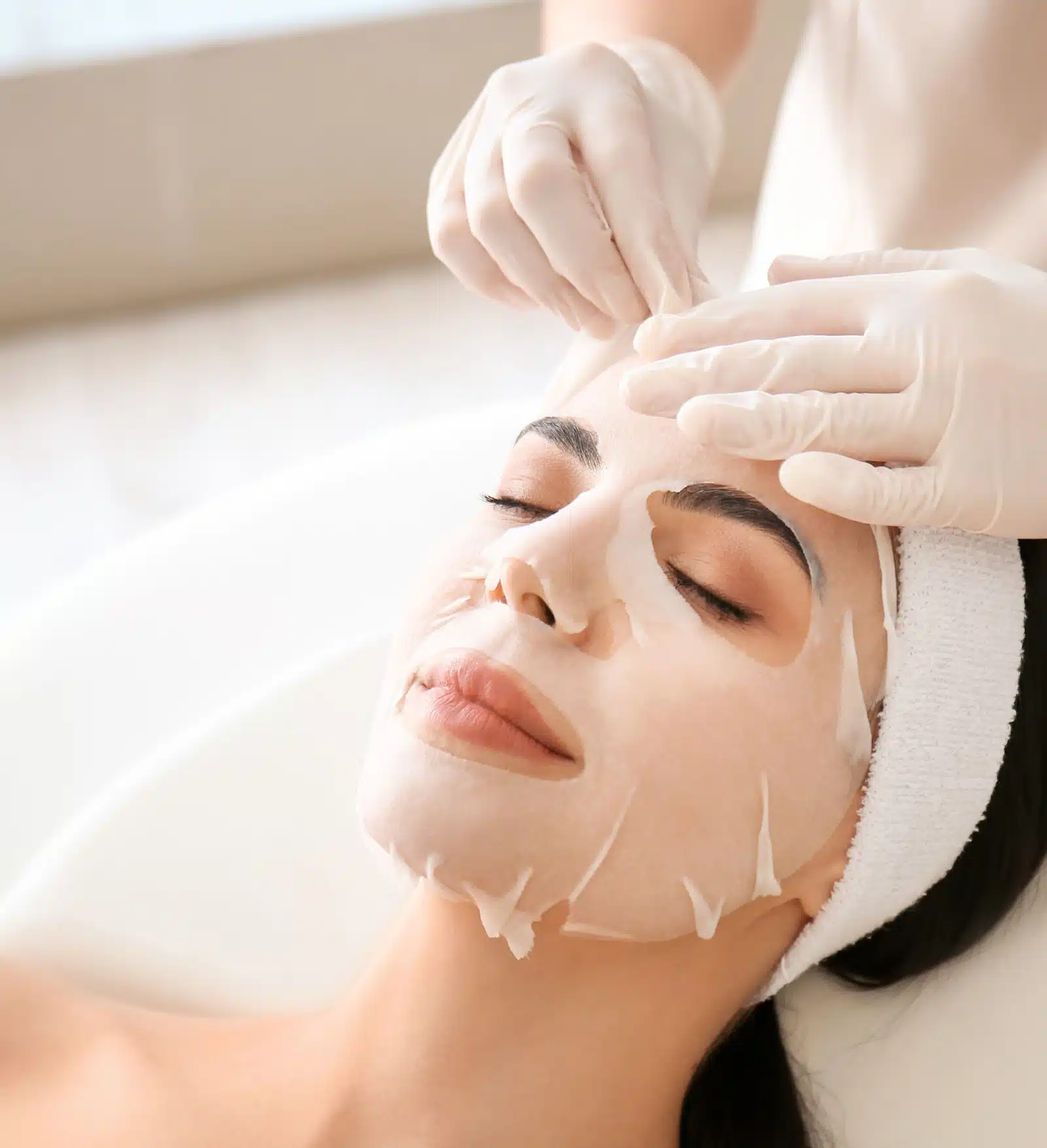
Chemical peels use professionally selected solutions to exfoliate the skin at a controlled depth. Depending on the formulation, they may improve certain forms of discoloration, uneven skin tone, and superficial textural irregularities. Chemical peels are not a universal solution for scar tissue. Superficial treatments may be useful for some pigment-related concerns, but deep depressions and significant textural changes generally require different approaches.
What Can Chemical Peels Address?
When appropriately selected, chemical peels may help improve:
- Certain acne-related dark marks.
- Uneven skin tone.
- Superficial roughness.
- Selected surface-level imperfections.
The choice of peel should account for skin sensitivity, pigmentation history, current acne activity, and previous procedures. More intensive peels carry greater risks, including prolonged irritation, pigment changes, and scarring when performed inappropriately. Following the recommended preparation and aftercare instructions is essential for protecting the skin and supporting recovery.
Combination Treatments for More Comprehensive
Scar Improvement
Some scars involve several concerns simultaneously. A person with acne scarring, for example, may have depressed areas, uneven texture, and residual pigmentation. Treating only one feature may not address the overall appearance of the skin. In selected cases, a staged treatment plan can combine different approaches to address separate concerns. A provider may recommend one procedure to improve texture and another to address discoloration, depending on the patient's needs.
Possible approaches include:
- Laser resurfacing for selected textural irregularities.
- Microneedling to encourage collagen remodeling.
- Chemical peels for appropriate superficial concerns.
- Medical treatments for certain raised scars.
- Targeted skincare products to support skin health and manage pigmentation.
Combination treatments must be carefully planned. Performing procedures too close together or using unsuitable products during recovery can increase irritation and complications. A qualified professional should determine the appropriate sequence, treatment intensity, and recovery intervals rather than applying multiple procedures indiscriminately.
Why Consider Wymore Laser for Scar
Treatment in Orlando?
Selecting a provider for scar treatment involves more than choosing a procedure. Appropriate assessment, realistic expectations, clear communication, and suitable aftercare are important components of the treatment experience. Wymore Laser offers an opportunity for patients to explore aesthetic services and discuss their skin-rejuvenation goals. Individuals interested in scar improvement can contact the practice to learn about available procedures and determine whether its services align with their specific needs.
Personalized Treatment Recommendations
Every scar has a different appearance and healing history. An individualized evaluation considers scar depth, texture, location, and age, alongside skin tone, medical history, and previous treatment experiences.
This approach helps identify which concerns are most likely to improve and which procedures may be unsuitable.
A Focus on Skin Texture and Rejuvenation
Scar-related concerns often extend beyond a single visible mark. Uneven texture, discoloration, and depressed areas can contribute to an inconsistent complexion.
A professional consultation can help distinguish between these concerns and establish priorities for treatment. Depending on the assessment, the recommended plan may focus on one primary concern or address several issues over time.
Clear Guidance on Recovery and Results
Understanding recovery requirements is essential before scheduling a procedure. Some treatments involve minimal downtime, while others can cause redness, swelling, peeling, or temporary sensitivity. Patients should receive clear information about the anticipated number of sessions, expected improvement, potential side effects, aftercare, and overall cost.
Contact Wymore Laser directly to verify its currently available scar-treatment services, discuss your goals, and request pricing information before beginning treatment.
What to Expect During a Scar
Treatment Consultation
A consultation provides an opportunity to discuss your concerns, evaluate your skin, and develop an appropriate treatment strategy.
Discuss Your Skin Concerns
Explain what caused the scars, how long they have been present, and which features bother you most. You may be concerned about depressed areas, raised tissue, discoloration, or rough texture.
Share information about previous treatments, current skincare products, medications, and any history of unusual wound healing.
Assess the Scar Type and Skin Condition
The provider evaluates the scar’s depth, shape, texture, location, and surrounding skin. Skin tone, active acne, sensitivity, and a history of keloids may also influence the recommendations.
Some scars require medical assessment before aesthetic treatment is appropriate.
Review Suitable Treatment Options
Once the primary concerns have been identified, the provider can explain the potential benefits and limitations of appropriate treatments.
Ask about expected results, possible side effects, recovery time, the number of sessions required, and alternatives. Understanding these details helps you make a more informed decision.
Establish a Treatment Plan
The treatment plan may involve a single procedure or a series of sessions spaced over several weeks or months.
Before proceeding, make sure you understand the preparation requirements, aftercare instructions, follow-up schedule, and expected timeline for evaluating results.
How Many Scar Treatment Sessions
Are Necessary?
The number of sessions depends on the severity of the scarring, the treatment method, and the skin’s response. Some superficial concerns may improve after a limited number of sessions, whereas deeper acne scars often require several treatments. Procedures that stimulate collagen remodeling usually produce gradual improvements over weeks or months.
Your provider can recommend a realistic schedule after evaluating your skin. Follow-up assessments and photographs taken under consistent lighting can help document changes throughout the treatment process. It is important to remember that improvement does not necessarily mean complete scar removal. The goal is to achieve a noticeable, appropriate improvement while maintaining healthy skin.
Recovery and Aftercare Following Scar Treatment
Proper aftercare is essential for protecting the skin and supporting healing. Instructions vary depending on the procedure, treatment intensity, and individual skin characteristics.
Important aftercare considerations include:
- Follow your provider's instructions: Use the recommended cleanser, moisturizer, and recovery products.
- Protect treated skin from sunlight: Use broad-spectrum SPF 30 or higher when appropriate and limit direct sun exposure during healing.
- Avoid picking or scratching: Allow peeling or flaking skin to heal naturally to reduce irritation and additional marks.
- Temporarily avoid irritating ingredients: Resume retinoids, exfoliating acids, and other active products only when your provider advises.
- Avoid unapproved at-home procedures: Do not combine professional treatments with home microneedling or strong chemical peels without medical guidance.
- Monitor your recovery: Contact your provider if you experience worsening pain, blistering, unusual swelling, signs of infection, or unexpected changes in pigmentation.
Recovery times vary. Follow professional guidance regarding makeup, exercise, bathing, and the return to your usual skincare routine.
Maintaining Your Scar Treatment Results
Professional treatments can improve the appearance of existing scars, but ongoing skincare and prevention remain important for maintaining results and reducing the likelihood of additional scarring.
Prioritize Daily Sun Protection
Sun exposure can darken post-inflammatory marks and contribute to uneven pigmentation after certain procedures. Regular sunscreen use, protective clothing, and sensible sun-exposure habits help protect treated skin.
Manage Acne Before New Scars Develop
If acne is responsible for your scarring, controlling active breakouts can help prevent additional damage. A dermatologist can recommend an appropriate treatment plan based on acne severity and skin sensitivity.
Maintain a Consistent Skincare Routine
Gentle cleansing, appropriate moisturizing, and carefully selected skincare ingredients support the skin barrier. Avoid introducing multiple irritating products at once, particularly during recovery.
Attend Recommended Follow-Up Visits
Follow-up appointments allow your provider to assess healing, monitor improvement, and determine whether additional treatment is appropriate. Giving your skin enough time to recover between procedures is essential.
Who Is a Suitable Candidate for Scar Treatment?
Many adults with established acne scars, selected injury scars, and uneven skin texture may benefit from professional evaluation. However, eligibility depends on the procedure being considered and the individual's health and skin condition. You may be a potential candidate if you:
- Want to improve the appearance of established scars.
- Understand that results vary and complete scar removal cannot be guaranteed.
- Can follow preparation and aftercare instructions.
- Are willing to allow sufficient recovery time between sessions.
Treatment may need to be postponed or modified if you have active skin infections, uncontrolled inflammatory acne, recent tanning, certain medical conditions, or a history of abnormal wound healing. Medications and pregnancy may also affect eligibility for specific procedures.
People who develop keloids or unusually thick scars should discuss their history with a qualified medical professional before undergoing resurfacing or microneedling.
Frequently Asked Questions About Scar Treatment Orlando
What is the most effective scar treatment in Orlando?
The most appropriate treatment depends on the type, depth, and severity of the scar. Laser resurfacing, microneedling, chemical peels, and specialized medical therapies may be suitable for different concerns. A professional assessment helps determine the best approach for your skin.
Can laser treatment completely remove acne scars?
Laser treatment can improve the appearance of certain acne scars by addressing uneven texture and encouraging collagen remodeling. However, complete removal is not guaranteed. Results depend on the scar type, treatment technology, and individual healing response.
How long does scar treatment take to produce results?
The timeline varies by procedure. Some improvements may become visible as the skin heals, while collagen remodeling often takes several weeks or months. Multiple sessions may be necessary to achieve the desired improvement.
Is scar treatment painful?
Discomfort depends on the procedure and its intensity. Some treatments cause mild stinging or temporary sensitivity, while more intensive procedures may require topical anesthetic or other pain-management measures.
How many sessions are needed for acne scar treatment?
Many acne scar treatments require multiple sessions. The number depends on scar depth, severity, the procedure selected, and how your skin responds. Your provider can recommend an individualized schedule following an assessment.
Can scar treatments improve dark acne marks?
Yes, certain treatments may help improve post-inflammatory hyperpigmentation. However, dark marks are different from depressed or raised scars and may require a different approach. Treatment should be selected carefully to avoid worsening pigmentation.
Is there downtime after scar treatment?
Recovery varies according to the procedure. Some treatments cause temporary redness and sensitivity, while more intensive resurfacing may involve peeling, swelling, and several days or longer of recovery. Ask your provider about downtime before scheduling.
Can old scars still be treated?
Many mature scars can still be evaluated for treatment. Their age does not automatically make them untreatable, although established scars may respond differently from newer ones. Treatment suitability depends on scar structure and skin condition.
Is scar treatment suitable for darker skin tones?
Some scar treatments can be appropriate for darker skin tones, but the risk of post-inflammatory hyperpigmentation must be considered. A qualified provider should select suitable technology, settings, and aftercare based on your skin characteristics.
How much does scar treatment cost in Orlando?
Pricing depends on the procedure, the number and size of treatment areas, scar severity, and the number of sessions needed. Contact Wymore Laser for current pricing and request an estimate covering the recommended treatment plan.
Begin Your Journey Toward
Smoother-Looking Skin
Scars may be permanent, but their visibility can sometimes be reduced with an appropriate treatment strategy. Advances in aesthetic technology have created options for improving selected acne scars, uneven skin texture, and certain other scar-related concerns. If you are searching for Scar Treatment Orlando, Wymore Laser is a place to explore aesthetic treatment options and discuss your skin-rejuvenation goals. Contact the practice to confirm available services, arrange a consultation, and learn which treatments may be appropriate for your needs.
A successful treatment journey begins with an accurate assessment, realistic expectations, and a plan tailored to your skin. With professional guidance, appropriate aftercare, and consistent skin protection, you can take informed steps toward a smoother, more refined-looking complexion.