Sun Damage & Redness Orlando
Home » Sun Damage & Redness Orlando
Sun Damage & Redness Orlando: Reclaim Your Skin’s Radiant Clarity
Living in Orlando means embracing a lifestyle filled with year-round sunshine, vibrant outdoor adventures, and endless bright blue skies. Whether you spend your weekends exploring local theme parks, relaxing by the pool, playing a round of golf, or simply enjoying a walk through our scenic neighborhoods, the Central Florida sun is an inescapable part of daily life. It is one of the many reasons we love calling this region home.
However, that constant exposure to the sun comes with a hidden cost. Over time, ultraviolet (UV) radiation breaks down foundational collagen, damages skin cells, and triggers chronic inflammatory responses beneath the surface. For many Orlando residents, this damage manifests as stubborn sunspots, freckles, uneven pigmentation, broken capillaries, and persistent redness that no amount of foundation, color-correcting primer, or heavy moisturizer seems able to conceal.
At Wymore Laser, we understand how frustrating it is to feel like your skin is aging faster than you are. We specialize in advanced, medical-grade skin rejuvenation designed specifically to reverse the cumulative effects of Florida’s intense climate. In this comprehensive guide, we will explore why sun damage happens, how it leads to chronic redness and vascular issues, and the cutting-edge treatments available right here in Orlando to restore your skin to a healthy, balanced, and luminous state.
Understanding the Florida Sun: How UV Radiation Harms Your Skin
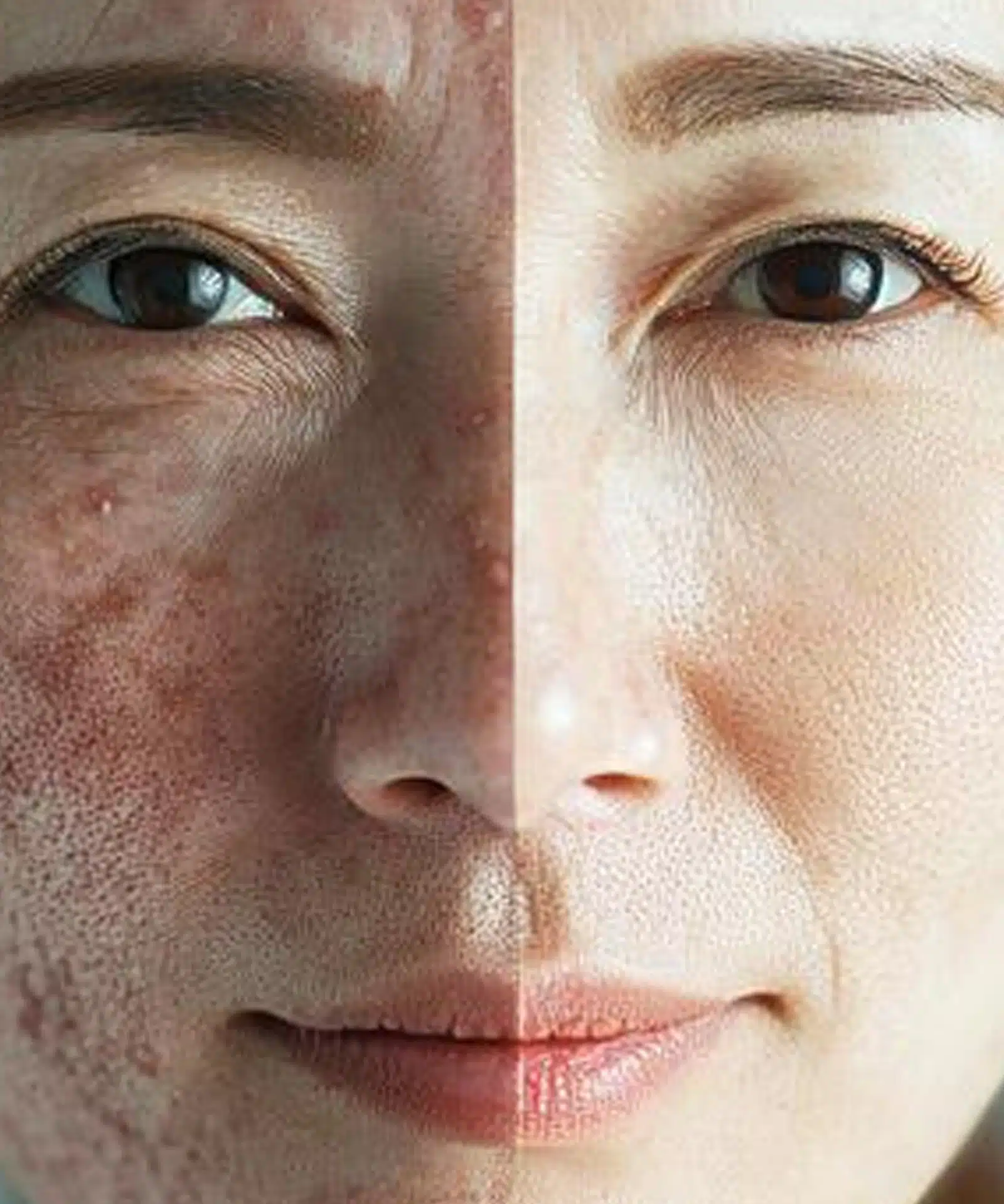
Ultraviolet radiation damages skin through distinct mechanisms involving both UVA and UVB rays. UVA rays penetrate deep into the dermis to break down collagen and elastin, accelerating aging and wrinkle formation, while UVB rays target the outer epidermis to cause sunburns and elevate skin cancer risk. When exposed repeatedly, melanocytes go into overdrive to overproduce melanin, creating uneven hyperpigmentation like sunspots and age spots. Concurrently, chronic sun exposure weakens and ruptures surface capillaries, causing permanent vascular damage that manifests as persistent facial redness and broken blood vessels.
Recognizing the Signs of Sun Damage and Facial Redness
Sun damage rarely appears overnight; instead, it accumulates subtly over years and decades of exposure. You may be experiencing the cumulative effects of Central Florida sun exposure if you notice any of the following symptoms:
- Solar Lentigines (Sunspots & Age Spots): Flat, darkened spots on the face, chest, hands, and shoulders that are distinct from normal freckles because they do not fade during the winter months when sun exposure is lower.
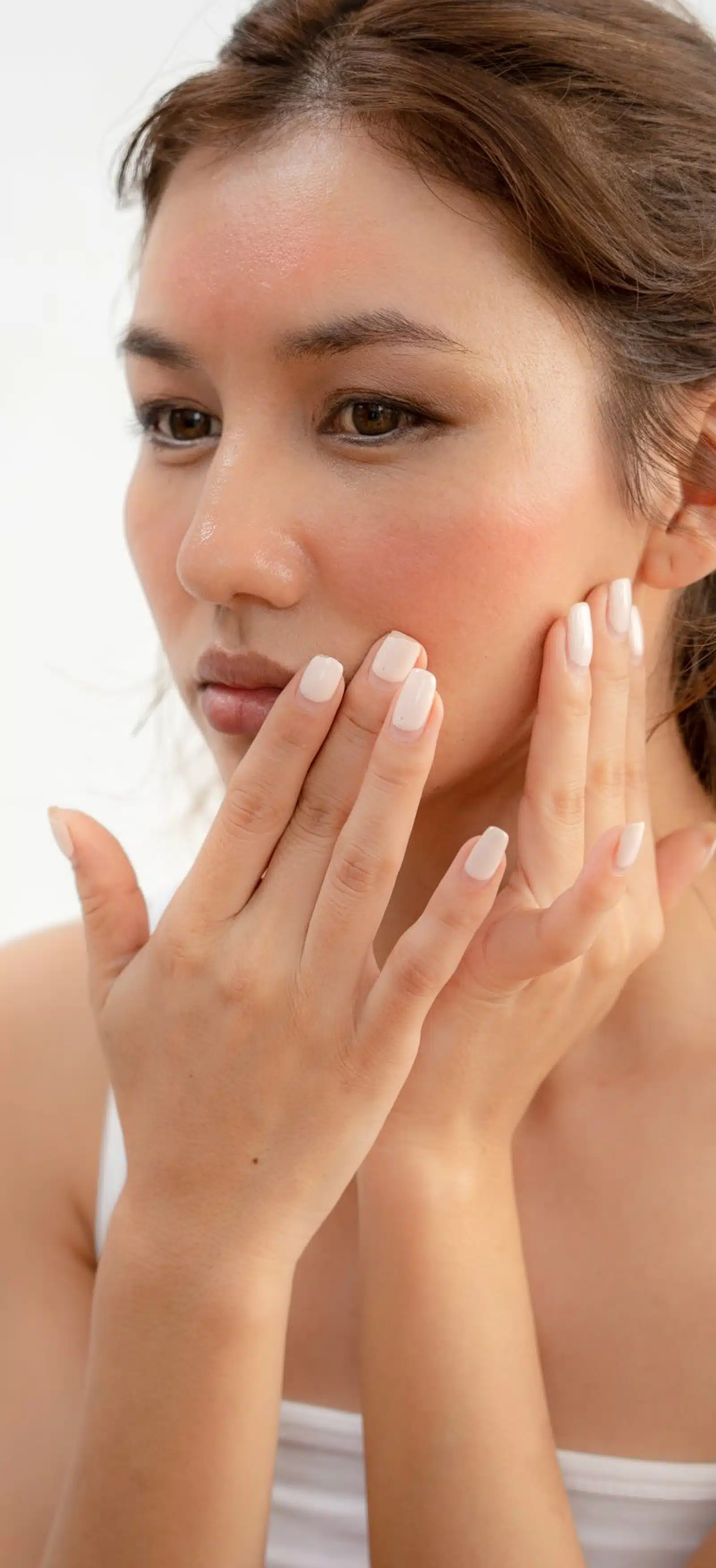
- Persistent Facial Redness (Erythema): A constant flush across the cheeks, nose, or chin that makes the skin look irritated, overheated, or sunburned even when you haven't been outside.
- Broken Capillaries (Telangiectasia): Tiny, web-like red or purple lines visible around the nose and cheeks caused by weakened vessel walls that have lost their elasticity.
- Uneven Skin Texture: Rough, dry patches, thickened areas, or a leathery feel resulting from a disrupted skin barrier and significantly slowed cellular turnover.
- Melasma or General Discoloration: Diffuse patches of brown or grey-brown pigment, often exacerbated by a combination of UV exposure, heat, and hormonal shifts.
- Dullness and Dehydration: A lack of natural radiance caused by a buildup of dead, damaged skin cells on the surface that block light reflection and prevent skincare products from absorbing properly.
Why Over-the-Counter Products Fall Short
When people first notice sun damage and redness, their usual instinct is to head to the local pharmacy or department store in search of brightening serums, anti-redness creams, or chemical exfoliants. While a high-quality daily skincare routine is essential for long-term maintenance, over-the-counter topical products have distinct limitations:
- Surface-Level Treatment Only: Most cosmetics and retail-grade skincare products only treat the outermost layer of the epidermis. They cannot penetrate deep enough into the dermis to dismantle stubborn pigment clusters or permanently collapse damaged, leaking capillaries.
- Slow, Inconsistent Results: Achieving even a minor improvement in pigmentation or redness with over-the-counter creams can take months, and results are often underwhelming or temporary.
- Increased Irritation Risks: Many retail brightening agents contain harsh ingredients or unstable compounds that can further inflame sensitive, redness-prone skin, worsening the very condition you are trying to fix.
To truly reverse sun damage and correct vascular redness, you need advanced, clinical-grade technology that targets the root cause of the problem beneath the skin's surface.
Advanced Treatment Solutions at Wymore Laser
At Wymore Laser, we take a personalized, clinical approach to skin health. We do not believe in a one-size-fits-all model. During your initial consultation, our experienced specialists assess your unique skin type, lifestyle factors, and specific aesthetic goals to design a customized treatment plan.
Here are the gold-standard technologies we utilize to combat sun damage and redness in Orlando:
1. Intense Pulsed Light (IPL) Photofacial
IPL is widely considered the gold standard for treating sunspots, freckles, broken capillaries, and chronic redness. Unlike traditional lasers that use a single, focused wavelength of light, IPL uses a broad spectrum of light pulses that target specific chromophores (targets) in the skin namely melanin (brown spots) and hemoglobin (redness and broken blood vessels).
- How It Works: The light energy is absorbed by the pigmented cells and dilated blood vessels, gently heating them up and destroying them without harming the surrounding healthy tissue. Over the course of a few days post-treatment, sunspots will temporarily darken (micro-crust) and naturally flake off, while redness and visible veins fade away.
- The Results: A clearer, more uniform complexion, significantly reduced flushing, and a vibrant, youthful glow that makes your skin look refreshed and healthy.
2. Medical-Grade Chemical Peels
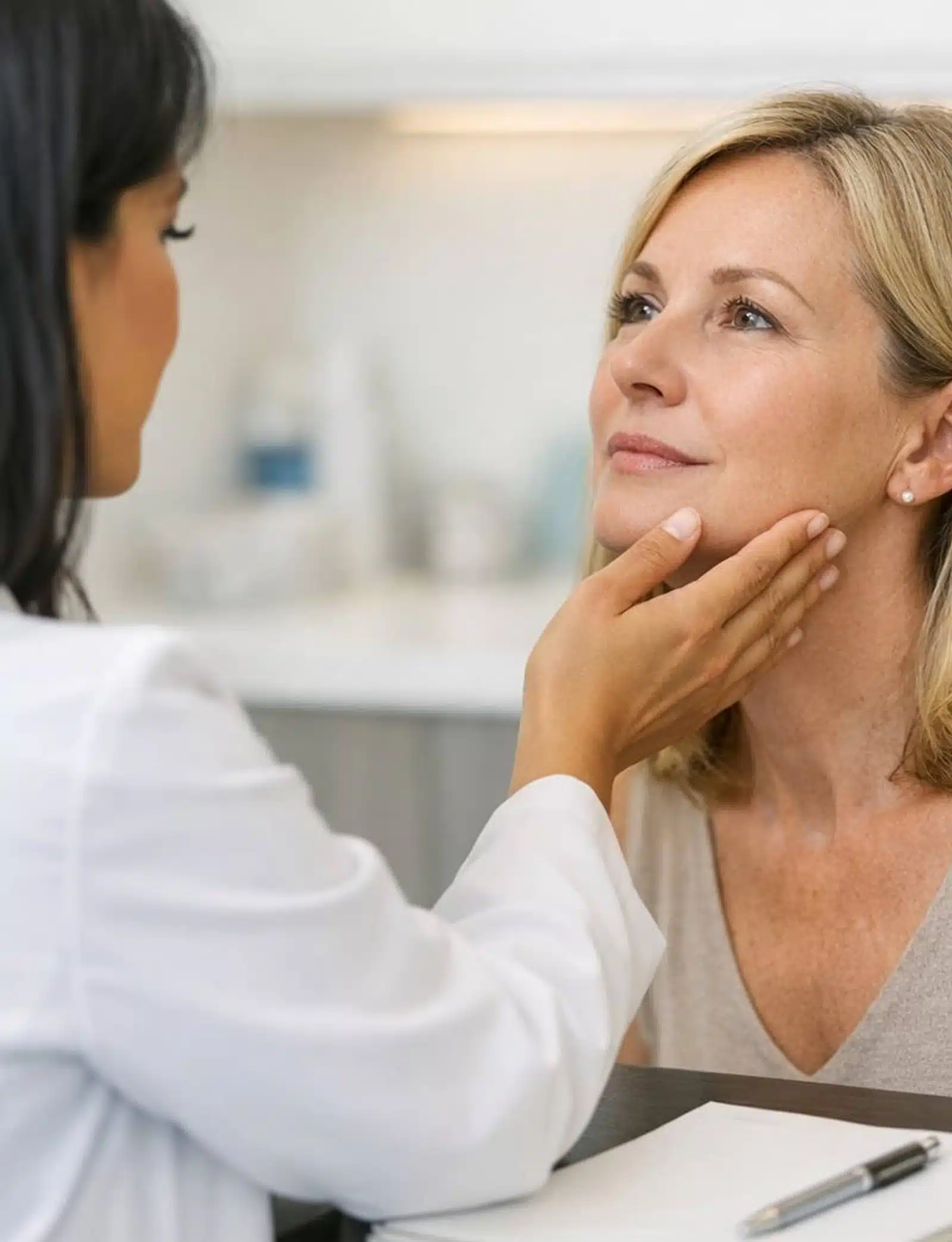
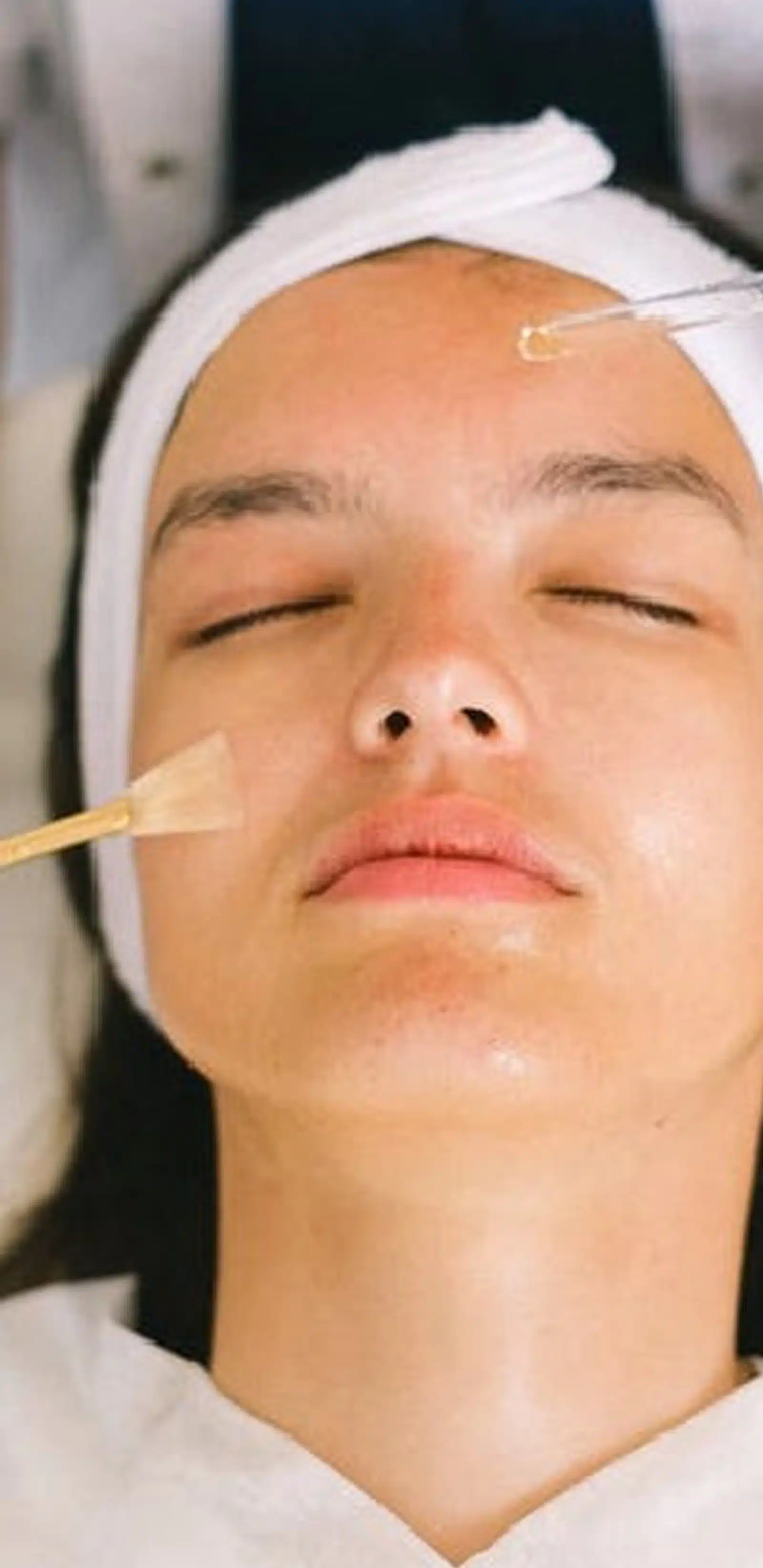
For patients struggling with rough skin texture, dullness, and superficial sun damage alongside redness, customized chemical peels offer a powerful renewal mechanism.
- How It Works: We apply a precisely formulated blend of clinical acids (such as glycolic, lactic, mandelic, or TCA) tailored specifically to your skin’s tolerance and goals. These solutions accelerate cellular turnover, lift away damaged superficial layers of skin, and stimulate fresh collagen production in the lower layers.
- The Results: Smoother texture, minimized pore size, lightened hyperpigmentation, and an overall brighter, more revitalized complexion.
3. Customized Clinical Skincare Regimens
Maintaining your results in the Orlando sun requires proper home care. We partner with elite medical-grade skincare lines to provide you with targeted regimens featuring:
- Broad-Spectrum Sunscreens: Advanced mineral-based formulas that protect against UVA, UVB, and high-energy visible (HEV) light without clogging pores or causing inflammation.
- Antioxidant Serums (Vitamin C): Potent formulas that neutralize free radicals generated by daily UV exposure and environmental pollution.
- Barrier Repair Agents: Specialized ingredients like ceramides, niacinamide, and peptides that strengthen the skin barrier, lock in moisture, and calm persistent irritation.
What to Expect During Your Journey at Wymore Laser
We believe that achieving your best skin should be a comfortable, transparent, and empowering experience. When you visit Wymore Laser for sun damage and redness correction, you can expect:
- In-Depth Consultation: We begin with a thorough evaluation of your skin health. We listen to your concerns, review your daily sun exposure habits, and outline a realistic, step-by-step treatment roadmap.
- Tailored Treatment Execution: Procedures are performed by trained, skilled professionals utilizing state-of-the-art equipment in a clean, relaxing, and welcoming medical spa environment.
- Clear Aftercare Guidance: Post-treatment care is vital for optimal results. We provide you with precise instructions on how to care for your skin, what products to use, and how to protect your investment against the Florida sun.
- Ongoing Support: We are with you every step of the way, helping you transition from correction to long-term maintenance so your skin remains healthy, clear, and radiant year-round.
Preventing Future Sun Damage: Tips for Orlando Residents
Treating existing sun damage is only half the battle. Because Orlando offers endless sunshine, practicing diligent sun protection is essential to preserving your results. Follow these expert tips to keep your skin safe:
- Wear SPF Daily, Rain or Shine: UV rays easily penetrate clouds and car windows. Apply a broad-spectrum sunscreen with an SPF of 30 or higher every single morning, and reapply every two hours if you are spending time outdoors.
- Opt for Physical Sunscreens: Sunscreens containing zinc oxide and titanium dioxide sit on top of the skin and reflect UV rays like a physical shield, making them far less irritating for redness-prone skin than chemical filters.
- Accessorize Wisely: Invest in wide-brimmed hats, UV-blocking sunglasses, and lightweight, sun-protective clothing when spending extended periods outdoors or visiting theme parks.
- Seek Shade During Peak Hours: UV rays are strongest between 10:00 AM and 4:00 PM. Plan your outdoor activities in the early morning or late afternoon when possible.
- Hydrate Inside and Out: High temperatures, humidity, and indoor air conditioning can dehydrate your skin, compromising its protective barrier. Drink plenty of water and incorporate hydrating hyaluronic acid serums into your daily routine.
Frequently Asked Questions: Troubleshooting
Sun Damage & Redness
Why are my sunspots temporarily darker after an IPL photofacial?
When Intense Pulsed Light (IPL) targets excess melanin, it draws the pigment upward toward the epidermis as part of the healing process. This temporary darkening often called "coffee grounds" or micro-crusting is a normal sign that the treatment is working. These spots will naturally flake and fade away within 7 to 14 days, revealing a clearer, more even skin tone underneath.
How many treatment sessions will I need to see visible results?
While some patients notice a brighter complexion after a single session, most skin conditions require a customized series of treatments typically a package of 3 to 4 sessions spaced about 4 weeks apart to achieve optimal clearance for stubborn hyperpigmentation and chronic vascular redness.
Are sun damage and redness treatments painful?
Most patients describe the sensation during an IPL or laser session as a mild, quick snapping feeling, similar to the snap of a rubber band against the skin. Modern devices incorporate advanced contact cooling to maximize comfort, and topical numbing can be applied beforehand for sensitive areas.
Can I get treated for sun damage if I have an active tan from the Orlando sun?
No. Safe and effective laser and light treatments require your skin to be at its baseline, natural untanned skin tone. Having a tan whether from natural sun or self-tanner increases the concentration of melanin in the epidermis, which can cause the light energy to target your skin pigment rather than the sunspots, risking burns or hypopigmentation. We recommend avoiding direct sun exposure and tanning products for at least 4 to 6 weeks before your appointment.
What kind of downtime should I expect after a chemical peel or laser session?
Downtime varies depending on the specific treatment chosen. Superficial chemical peels or gentle light therapies may only cause mild, temporary flushing that resolves within a few hours. More targeted corrective treatments can involve slight swelling, a warm sunburn-like sensation for 24 to 48 hours, or light flaking as dead skin cells shed.
Will my sunspots and redness come back after treatment?
While treatments at Wymore Laser permanently clear existing sunspots and broken capillaries, they cannot stop future UV damage. Because Central Florida's sun is intense year-round, new pigmentation or redness can develop if diligent daily sun protection such as broad-spectrum SPF 30+ and protective hats is not maintained.
How do I know whether I need an IPL Photofacial or a Medical-Grade Chemical Peel?
The best treatment depends on your primary skin concerns. IPL is generally ideal if you are struggling with a combination of brown spots, freckles, and broken capillaries. Chemical peels are often recommended if your main hurdles are rough skin texture, dullness, or superficial discoloration. A comprehensive professional skin evaluation during your consultation ensures you receive the precise modality your skin needs.
Is it safe to treat sun damage if I have chronic rosacea or sensitive skin?
Yes. Specialized treatments like IPL target the hemoglobin in dilated blood vessels safely without harming surrounding tissue, making them highly effective at reducing chronic rosacea-related flushing and persistent facial redness. Your practitioner will carefully calibrate device settings to match your skin’s specific sensitivity threshold.
Can I wear makeup after my skin rejuvenation procedure?
In most cases, patients can resume wearing gentle, non-irritating mineral makeup 24 to 48 hours post-treatment, once any initial micro-crusting or acute sensitivity has subsided. Your specialist will provide exact post-care guidelines tailored to your specific procedure during your visit.
How soon can I go back outside after a treatment?
You should strictly avoid direct, prolonged sun exposure immediately following any skin rejuvenation procedure. Because your skin is in a sensitive healing phase, wearing a physical broad-spectrum sunscreen (SPF 30+), wearing a wide-brimmed hat, and seeking shade are critical steps to protect your skin investment and prevent new pigment formation.
Reclaim Your Confidence at Wymore Laser
Sun damage and chronic redness do not have to be a permanent fixture of your appearance. You do not have to hide behind heavy layers of makeup or shy away from outdoor activities. With the right combination of advanced technology, expert clinical care, and customized treatments, clear, luminous, and even-toned skin is entirely within reach.
If you are ready to reverse the effects of the Florida sun and restore your skin’s natural radiance, we are here to help guide you every step of the way.
Contact Wymore Laser today to schedule your personalized consultation and take the first step toward healthier, glowing skin.