

Keloid Removal Orlando FL
Home » Keloid Removal Orlando FL
Keloid Removal in Orlando, FL: Advanced Scar Treatment Solutions at Wymore Laser
Keloid scars can be persistent, noticeable, and emotionally frustrating for many individuals. Unlike ordinary scars that gradually fade as the skin heals, keloids often grow larger than the original wound and may continue expanding for months or even years. These raised scars can cause discomfort, itching, and self-consciousness, especially when they appear on visible areas of the body. For individuals searching for keloid removal in Orlando, FL, modern aesthetic treatments offer effective solutions to reduce the size, thickness, and discoloration of keloid scars. At Wymore Laser, patients benefit from advanced technology and personalized treatment plans designed to improve skin texture and restore confidence.
Wymore Laser specializes in innovative, minimally invasive procedures that help manage and reduce keloid scars safely and effectively. Through expert care and modern treatment techniques, patients can achieve smoother, healthier-looking skin. This comprehensive guide explores everything you need to know about keloids, including their causes, symptoms, and the advanced treatment options available at Wymore Laser in Orlando.
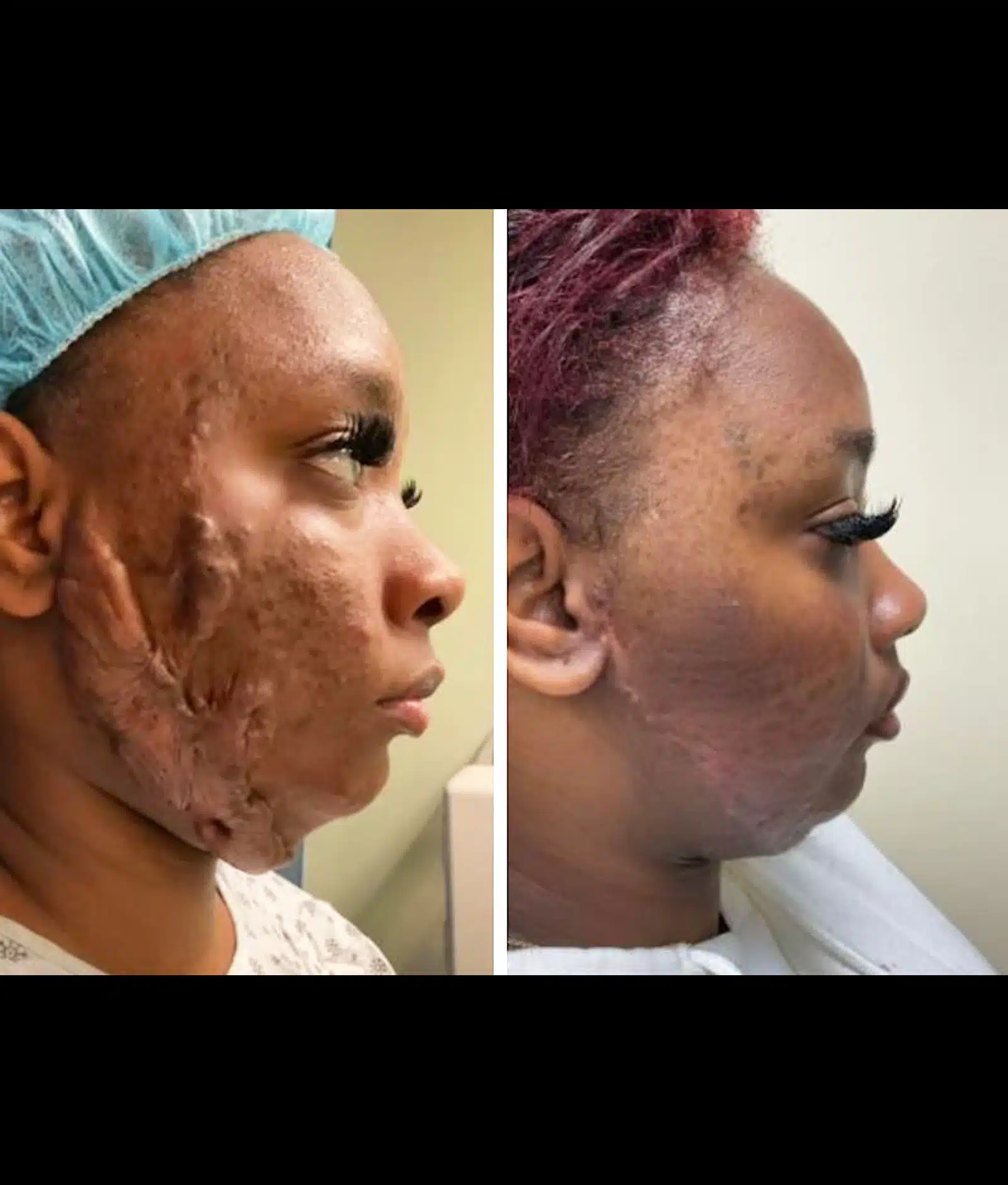
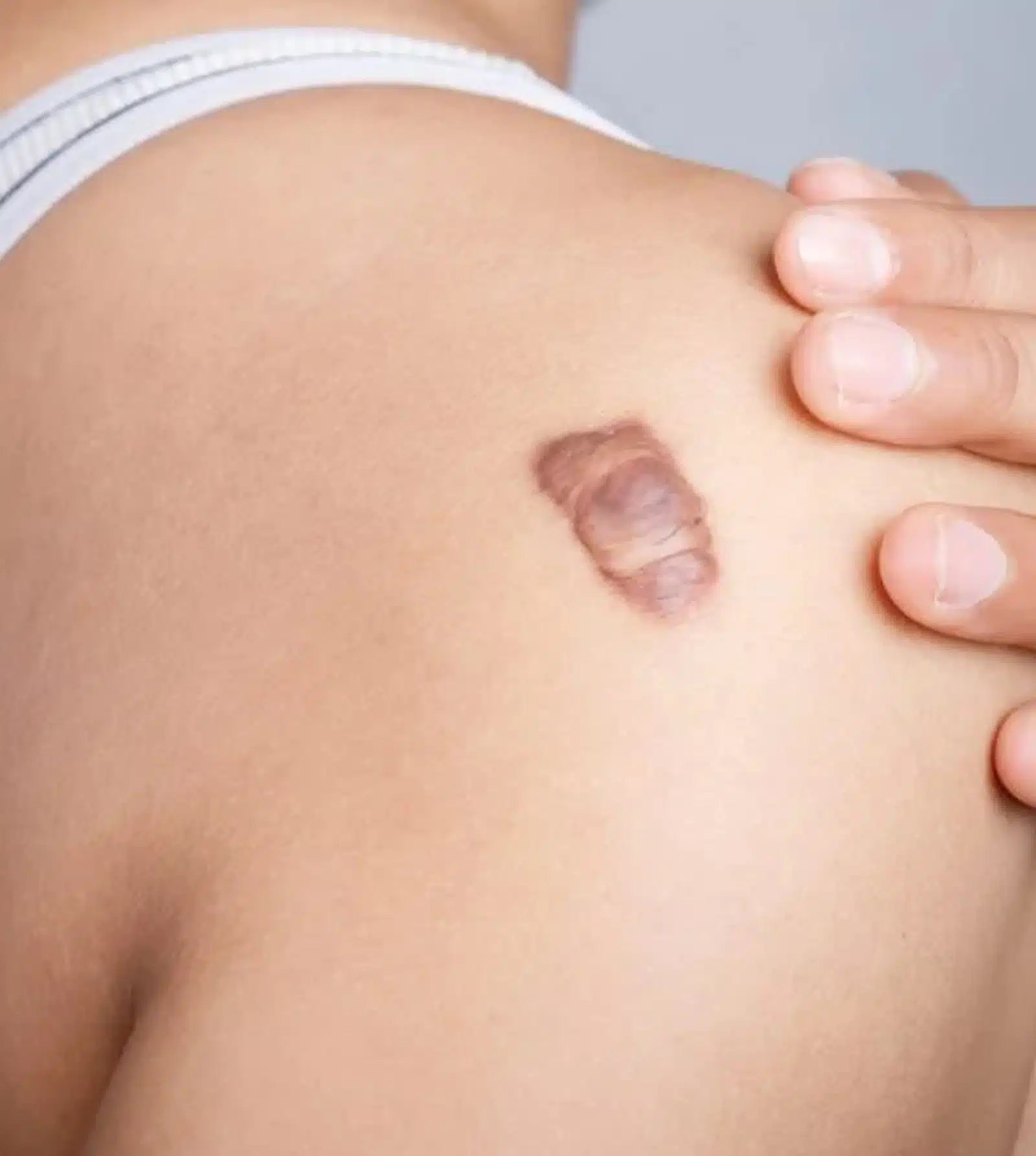
What Are Keloid Scars?
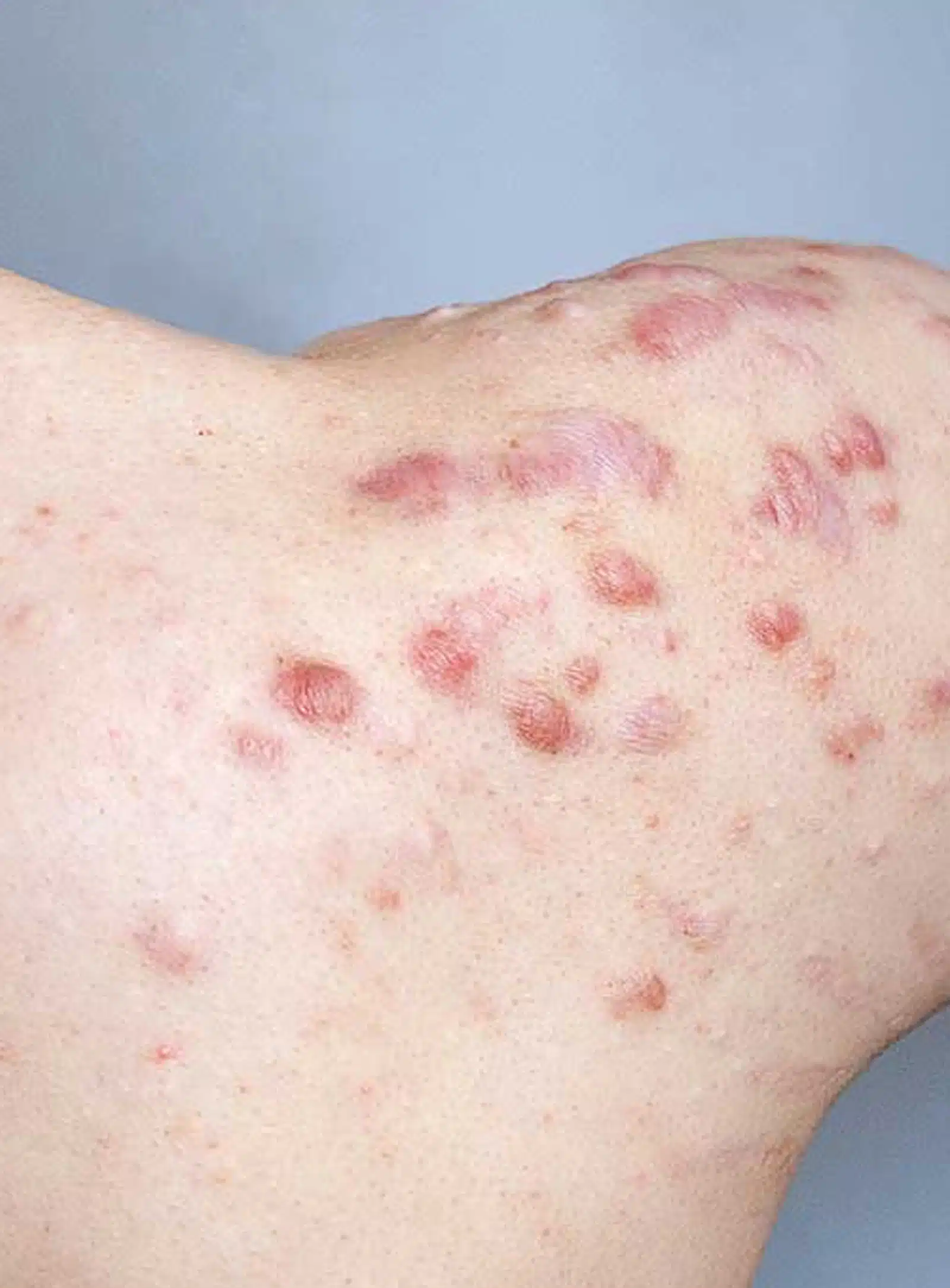
Keloids are a type of abnormal scar that develops when the body produces excessive collagen during the wound-healing process. Collagen is an essential protein that helps repair damaged skin, but when too much collagen is produced, thick scar tissue forms and continues growing beyond the original injury site.
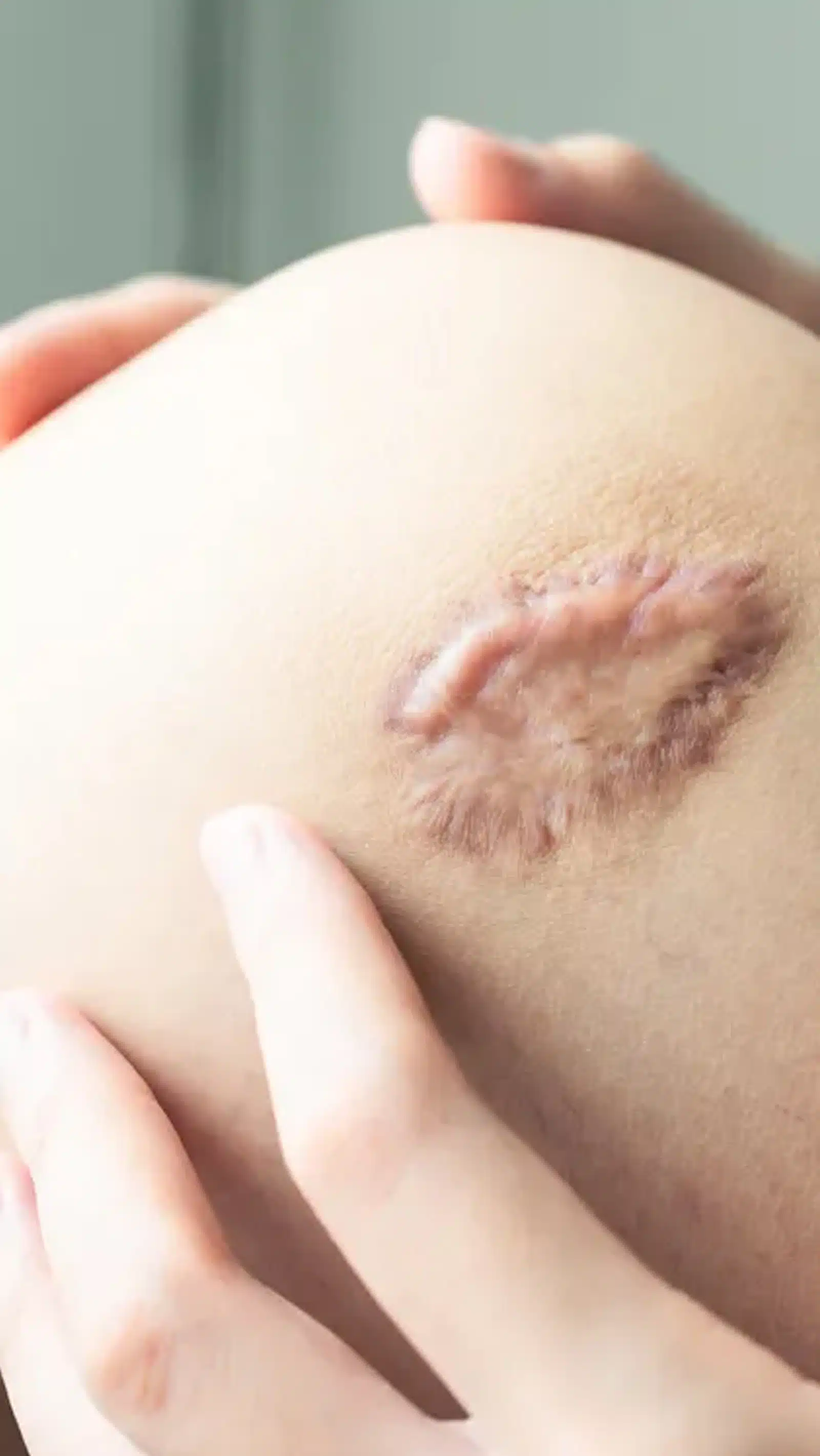
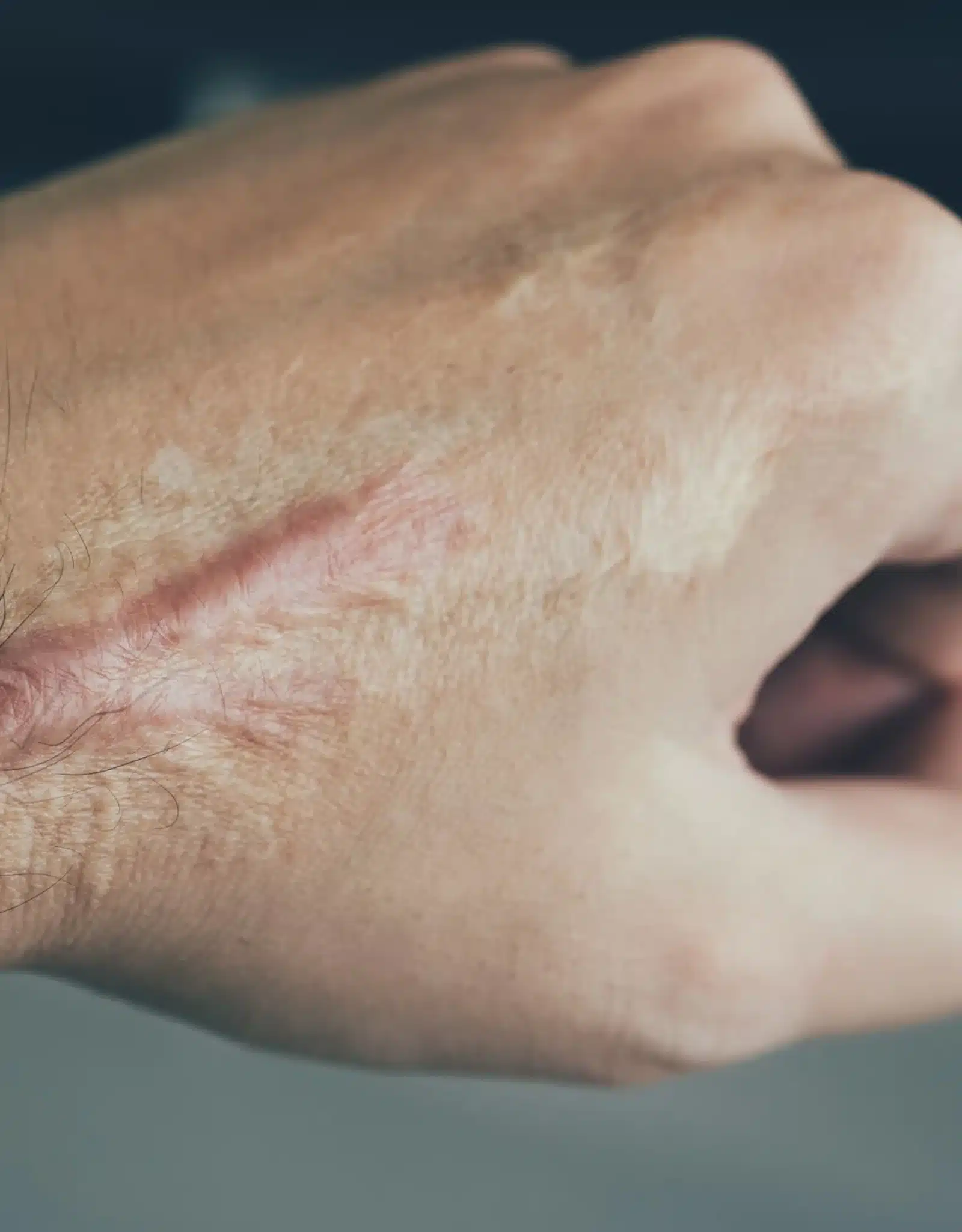
Unlike typical scars, which usually remain within the boundaries of the wound and gradually fade over time, keloids expand outward and may become raised, firm, and highly visible. Keloids often appear as:
- Thick, raised scar tissue
- Smooth or shiny skin patches
- Pink, red, or dark brown discoloration
- Firm or rubbery skin growths
- Scars that extend beyond the original injury area
Although keloids are not dangerous from a medical standpoint, they can cause cosmetic concerns and physical discomfort. For many people, professional treatment becomes the most effective way to manage their appearance.
What Are Keloid Scars?
Keloids are a type of abnormal scar that develops when the body produces excessive collagen during the wound-healing process. Collagen is an essential protein that helps repair damaged skin, but when too much collagen is produced, thick scar tissue forms and continues growing beyond the original injury site.
Unlike typical scars, which usually remain within the boundaries of the wound and gradually fade over time, keloids expand outward and may become raised, firm, and highly visible. Keloids often appear as:
- Thick, raised scar tissue
- Smooth or shiny skin patches
- Pink, red, or dark brown discoloration
- Firm or rubbery skin growths
- Scars that extend beyond the original injury area
Although keloids are not dangerous from a medical standpoint, they can cause cosmetic concerns and physical discomfort. For many people, professional treatment becomes the most effective way to manage their appearance.
How the Body’s Healing Process Leads to Keloids
To understand why keloids develop, it is helpful to examine how the body heals skin injuries.
When the skin is damaged, the body initiates a multi-stage healing process that includes inflammation, tissue formation, and remodeling. During this process, collagen fibers are produced to repair the injured tissue and restore the skin’s structure. However, in some individuals, the body’s healing response becomes overactive.
Instead of stopping collagen production after the wound heals, fibroblast cells continue producing collagen. This excess collagen accumulates in the scar area and forms thick, raised tissue known as a keloid. This abnormal healing response may be influenced by genetics, skin type, and other biological factors. Because the process occurs beneath the skin’s surface, treating keloids often requires specialized medical techniques.
Common Causes of Keloid Formation
Keloids can develop after many types of skin injuries or irritation. Even minor trauma to the skin can trigger abnormal scar growth in individuals who are prone to keloid formation. Some of the most common causes include:
1: Surgical incisions
After surgery, some patients may develop keloids along the incision line as the skin heals.
2: Acne scars
Severe or inflamed acne can lead to raised scar tissue that eventually forms keloids.
3: Burns and cuts
Injuries that damage deeper layers of the skin can sometimes result in excessive scar tissue formation.
4: Body piercings
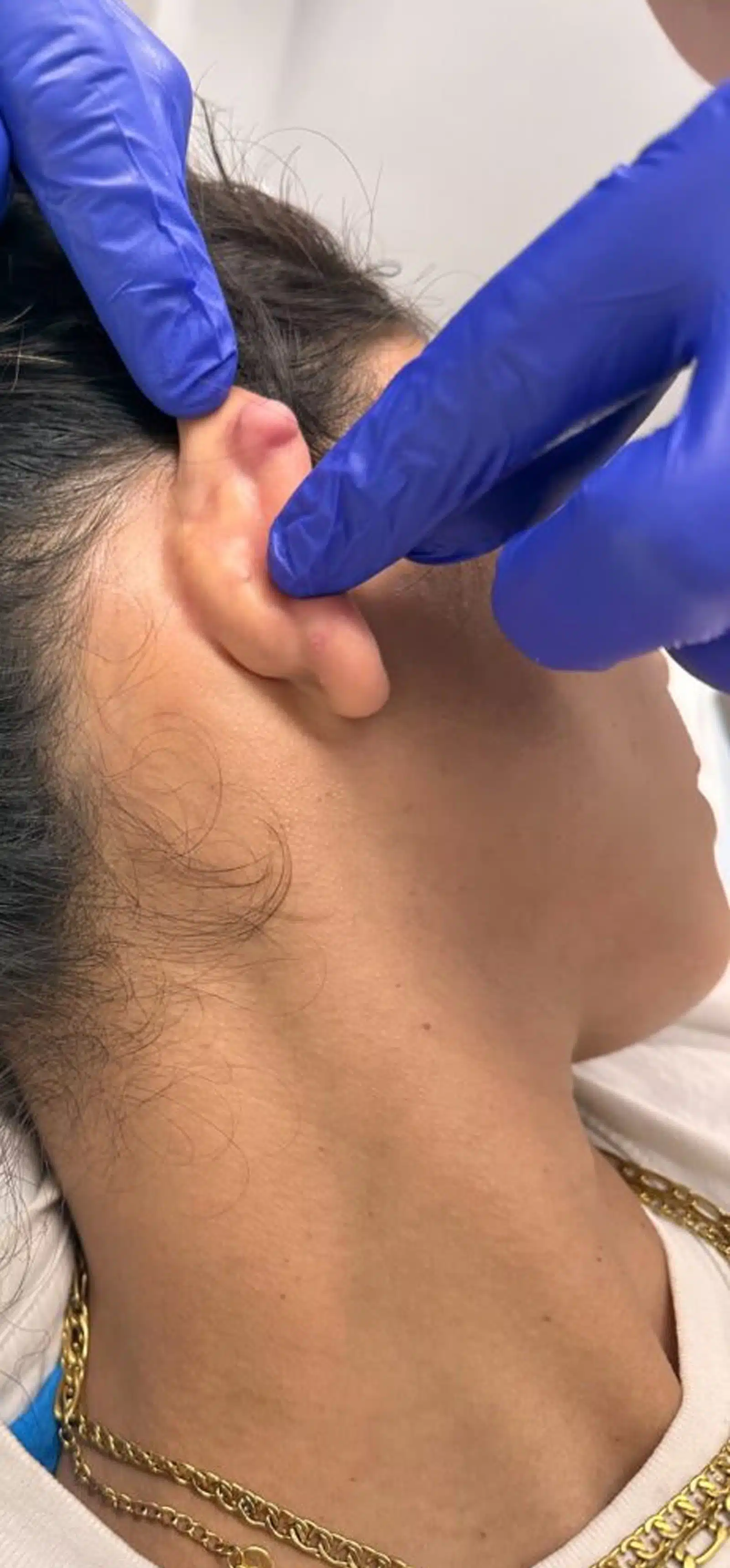
Earlobe piercings are a particularly common cause of keloid development.
5: Tattoos
Although uncommon, tattooing can occasionally trigger keloid formation in sensitive individuals.
6: Vaccination scars
Some people develop keloids at the site of injections or vaccinations.
Understanding the cause of a keloid is important because it helps specialists determine the most effective treatment strategy. It allows medical professionals to identify the triggers behind excessive scar tissue formation and plan targeted treatments accordingly. By addressing the root cause, specialists can reduce the chances of recurrence and improve the overall success of keloid removal procedures.
Risk Factors That Increase the Likelihood of Keloids
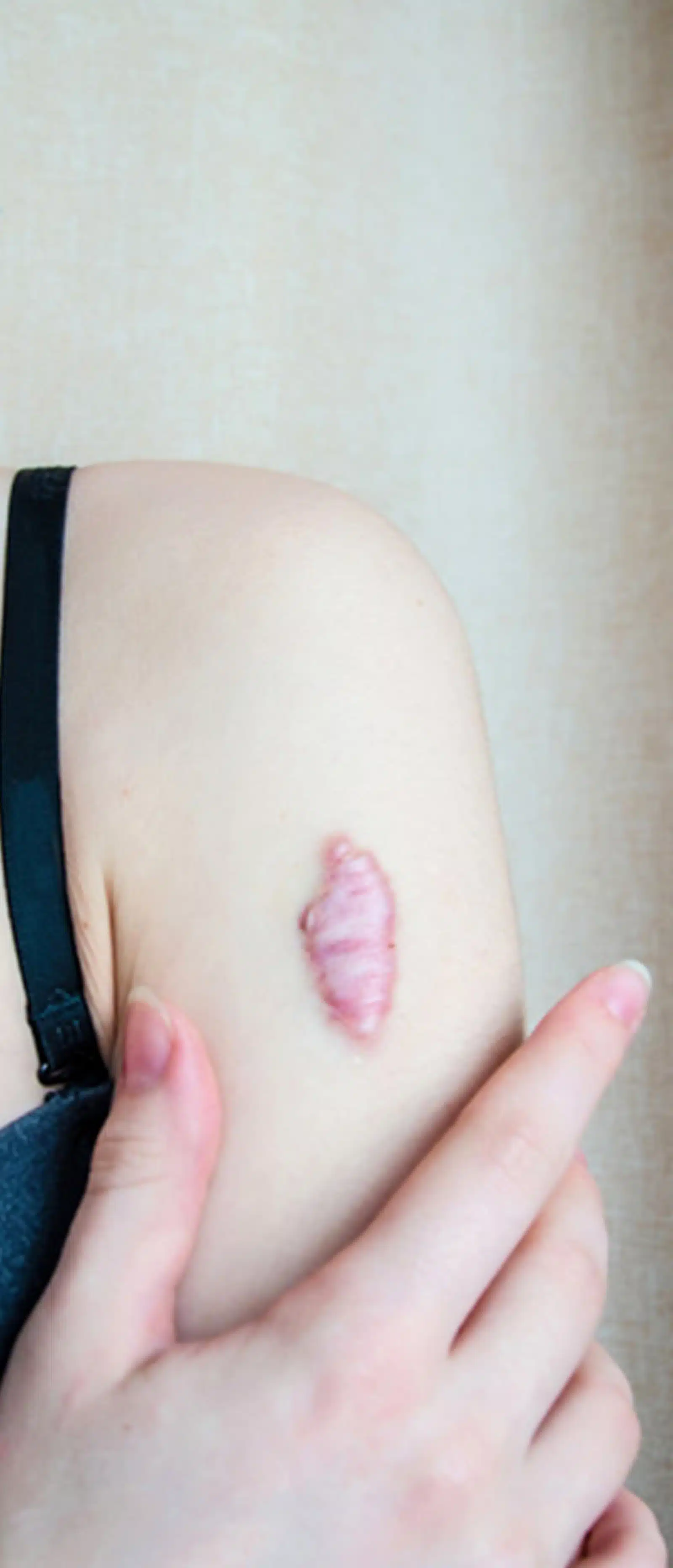
While anyone can develop keloids, certain factors increase the likelihood of this type of scarring. A genetic predisposition or family history of keloids significantly raises the risk. Skin tone also plays a role, as individuals with darker skin are more prone to developing keloids. Age is another factor, with people between 10 and 30 more likely to experience them due to a more active healing response. Additionally, hormonal changes during puberty or pregnancy and skin tension in areas like the chest, shoulders, or back can contribute to abnormal scar growth. Understanding these factors helps specialists design more effective prevention and treatment plans.
Areas of the Body Most Prone to Keloids
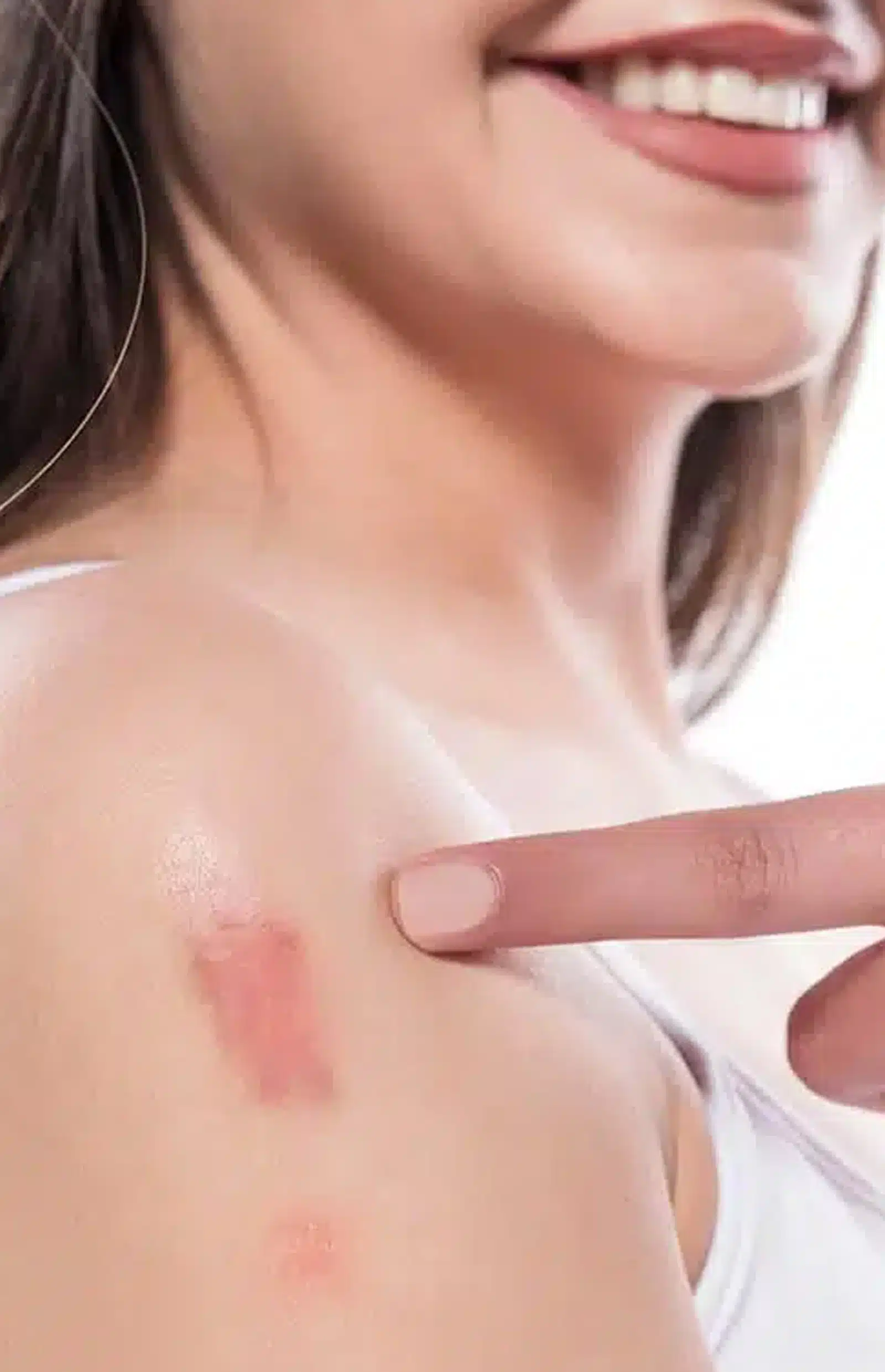
Although keloids can appear anywhere on the body, certain areas are more susceptible due to increased collagen activity or skin tension. Common locations include:
- Chest and sternum area
- Shoulders and upper arms
- Upper back
- Jawline and neck
- Earlobes
- Abdomen after surgery
These areas tend to experience more movement or pressure, which can stimulate the overproduction of scar tissue. Visible keloids can also cause significant cosmetic concerns, especially when they develop on the face, neck, or chest.
Signs and Symptoms of Keloid Scars
Keloids have several distinctive characteristics that differentiate them from ordinary scars.cCommon signs include:
- A raised scar that continues growing after the wound heals
- Thick, dense scar tissue
- Smooth or shiny skin surface
- Red, purple, or dark pigmentation
- Persistent itching or irritation
- Tenderness or discomfort
In some cases, keloids may feel tight or painful, particularly if they develop near joints or areas of frequent movement.cIf a scar appears to be enlarging or becoming thicker over time, it is important to seek professional evaluation.
Areas of the Body Most Prone to Keloids
Although keloids can appear anywhere on the body, certain areas are more susceptible due to increased collagen activity or skin tension. Common locations include:
- Chest and sternum area
- Shoulders and upper arms
- Upper back
- Jawline and neck
- Earlobes
- Abdomen after surgery
These areas tend to experience more movement or pressure, which can stimulate the overproduction of scar tissue. Visible keloids can also cause significant cosmetic concerns, especially when they develop on the face, neck, or chest.
Signs and Symptoms of Keloid Scars
Keloids have several distinctive characteristics that differentiate them from ordinary scars.cCommon signs include:
- A raised scar that continues growing after the wound heals
- Thick, dense scar tissue
- Smooth or shiny skin surface
- Red, purple, or dark pigmentation
- Persistent itching or irritation
- Tenderness or discomfort
In some cases, keloids may feel tight or painful, particularly if they develop near joints or areas of frequent movement.cIf a scar appears to be enlarging or becoming thicker over time, it is important to seek professional evaluation.
Psychological and Emotional Impact of Keloids
Although keloids are medically harmless, their appearance can have a significant emotional and psychological impact on individuals. When these raised scars develop on visible areas of the body, many people may feel self-conscious or uncomfortable about their appearance. This can sometimes lead to lower self-confidence, social discomfort, and frustration, especially when the scar continues to grow or does not fade over time. In some cases, individuals may also experience anxiety related to how the scar affects their overall look.
Seeking professional treatment can help improve the physical appearance of the scar while also boosting the patient’s confidence and emotional well-being.
Why Professional Treatment Is Necessary for Keloids
Many people attempt to treat scars using over-the-counter creams or home remedies. While these options may slightly soften scar tissue, they rarely eliminate keloids entirely. Keloids require targeted treatments that address the underlying collagen overproduction responsible for scar growth. Professional keloid treatment can help:
- Flatten raised scars
- Improve skin texture
- Reduce discoloration
- Relieve itching and irritation
- Prevent further scar growth
Corticosteroid Injections
Corticosteroid injections are a widely used and effective treatment for reducing the size and thickness of keloid scars. By slowing collagen production and softening dense scar tissue, these injections help improve the overall appearance and texture of the affected area. Patients often experience benefits such as reduced scar height, decreased inflammation, relief from itching or discomfort, and improved skin flexibility.
To achieve the best results, steroid injections are typically administered over a series of sessions, allowing gradual improvement while minimizing side effects.
Recovery and Aftercare Following Treatment
Most keloid treatments are minimally invasive and require little downtime, but proper aftercare is essential for achieving the best results. Patients are typically advised to avoid direct sun exposure, keep the treated area clean and moisturized, and refrain from scratching or irritating the scar.
Following all post-treatment instructions carefully helps support the healing process, improves overall outcomes, and minimizes the risk of keloid recurrence.
How Long Does Keloid Removal Take?
Keloid treatment is typically a gradual process. While some improvements may be visible after the first session, optimal results usually require multiple treatments over several weeks or months. The timeline depends on factors such as:
- Size and thickness of the scar
- Location on the body
- Type of treatment used
- Individual healing response
Consistency and follow-up care are essential for maintaining long-term improvements.
Frequently Asked Questions
1. How can I reduce the size of an existing keloid?
At Wymore Laser, reducing keloid size typically involves laser therapy combined with corticosteroid injections. This approach softens the scar tissue, flattens the raised area, and gradually reduces its overall appearance. A personalized treatment plan ensures the most effective results.
2. What should I do if my keloid itches or feels painful?
Persistent itching or discomfort is common with keloids. Corticosteroid injections, topical treatments, and laser therapy can relieve irritation and reduce inflammation. Consulting a specialist promptly prevents worsening and improves comfort.
3. Can keloids be treated if they keep growing?
Yes. Keloids that continue to enlarge can be effectively managed with combination therapies, such as laser treatment with steroid injections. Early intervention helps stop further growth and improves the overall appearance.
4. How do I prevent my keloid from coming back after treatment?
Recurrence can be minimized by following post-treatment care, including silicone sheets, proper wound care, and sun protection. Wymore Laser specialists also schedule follow-up sessions to monitor healing and adjust treatments if necessary.
5. What should I do if a home remedy isn’t helping my keloid?
Begin Your Keloid Treatment Journey Today
Keloid scars can be difficult to treat without professional expertise, but effective solutions are available. If you are searching for keloid removal in Orlando, FL, Wymore Laser offers advanced treatment options designed to reduce scar visibility and improve skin health. With expert care and modern technology, patients can achieve smoother skin and renewed confidence. Schedule your consultation today and take the first step toward healthier, clearer skin with Wymore Laser.