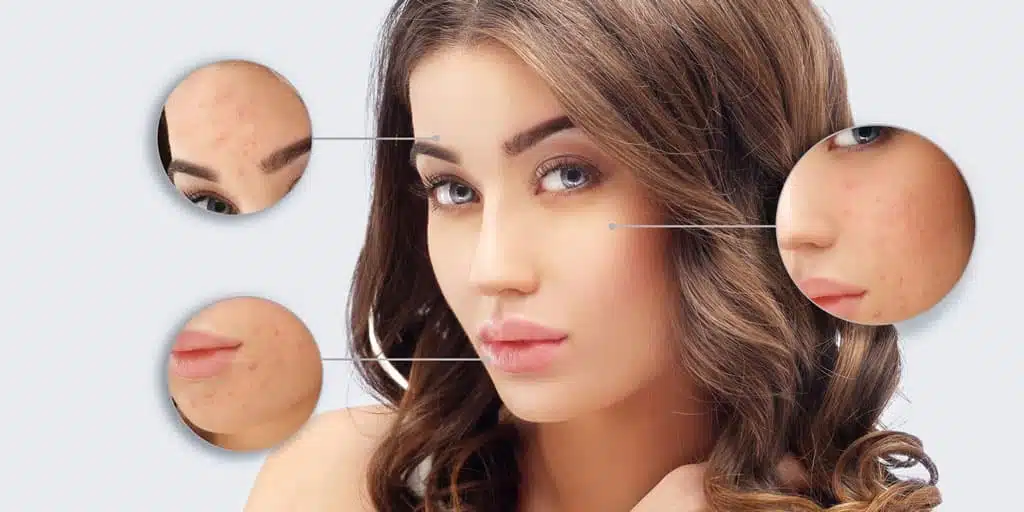
Scars can remain long after acne, injuries, or surgical procedures have healed. While they are a natural part of the body’s healing process, visible scars, uneven skin texture, and persistent discoloration can affect a person’s confidence and comfort with their appearance. Fortunately, modern aesthetic treatments offer options for improving the appearance of certain scars and achieving a smoother-looking complexion. If you are searching for Laser Scar Removal in Town, understanding how laser technology works, which scars may respond to treatment, and what to expect during recovery can help you make an informed decision. Wymore Laser & Anti-Aging Medicine in Winter Park, Florida, provides aesthetic services designed to address a variety of skin concerns and help patients explore personalized treatment options.
Laser scar removal is not a one-size-fits-all procedure. The most appropriate approach depends on the scar’s type, depth, age, location, and the patient’s skin characteristics. With a thorough evaluation and a treatment plan tailored to individual needs, laser technology may help reduce the visibility of selected scars and improve skin texture. This guide explores the benefits of laser scar treatment, the types of scars that may respond, the treatment process, and the factors to consider when choosing a professional provider.
Understanding Laser Scar Removal
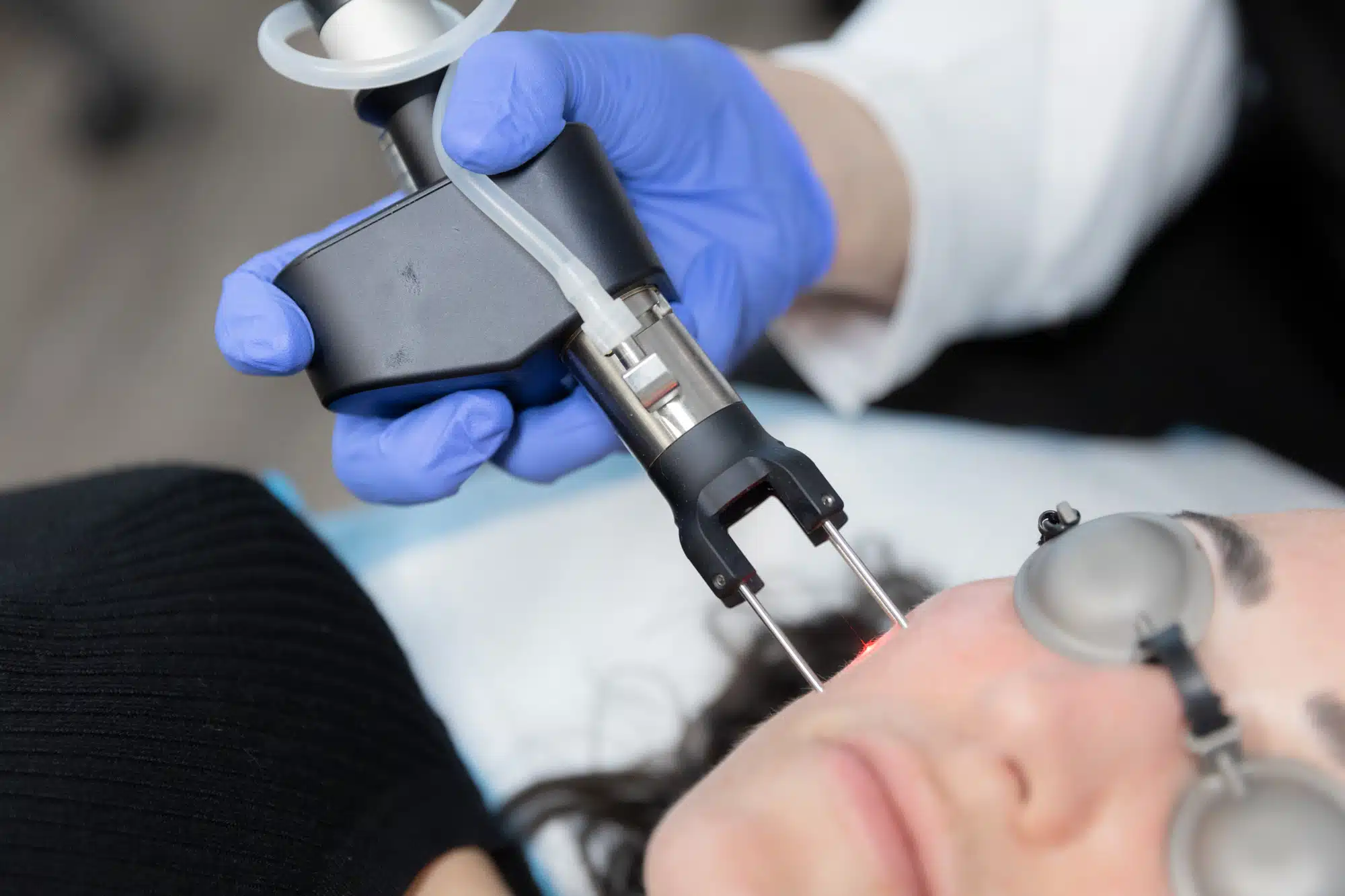
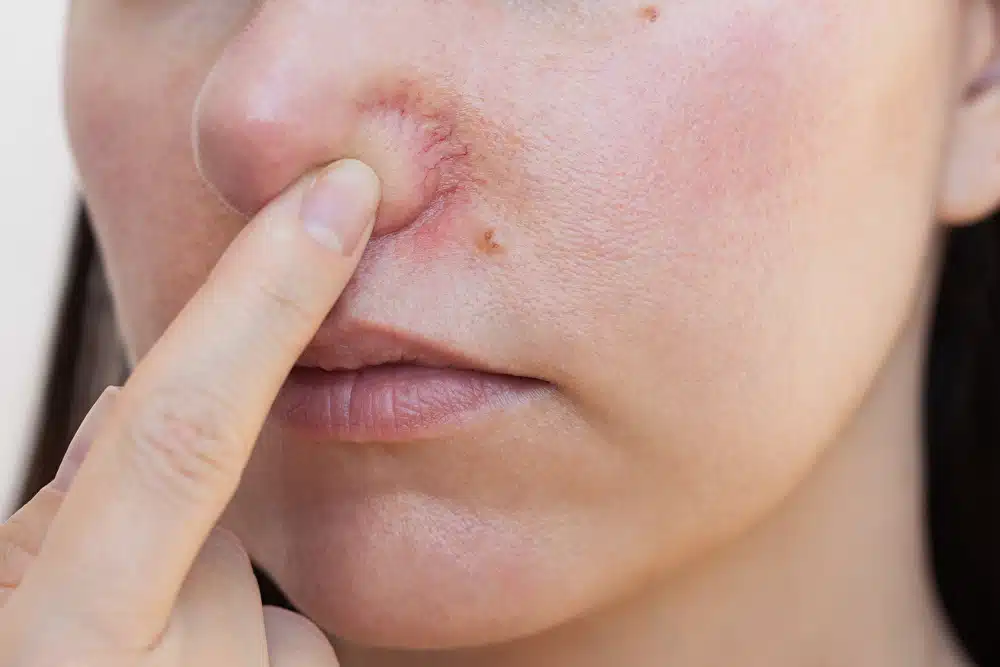
Laser scar removal is a non-surgical aesthetic approach that uses concentrated light energy to improve the appearance of selected scars. Depending on the technology, treatment may stimulate collagen remodeling, improve skin texture, or target redness and certain forms of discoloration. The objective is generally to make scars less noticeable rather than eliminate every trace of scar tissue. Results depend on the nature of the scar and the treatment selected. Scars develop when the skin repairs itself following an injury, inflammation, or surgery. During healing, collagen helps rebuild damaged tissue. However, the resulting tissue may differ from the surrounding skin in color, thickness, or texture. Some scars appear raised, others form depressions, and some leave persistent red or dark marks.
Laser treatments can address particular features of these scars. For example, fractional resurfacing may improve selected textural irregularities, while certain vascular lasers can reduce scar-related redness. Pigmentation concerns may require a different approach. Individuals exploring Laser Scar Removal in Town may be interested in improving:
- Acne scars: Depressed areas, uneven texture, and visible marks left by previous breakouts.
- Surgical scars: Selected scars that remain noticeable after an incision has healed.
- Injury scars: Marks resulting from cuts, abrasions, or other skin injuries.
- Red scars: Certain scars in which visible redness is a prominent concern.
- Textural irregularities: Areas where scar tissue creates an uneven skin surface.
A professional consultation is essential to determine whether laser treatment is appropriate and which technology may offer the greatest potential benefit.
Why Consider Laser Scar Removal in Town?
Visible scars can be difficult to conceal, particularly when they appear on the face or other exposed areas. Although topical skincare products may help improve some forms of discoloration, they generally cannot correct deeper structural changes caused by scar tissue. Professional laser treatment provides a targeted option for addressing specific scar-related concerns. When appropriately selected and performed by qualified professionals, these procedures may improve the appearance of certain scars without requiring surgical removal.
Personalized Treatment for Different Scar Types
Every scar has unique characteristics. Acne scars may create depressions in the skin, surgical scars may appear firm or raised, and injury scars may be associated with discoloration or uneven texture. These differences influence the choice of treatment. During an assessment, a provider can evaluate the scar’s appearance, surrounding skin, and healing history before recommending an appropriate procedure. A personalized plan helps avoid a generic approach and supports realistic expectations about the degree of improvement that may be possible.
Non-Surgical Approaches to Skin Improvement
Many laser procedures are performed without incisions or stitches. Depending on the technology and intensity, treatment may involve relatively little downtime or a more substantial recovery period. For patients who want to improve the appearance of selected scars without surgery, this can be an attractive option. However, non-surgical treatments still carry risks, including redness, swelling, infection, burns, and temporary or persistent pigmentation changes. Understanding the benefits and limitations of a procedure before treatment is an important part of making the right decision.
Gradual Improvement in Skin Texture
Certain laser treatments stimulate collagen remodeling, which may gradually improve the appearance of selected depressed scars and textural irregularities. Because collagen remodeling takes time, results typically develop over weeks or months rather than immediately. Depending on the scar and the treatment method, multiple sessions may be recommended. The aim is to achieve a meaningful improvement while protecting the skin and allowing adequate time for healing between appointments.
Types of Scars That May Benefit From Laser Treatment
Selecting the appropriate treatment begins with identifying the type of scar and understanding the specific concern you want to address.
1. Acne Scars and Uneven Skin Texture
Acne scars can persist long after active breakouts have resolved. Unlike temporary acne marks, true acne scars involve structural changes in the skin that can create visible depressions or an uneven surface. Fractional laser resurfacing may help improve selected atrophic acne scars by encouraging collagen remodeling and skin renewal. Treatment suitability depends on the depth and pattern of the scars, the patient’s skin type, and the technology available. Some patients benefit from a series of sessions, with improvements developing gradually. Deep or tethered scars may require other procedures or a combination approach. It is also important to distinguish depressed acne scars from dark marks left after inflammation. These concerns may look similar but require different treatment strategies.
2. Surgical Scars
Surgical scars form as the body repairs an incision. Their appearance depends on factors such as the location of the incision, the healing process, skin characteristics, and the tension placed on the wound. Some mature surgical scars remain red, uneven, or discolored. Depending on their characteristics, selected laser procedures may help reduce redness or improve texture. Raised scars and keloids require particular attention. Laser treatment alone may not be sufficient, and keloids can recur after treatment. A qualified medical professional should assess these scars and determine whether laser therapy, another intervention, or specialist referral is appropriate.
3. Injury and Accident Scars
Cuts, abrasions, and other injuries can leave permanent marks even after the skin has healed. These scars may be flat, depressed, raised, or discolored. Laser treatment may improve selected injury scars by targeting redness, certain pigmentation concerns, or textural irregularities. The appropriate approach depends on the original injury and the way the tissue healed. Treatment should only be considered once the wound has completely healed. Open wounds, active infections, or irritated skin require medical assessment before any cosmetic procedure.
4. Red or Discolored Scars
Some scars stand out primarily because their color differs from the surrounding skin. They may appear pink, red, brown, or darker than the natural complexion. Vascular lasers can target certain blood vessels associated with redness, while other technologies may be considered for selected pigmentation concerns. These treatments work differently, so identifying the cause of the discoloration is essential. Patients with darker skin tones may have an increased risk of post-inflammatory hyperpigmentation after certain laser procedures. Appropriate technology selection, conservative settings, and careful aftercare help reduce potential risks.
5. Scars With Uneven Texture
Scar tissue may feel rough, firm, or uneven compared with nearby skin. Depending on the underlying cause, resurfacing treatments may help improve selected textural concerns. However, not every uneven area is a suitable candidate for laser treatment. The provider must determine whether the concern involves scar tissue, active inflammation, pigmentation, or another skin condition before recommending a procedure.
How Does Laser Scar Removal Work?
Laser treatments use controlled light energy to target particular structures within the skin. The way a treatment works depends on the device and the concern being addressed.
Fractional Laser Resurfacing
Fractional laser resurfacing treats microscopic columns of skin while leaving surrounding tissue relatively untouched. This encourages a healing response and may stimulate collagen remodeling. Ablative fractional lasers remove tiny portions of the skin’s surface, while non-ablative fractional lasers heat targeted tissue without removing the same amount of surface skin. Both approaches may improve selected textural irregularities, but their intensity, risks, and recovery requirements differ. Your provider can explain which option may be appropriate for your skin and scar type.
Laser Treatment for Redness
Certain vascular lasers target hemoglobin within blood vessels. This can help reduce the appearance of redness associated with some scars. Vascular treatments do not generally correct deep depressions or remove raised scar tissue. They are intended for specific vascular concerns and must be selected according to the scar’s characteristics.
Laser Treatment for Pigmentation
Some laser systems target pigment within the skin and may help improve certain forms of discoloration. However, not all dark marks are appropriate for laser treatment, and unsuitable settings can worsen pigmentation. A professional assessment helps determine whether laser therapy, topical treatment, or another option is more appropriate.
Key Benefits of Professional Laser Scar Treatment
For suitable candidates, laser scar treatment may offer several benefits when performed using appropriate technology and carefully selected settings.
- Improved skin texture: Selected resurfacing procedures may soften the appearance of certain depressed scars and uneven areas.
- Reduced visible redness: Appropriate vascular lasers may improve redness associated with specific scars.
- More even-looking skin: Certain treatments may help address selected pigmentation concerns.
- Non-surgical treatment options: Many procedures do not require incisions or stitches.
- Individualized care: Treatment plans can be adapted to the scar, skin type, and desired outcome.
- Progressive improvement: Some results develop gradually as the skin heals and collagen remodels.
It is important to recognize that results vary. Complete scar removal cannot be guaranteed, and some scars may respond only modestly to treatment.
Why Choose Wymore Laser for Laser Scar Removal in Town?
Choosing the right provider is an important part of any aesthetic treatment. Patients should look for an approach that prioritizes skin assessment, appropriate technology, transparent communication, and realistic expectations. Wymore Laser & Anti-Aging Medicine, located in Winter Park, Florida, offers aesthetic and laser-based services for individuals seeking solutions to a variety of skin concerns. Patients can explore available treatments and discuss their goals with the practice to determine which options may be suitable.
Individualized Treatment Planning
Effective scar treatment begins with understanding the patient’s skin and the characteristics of the scar. Factors such as scar depth, location, age, skin tone, and previous treatment history can influence the recommended approach. A consultation provides an opportunity to discuss your concerns, review treatment options, and understand the potential benefits and limitations of each procedure. Rather than promising identical results for every patient, an individualized approach helps establish appropriate expectations and supports more informed decisions.
A Focus on Skin Rejuvenation
Scar concerns often overlap with other skin issues, including uneven texture, sun damage, and changes in skin tone. Wymore Laser offers aesthetic services that address a range of skin rejuvenation goals. Depending on the patient’s needs, a provider may discuss options such as fractional skin resurfacing, IPL, or microneedling. These procedures are not interchangeable, and their suitability for scar improvement depends on the specific condition being treated. The goal is to identify the treatment that best matches the patient’s skin concerns rather than selecting a procedure based solely on its popularity.
Professional Guidance and Patient Education
Understanding a procedure before committing to treatment is essential. Patients should receive clear information about the recommended technology, expected recovery, possible side effects, and anticipated number of sessions. When exploring Laser Scar Removal in Town, ask who will perform the treatment, what qualifications they hold, and how the procedure will be adjusted for your skin type. You should also understand the aftercare requirements and know whom to contact if unexpected symptoms develop.
What to Expect During a Laser Scar Removal Appointment
Knowing what happens before, during, and after treatment can make the process more comfortable and help you prepare for recovery.
Step 1: Comprehensive Skin Assessment
Your appointment typically begins with a discussion of your concerns and medical history. The provider evaluates the scar’s depth, color, texture, and location and asks about previous treatments and healing experiences. Be sure to disclose any history of keloids, cold sores, skin infections, pigment changes, or medications that could affect healing. This information helps determine whether laser treatment is appropriate and whether additional precautions are necessary.
Step 2: Developing a Customized Treatment Plan
If you are a suitable candidate, your provider explains the recommended procedure, expected benefits, possible risks, and anticipated recovery period. Some scars may respond to a single treatment, while others require several sessions spaced weeks apart. Certain scars may benefit more from alternative treatments or a combination of approaches. Your provider should explain what improvement is realistic for your particular scar.
Step 3: Preparing Your Skin
Preparation depends on the selected laser and your individual skin characteristics. You may be advised to avoid tanning, protect the treatment area from sunlight, and temporarily stop using certain irritating skincare products. Follow the instructions provided by your clinician. Do not independently discontinue prescription medications or begin new products without appropriate guidance.
Step 4: The Laser Procedure
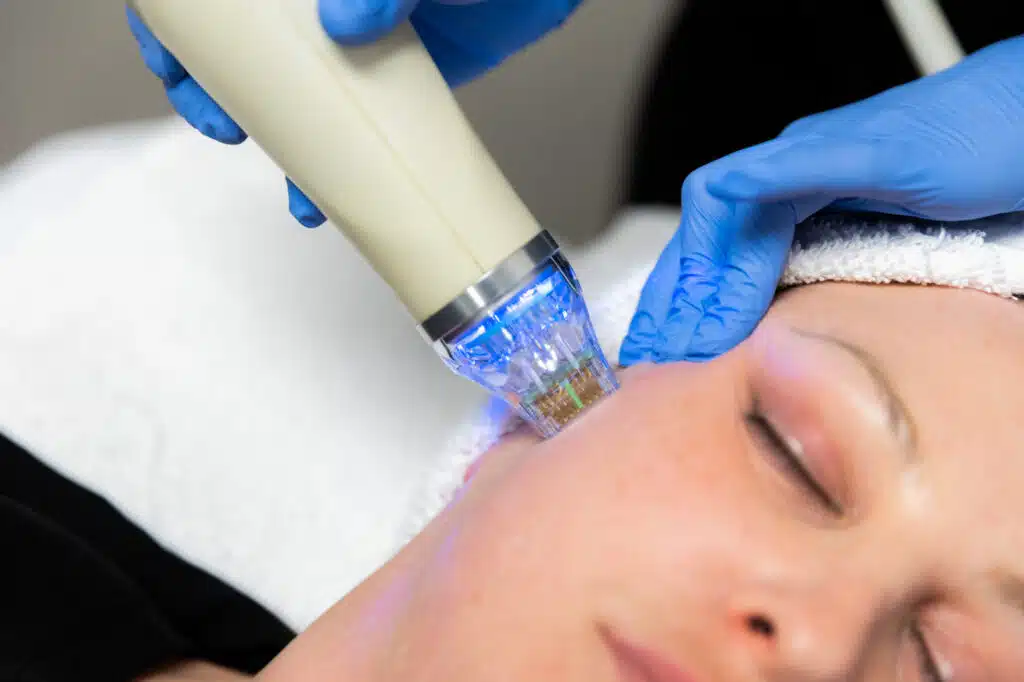
During treatment, the provider directs the laser over the selected area. You may experience warmth, tingling, or a snapping sensation, depending on the device and intensity. Cooling methods or topical anesthetics may be used when appropriate. The duration of the appointment varies according to the size of the treatment area and the type of procedure performed.
Step 5: Recovery and Follow-Up
After treatment, temporary redness, swelling, sensitivity, or mild irritation may occur. More intensive resurfacing procedures can cause peeling, pinpoint crusting, and a longer healing period. Your provider will explain how to care for your skin, when to resume normal activities, and when another session may be appropriate. Follow-up appointments also provide an opportunity to assess your progress and adjust the treatment plan if necessary.
How Many Laser Scar Removal Sessions Will You Need?
There is no standard number of sessions that applies to every patient. Treatment requirements depend on the scar’s characteristics, the technology used, and the degree of improvement sought. Several factors can influence your treatment timeline:
- Scar depth and severity: Deeper or more pronounced scars may require a longer course of treatment.
- Scar type: Acne scars, surgical scars, and scars associated with redness respond differently to laser technology.
- Selected device: Ablative and non-ablative procedures have different treatment intensities and recovery requirements.
- Skin tone and sensitivity: These factors influence device selection, treatment settings, and safety precautions.
- Individual healing response: Collagen remodeling and skin recovery vary from person to person.
Some patients may notice early improvements after an initial session, while others need a series of treatments to achieve a visible difference. Changes in skin texture can continue for several months as collagen remodels. During your consultation, ask for an estimated treatment schedule and how progress will be evaluated. A clear plan helps you understand the expected timeline without creating unrealistic expectations.
Essential Aftercare for Better Skin Recovery
Proper aftercare is an important part of laser scar treatment. Following your provider’s instructions helps protect the skin during recovery and reduces the risk of complications.
Follow Your Recommended Skincare Routine
Use the cleansers, moisturizers, and other products recommended for your recovery. Avoid scrubbing, picking, or peeling the treated area, as these actions can interfere with healing. Retinoids, exfoliating acids, and other potentially irritating products should not be resumed until your provider confirms that your skin is ready.
Protect Your Skin From the Sun
Sun exposure can increase the risk of pigmentation changes after laser treatment. Once your provider confirms that it is appropriate for your healing skin, use a broad-spectrum sunscreen with SPF 30 or higher. Protective clothing, shade, and avoiding tanning can provide additional protection.
Give Your Skin Time to Heal
Recovery varies according to the treatment. Some non-ablative procedures involve limited downtime, while ablative resurfacing may require more substantial healing. Avoid scheduling an intensive treatment immediately before a major event. Discuss your work, travel, exercise, and social commitments with your provider so that recovery can be planned appropriately.
Recognize Potential Complications
Increasing pain, worsening redness, blistering, unusual discharge, or other unexpected symptoms should be reported promptly to your provider. Early assessment can help determine whether additional care is needed.
Is Laser Scar Removal Suitable for Every Skin Type?
Laser scar removal is not appropriate for every person or every type of scar. Although many skin tones can be treated with carefully selected technology, the risk of burns and unwanted pigmentation changes varies. People with darker skin tones may be more susceptible to post-inflammatory hyperpigmentation after certain procedures. Choosing a suitable laser, using conservative settings when indicated, and following appropriate aftercare are particularly important. Laser treatment may also be unsuitable when the skin has an active infection, an open wound, or certain other medical concerns. Patients with a history of abnormal scarring or conditions that affect healing should discuss these factors with their provider before proceeding. A thorough assessment allows the clinician to determine whether laser treatment is appropriate, whether additional precautions are needed, or whether another treatment would be safer or more effective.
When Should You Seek Professional Scar Treatment?
If a fully healed scar remains noticeable or affects your confidence, a professional consultation can help you understand the available options. You may wish to explore treatment if you have:
- Acne scars that create depressions or uneven skin texture.
- Mature surgical scars that remain visible.
- Persistent redness associated with a healed scar.
- Injury scars that affect the appearance of exposed skin.
- Questions about whether laser resurfacing or another procedure could help.
However, new, changing, painful, itchy, or unexplained skin lesions should be medically evaluated before cosmetic treatment. Raised, growing, or keloid scars may also require specialist assessment. Seeking professional guidance early can help you avoid unsuitable treatments and identify an approach that reflects your skin’s specific needs.
Frequently Asked Questions About Laser Scar Removal in Town
1. Can laser scar removal completely eliminate scars?
Laser treatments generally aim to make scars less noticeable rather than eliminate them entirely. The outcome depends on scar depth, type, age, skin characteristics, and response to treatment.
2. Is laser scar removal painful?
Some patients experience warmth, tingling, or a snapping sensation during treatment. Discomfort varies depending on the laser and its intensity. Cooling methods or topical anesthetics may be used when appropriate.
3. How long does it take to see results from laser scar treatment?
Some improvements may become noticeable after an initial session, but textural changes often develop over several weeks or months. Multiple treatments may be necessary, depending on the scar and selected technology.
4. Can laser treatment improve old acne scars?
Yes, certain resurfacing procedures may improve the appearance of established acne scars, particularly selected depressed scars and uneven skin texture. Deep or tethered scars may require alternative or combination treatments.
5. How much downtime should I expect after laser scar removal?
Recovery depends on the procedure. Some non-ablative treatments cause temporary redness with limited downtime, while more intensive resurfacing may require several days or longer for recovery.
6. Is laser scar removal safe for darker skin tones?
Some laser treatments are suitable for darker skin tones when the correct technology and settings are selected. However, the risk of pigmentation changes varies, making an individualized assessment essential.
7. How much does laser scar removal cost in Winter Park?
The cost depends on the treatment area, scar characteristics, technology, and number of sessions required. Contact Wymore Laser directly for current pricing and a personalized estimate.
8. Can lasers treat raised scars or keloids?
Certain raised scars may benefit from selected laser treatments, but lasers alone may not be sufficient. Keloids can recur, so a qualified medical professional should determine the most appropriate treatment strategy.
9. What should I avoid after laser scar removal?
Avoid tanning, direct sun exposure, picking or scrubbing the treated area, and irritating skincare products until your provider advises that they are safe to resume. Follow all personalized aftercare instructions.
10. How do I get started with Laser Scar Removal in Town?
Begin by contacting Wymore Laser & Anti-Aging Medicine to arrange a consultation. Discuss your scar’s history, skin characteristics, and desired results so that the appropriate treatment options can be evaluated.
Take the Next Step Toward Smoother-Looking Skin
Visible scars can be frustrating, particularly when they remain long after the original injury or skin condition has healed. Although no procedure can guarantee completely flawless skin, appropriate laser treatments may help improve the appearance of selected scars, refine uneven texture, and reduce certain forms of discoloration. For individuals researching Laser Scar Removal in Town, Wymore Laser & Anti-Aging Medicine in Winter Park, Florida, offers a place to begin exploring professional aesthetic treatments and personalized skin care options.
The first step is to understand your scar, identify the changes you would like to address, and discuss suitable treatments with a qualified professional. With realistic expectations and an appropriate treatment plan, you can make a more informed decision about improving your skin’s appearance. Contact Wymore Laser & Anti-Aging Medicine to discuss your skin concerns and learn which treatment options may be suitable for you.
Want Wymore Laser's skin guides and news to show up first when you search Google?