

Healthy, glowing skin is more than just appearance it’s a reflection of confidence and overall wellness. In Winter Park, microneedling has gained recognition as a safe, scientifically supported treatment to address a variety of skin concerns. Unlike topical creams or invasive procedures, microneedling works by stimulating the skin’s natural regenerative mechanisms, encouraging healthier, more resilient skin from within. This article explores how microneedling works, its benefits, the procedure, aftercare, and scientific principles, providing a comprehensive guide for anyone considering this treatment.
Tiny Needles, Big Results: Understanding Microneedling
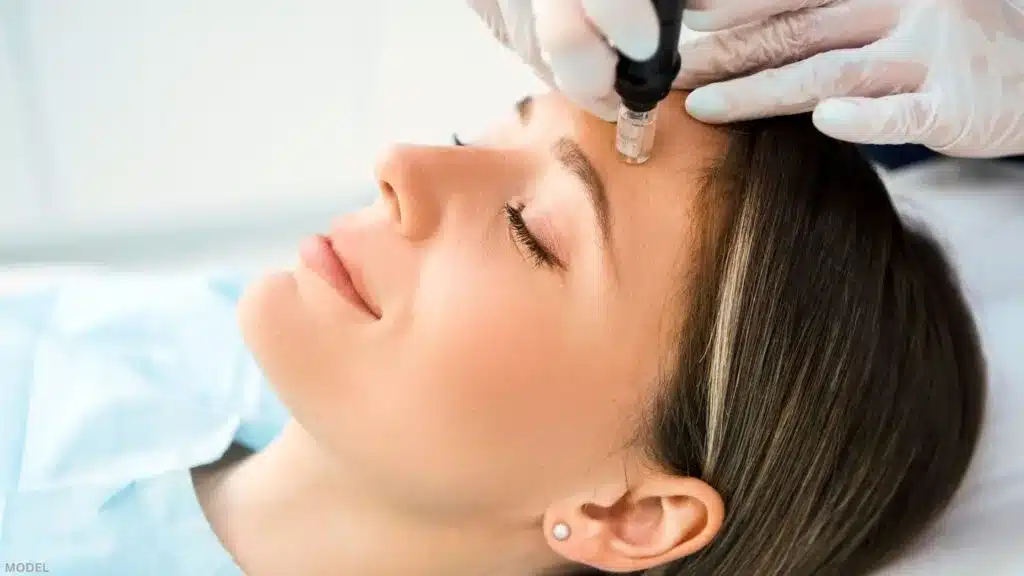
Microneedling, or collagen induction therapy, involves creating micro-injuries in the skin using fine needles. These controlled punctures trigger the skin’s natural healing response, leading to increased collagen and elastin production proteins essential for maintaining firmness, elasticity, and youthful texture. The process may sound simple, but the effects are profound. By engaging the body’s intrinsic repair mechanisms, microneedling supports skin regeneration in a way that is minimally invasive, safe, and long-lasting. It can be used on almost all areas of the face and body, addressing fine lines, scars, pigmentation, and texture irregularities.
How Microneedling Benefits Skin Health
The benefits of microneedling go beyond surface-level cosmetic improvements. Through its regenerative action, microneedling provides scientifically supported enhancements to skin health:
- Boosting Collagen Production – Stimulates fibroblasts to create collagen and elastin, which improve skin structure and elasticity.
- Smoothing Scars and Imperfections – Gradually diminishes acne scars, surgical scars, and other skin irregularities.
- Refining Texture and Pore Size – Improves overall smoothness and reduces the appearance of enlarged pores.
- Enhancing Skincare Absorption – Micro-channels in the skin allow serums and active ingredients to penetrate more effectively.
- Supporting Anti-Aging – Reduces fine lines, improves elasticity, and promotes even skin tone naturally.
By addressing multiple skin concerns at once, microneedling has become a preferred method in dermatology and cosmetic medicine for both corrective and preventative purposes.
Common Skin Concerns Microneedling Addresses
Reversing the Signs of Aging
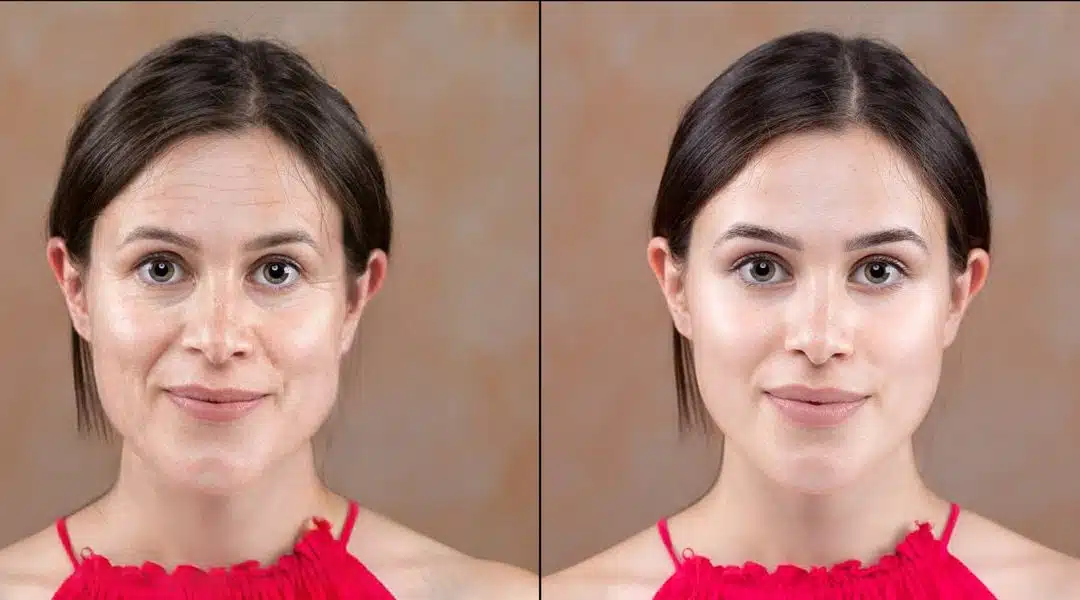
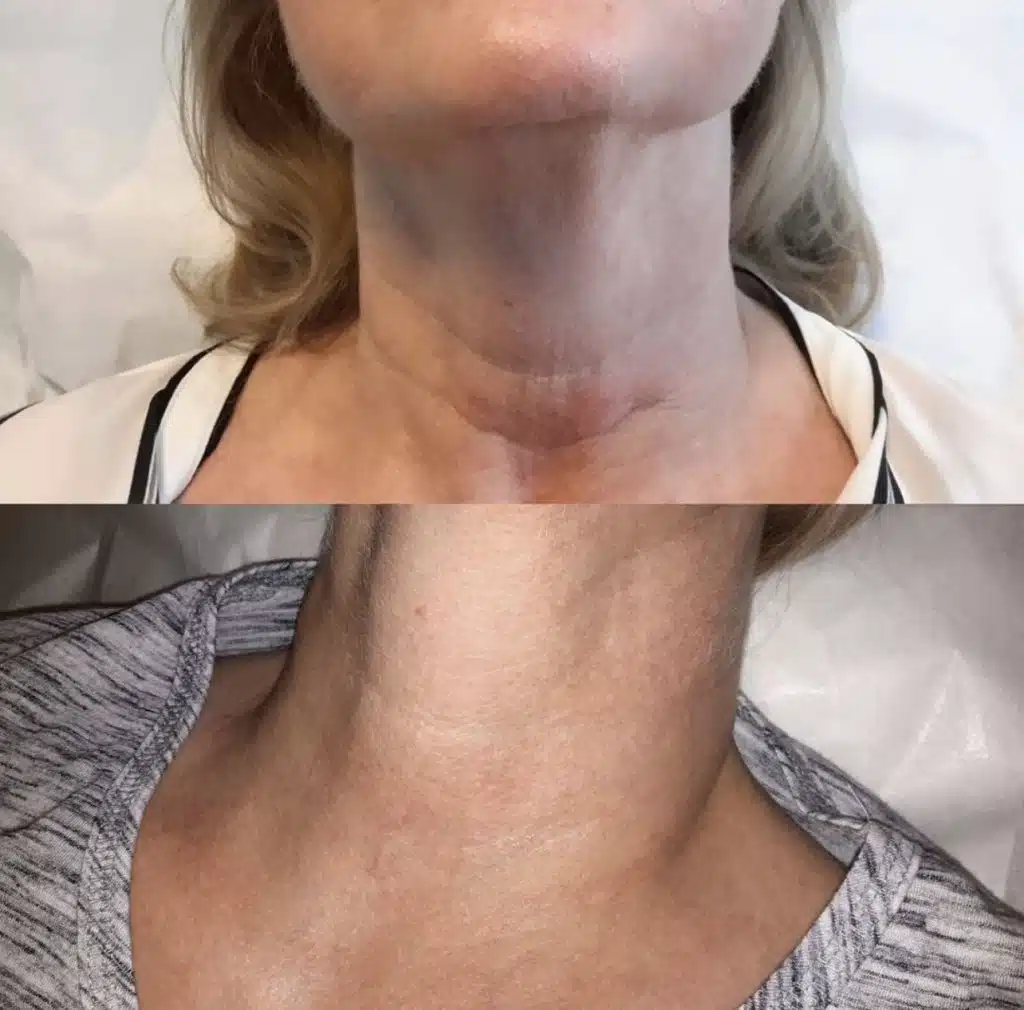
Fine lines and wrinkles develop as the skin loses collagen and elastin over time. Microneedling stimulates natural protein production, softening these lines without altering facial expressions. Regular treatments can maintain elasticity and firmness, keeping the skin youthful.
Treating Acne Scars and Skin Damage
Acne scars vary in depth and severity, from mild textural irregularities to deeper indentations. Microneedling remodels the underlying scar tissue and encourages smooth skin formation over multiple sessions, offering a gradual but visible improvement.
Evening Out Skin Tone
Hyperpigmentation, sun damage, and post-inflammatory pigmentation can create uneven skin tone. Microneedling promotes cellular turnover and rejuvenation, which gradually reduces discoloration and enhances radiance, particularly when combined with targeted serums.
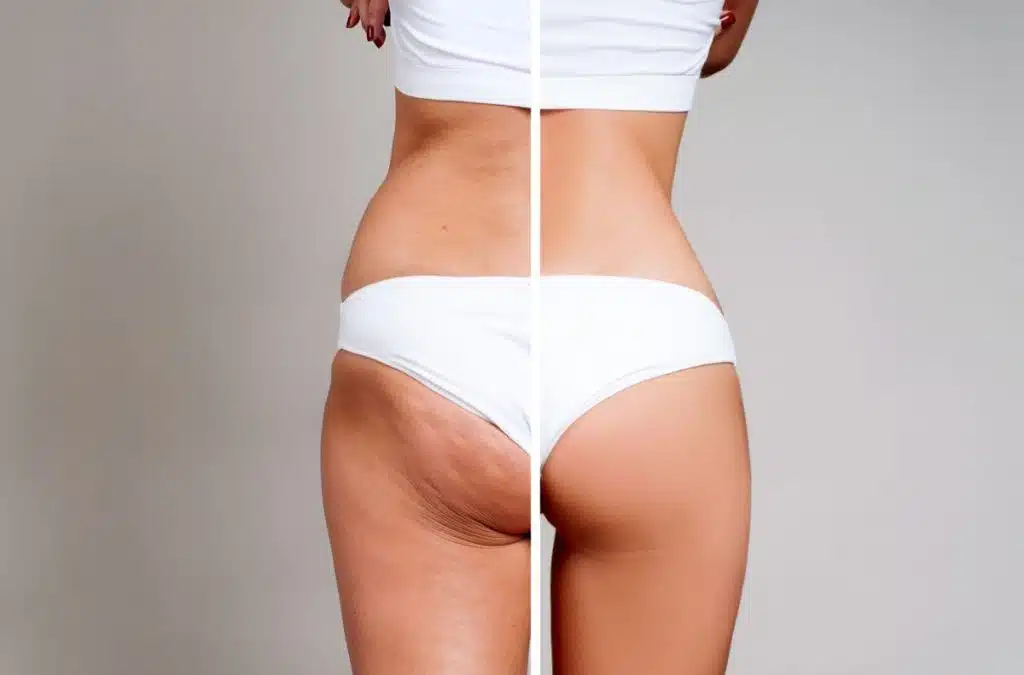
Reducing Stretch Marks and Improving Skin Elasticity
Stretch marks occur when the skin is stretched beyond its natural limits. Microneedling promotes collagen and elastin production, helping to restore skin’s resilience and minimize the visibility of stretch marks over time.
Supporting Overall Skin Health
Beyond aesthetics, microneedling improves skin barrier function, texture, and overall resilience, making the skin healthier, stronger, and better equipped to repair damage from environmental factors.
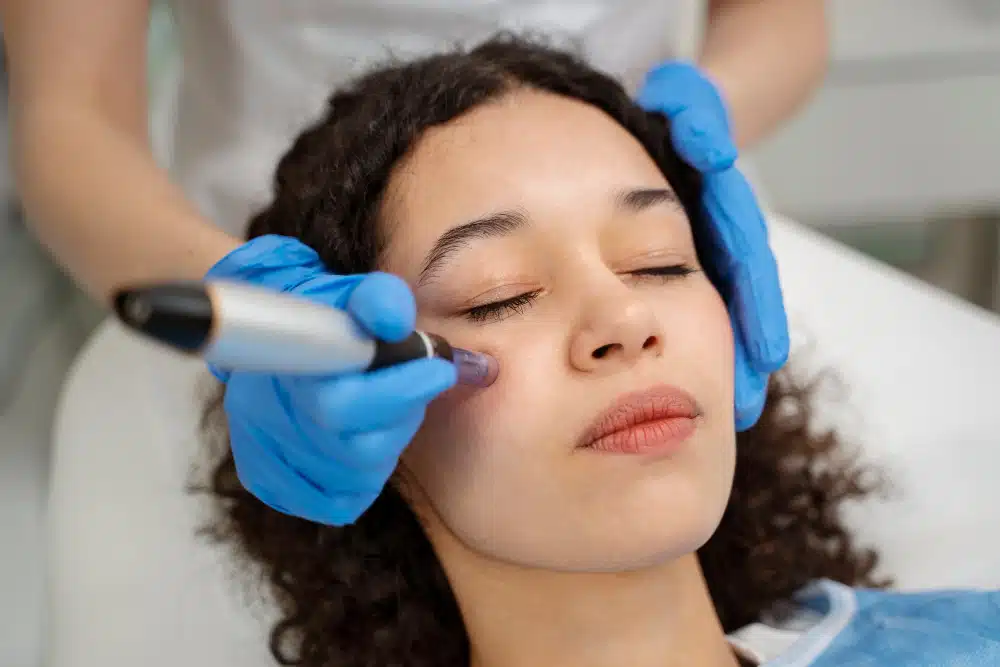
The Microneedling Process: Step by Step
Understanding the procedure can help reduce anxiety and clarify expectations:
- Consultation and Skin Assessment – A trained professional evaluates skin type, concerns, and goals to determine needle depth and treatment approach.
- Preparation – Skin is cleansed and disinfected. A topical numbing cream may be applied to ensure comfort.
- Microneedling Procedure – Using a precision device, controlled micro-injuries are created, stimulating collagen and elastin production.
- Serum Application – Immediately after treatment, serums containing nutrients, vitamins, or growth factors are applied, penetrating more deeply through the micro-channels.
- Aftercare Guidance – Post-treatment care instructions are provided, including hydration, sun protection, and gentle skincare practices.
A single session typically lasts 30–60 minutes, depending on the area being treated. Results develop gradually, with visible improvements often appearing within a few weeks, and more significant changes after multiple treatments.
Post-Treatment Care: Ensuring Optimal Results
Although microneedling is minimally invasive, proper aftercare is essential:
- Expect Temporary Redness – Mild redness and swelling are normal and usually subside within 24–48 hours.
- Avoid Irritants – Refrain from harsh cleansers, exfoliants, and sun exposure during the recovery period.
- Hydrate and Moisturize – Adequate hydration and gentle moisturizers support healing and enhance results.
- Follow Professional Recommendations – Using recommended serums or skincare products can improve the regenerative effects.
- Regular Sessions for Best Results – Treatments are often spaced 4–6 weeks apart, depending on skin type and severity of concerns.
By adhering to these guidelines, patients maximize collagen production and support long-term improvements in skin texture and appearance.
Advanced Microneedling Techniques
Microneedling can be effectively combined with other therapies to enhance results and address specific skin concerns. One popular method is PRP (Platelet-Rich Plasma) microneedling, which uses the patient’s own plasma to accelerate healing, stimulate collagen production, and boost overall regenerative outcomes. Additionally, topical treatments such as vitamins, antioxidants, and growth factors can be applied immediately after microneedling to support cellular recovery and further rejuvenate the skin. In some cases, microneedling is paired with adjunctive therapies like laser treatments or chemical peels to target deeper scars, pigmentation issues, or texture irregularities. These combined approaches demonstrate the versatility of microneedling and its role as part of a comprehensive, science-driven skincare regimen.
The Science Behind the Results
Clinical research demonstrates that microneedling:
- Increases Collagen Density – Enhances structural support for smoother, firmer skin.
- Improves Elasticity – Reduces the appearance of fine lines and wrinkles.
- Promotes Skin Barrier Health – Strengthens skin resilience against environmental damage.
- Supports Scar Remodeling – Improves texture and appearance of acne or surgical scars.
While outcomes vary based on individual skin type, age, and treatment adherence, the fundamental principle is consistent: controlled micro-injuries stimulate the skin’s regenerative capacity, leading to healthier, more youthful-looking skin over time.
Planning a Microneedling Regimen
For optimal results, practitioners recommend a structured approach to microneedling. They generally schedule treatment sessions every 4–6 weeks and adjust them according to each patient’s skin needs and goals. Providers customize each session, tailoring needle depth and technique to address specific concerns effectively.
Patients attend regular follow-up appointments so specialists can monitor progress, evaluate results, and adjust the treatment plan as needed. Additionally, practitioners may integrate complementary therapies such as serums, PRP, or laser treatments to enhance outcomes. By carefully planning each step, patients actively participate in a safe, effective, and science-based approach to improving their overall skin health.
Educating Yourself Before Treatment
Microneedling is most effective when individuals understand:
- The biological mechanism behind collagen induction
- The types of skin concerns it can address
- What to expect during and after the procedure
- The importance of post-care for long-term results
Informed patients can make decisions that balance realistic expectations with scientific evidence, promoting both safety and efficacy.
Conclusion: Microneedling as a Science-Backed Approach to Skin Health
Microneedling goes beyond cosmetic treatment; it uses science-driven techniques to improve skin quality and resilience. By stimulating collagen and elastin production, it reduces aging signs, smooths scars, and improves texture while promoting overall skin health.
For Winter Park residents, learning the principles, benefits, and aftercare of microneedling helps them make informed choices that prioritize long-term skin wellness over temporary cosmetic fixes. When providers perform microneedling correctly and patients follow consistent care, the procedure delivers safe, minimally invasive, and evidence-based improvements that enhance skin appearance, structure, and health.