

Rosacea is a chronic inflammatory skin condition that primarily affects the face, often presenting as persistent redness, flushing, visible blood vessels, and acne-like breakouts. Although it is commonly associated with cosmetic concerns, rosacea is a medical condition that requires structured and professional management.
For residents searching for the best rosacea clinic in Winter Park, FL, understanding the nature of the condition, available treatment options, and the importance of medically supervised care is essential. With proper diagnosis and a personalized approach, rosacea symptoms can be significantly reduced, improving both skin health and overall quality of life.
What Is Rosacea?
Rosacea is a long-term skin disorder that most frequently affects adults over the age of 30. It typically develops gradually, beginning with episodes of facial flushing and progressing to persistent redness. Over time, untreated rosacea may become more visible and more difficult to manage. Although the exact cause remains unknown, research suggests that several factors may contribute to its development:
- Genetic predisposition
- Vascular instability
- Immune system dysfunction
- Skin barrier impairment
- Environmental triggers
Because rosacea is chronic, it does not simply “go away.” Instead, it requires ongoing management to control flare-ups and prevent progression.
The Four Main Types of Rosacea
Rosacea does not present the same way in every patient. Dermatology professionals classify it into four primary subtypes:
1. Erythematotelangiectatic Rosacea (ETR)
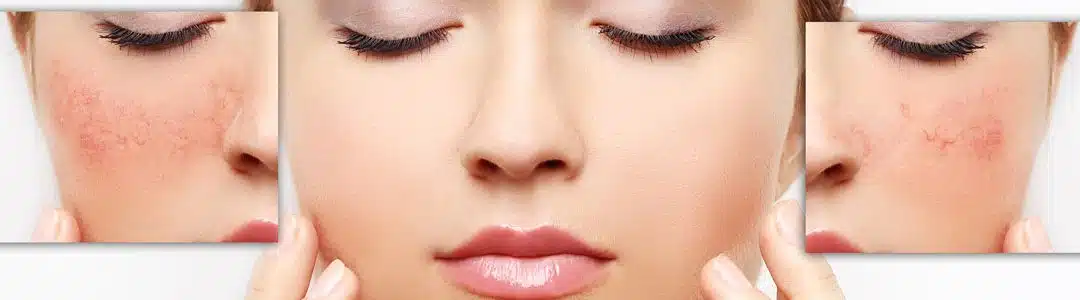
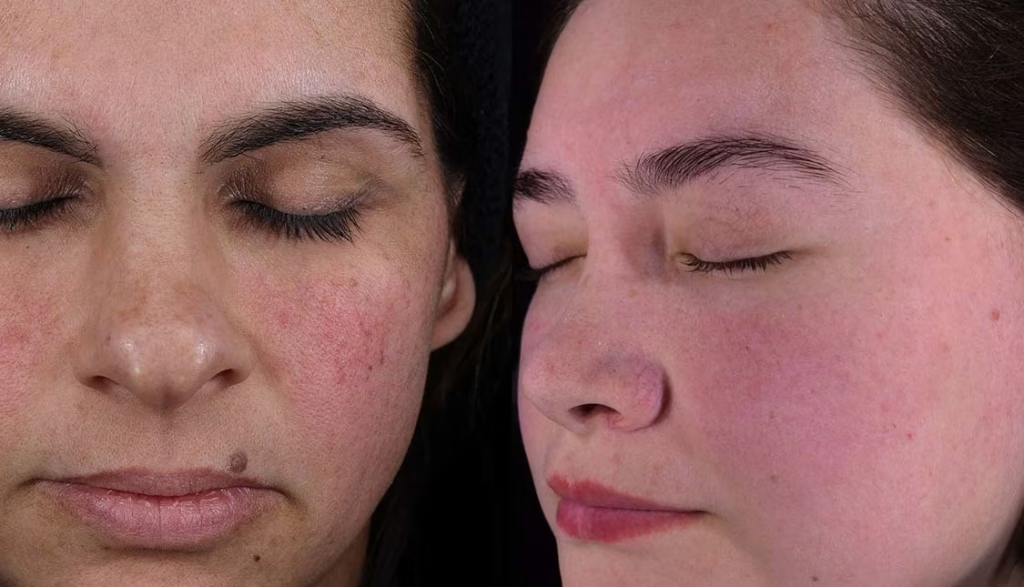
This type is characterized by persistent facial redness and visible blood vessels. Patients may experience frequent flushing and skin sensitivity.
2. Papulopustular Rosacea
Often mistaken for adult acne, this form includes redness accompanied by inflamed bumps and pustules.
3. Phymatous Rosacea
A rarer subtype that causes thickened, textured skin, particularly around the nose (rhinophyma).
4. Ocular Rosacea
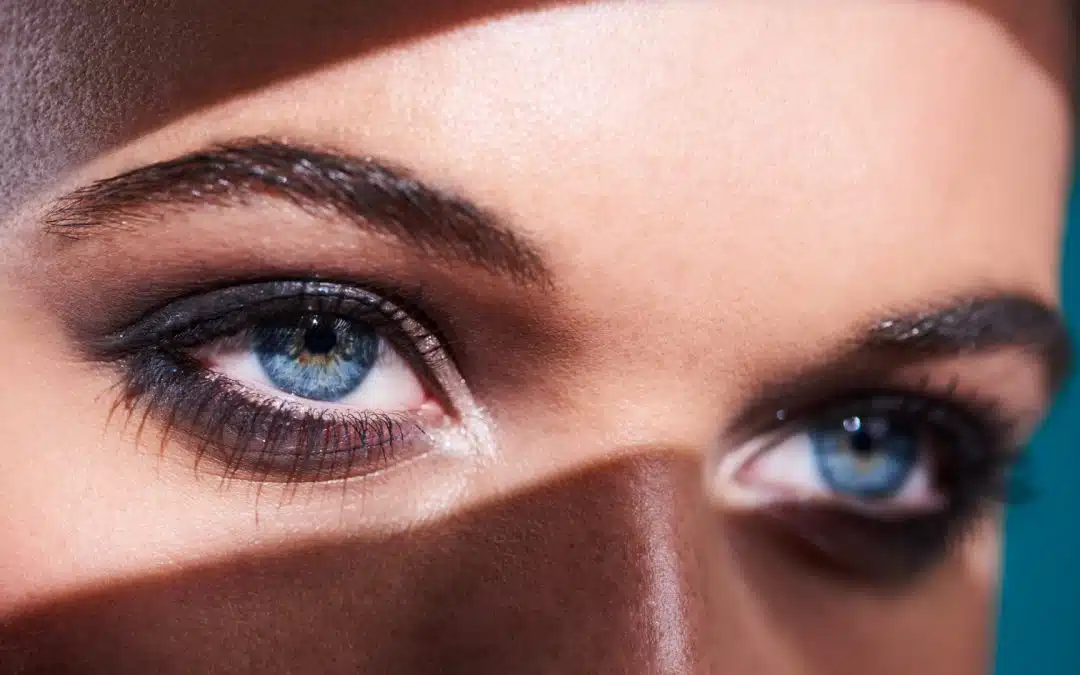
This type affects the eyes, leading to dryness, irritation, redness, and, in some cases, blurred vision. Because symptoms can overlap, professional diagnosis is essential to determine the specific subtype and appropriate treatment plan.
Common Rosacea Triggers
Identifying and avoiding triggers plays a significant role in managing rosacea. While triggers vary among individuals, common ones include:
- Sun exposure
- Heat and humidity
- Cold winds
- Spicy foods
- Alcohol
- Hot beverages
- Emotional stress
- Certain skincare ingredients
Keeping a trigger journal can help patients recognize patterns and reduce the frequency of flare-ups. However, trigger management alone is usually not sufficient for moderate to severe rosacea, making professional treatment necessary.
Why Professional Diagnosis Matters
Rosacea can often resemble other skin conditions, including acne vulgaris, seborrheic dermatitis, and even certain allergic reactions. As a result, misdiagnosis is not uncommon, and incorrect treatment may actually worsen redness, irritation, and inflammation. Therefore, seeking a professional evaluation is essential for proper management. A comprehensive assessment typically begins with a detailed review of the patient’s medical background and skincare history. In addition, clinicians carefully analyze redness patterns, examine visible blood vessels, and identify any inflammatory lesions present on the skin.
They also evaluate overall skin sensitivity to determine how reactive the skin may be to various treatments. Through this thorough diagnostic process, healthcare professionals can establish an accurate diagnosis and recommend evidence-based treatments that are specifically tailored to the individual’s unique condition and skin type.
Evidence-Based Treatment Options for Rosacea
Modern rosacea treatment focuses on reducing inflammation, controlling vascular symptoms, and preventing long-term skin damage. Treatment plans are often customized and may combine multiple approaches.
Topical Medications
Topical treatments may include anti-inflammatory agents or medications designed to temporarily constrict blood vessels and reduce redness. These are often prescribed for mild to moderate cases.
Oral Medications
For more severe inflammatory rosacea, oral antibiotics or anti-inflammatory medications may be recommended. These medications help control flare-ups and reduce lesion formation.
Laser and Light-Based Therapies
Laser therapy has become one of the most effective solutions for persistent redness and visible blood vessels. Common laser options include:
- Intense Pulsed Light (IPL): Targets redness and superficial broken capillaries
- Pulsed Dye Laser (PDL): Treats deeper vascular lesions
- Fractional Laser Treatments: Improve skin texture and reduce inflammatory irregularities
Laser treatments work by targeting hemoglobin within dilated blood vessels. The energy causes the vessels to collapse and gradually fade, while surrounding skin remains unaffected. Multiple sessions are typically required, spaced several weeks apart, to achieve optimal results.
What to Expect During Laser Treatment
Patients frequently have questions about comfort and recovery time before beginning laser treatment for rosacea. In most cases, laser procedures are well tolerated, particularly when performed by trained and experienced professionals. Treatment sessions typically last between 20 and 45 minutes, depending on the size and severity of the affected area. During the procedure, patients may feel a mild warmth or a light snapping sensation on the skin.
Afterward, temporary redness or slight swelling can occur; however, these effects are generally short-lived. In most instances, downtime is minimal, allowing individuals to resume their normal daily activities shortly after treatment. Nevertheless, consistent sun protection is strongly recommended during the recovery period to support optimal healing and protect the treated skin.
The Importance of Gentle Skincare
Because rosacea-prone skin is highly sensitive, maintaining a gentle skincare routine is essential. Harsh products can compromise the skin barrier and trigger flare-ups. Recommended skincare strategies include:
- Using fragrance-free, non-irritating cleansers
- Avoiding alcohol-based toners
- Applying moisturizer regularly to strengthen the skin barrier
- Using mineral-based sunscreen daily
- Avoiding over-exfoliation
Introducing new skincare products gradually can help monitor for potential irritation.
Long-Term Management and Follow-Up
Rosacea is a lifelong condition, which makes long-term monitoring an essential part of effective management. Even after noticeable improvement in symptoms, maintenance treatments and regular follow-up visits play a critical role in preventing recurrence. Ongoing care allows healthcare providers to adjust medications when necessary, evaluate the skin’s response to laser therapy, and identify any new triggers that may contribute to flare-ups.
In addition, consistent monitoring helps prevent the condition from progressing to more advanced stages. Ultimately, maintaining regular follow-up appointments and adhering to a structured treatment plan are among the most important factors in achieving stable, long-lasting results.
The Emotional and Psychological Impact of Rosacea
While rosacea primarily affects the skin, it can also influence emotional well-being. Persistent facial redness may cause self-consciousness, social anxiety, or decreased confidence. Studies suggest that patients who receive effective treatment often report not only clearer skin but also improved quality of life. Addressing rosacea early can therefore have both physical and psychological benefits.
Choosing the Best Rosacea Clinic in Winter Park, FL
When searching for the best rosacea clinic in Winter Park, FL, patients should consider several factors:
- Experience with vascular laser treatments
- Access to advanced FDA-cleared technology
- Personalized treatment planning
- Emphasis on patient education
- Ongoing follow-up support
A clinic that integrates medical expertise with modern technology provides a structured and evidence-based environment for managing rosacea effectively.
Conclusion: Trusted Rosacea Care in Winter Park, FL
Rosacea is a complex and chronic skin condition that requires a comprehensive and individualized approach. Effective management combines professional diagnosis, evidence-based medical treatments, advanced laser therapies, lifestyle adjustments, and consistent follow-up care. For individuals in Winter Park seeking structured and medically supervised rosacea treatment, Wymore Laser and Anti-Aging Medicineprovides advanced laser technology, customized treatment plans, and ongoing patient education. By focusing on long-term skin health rather than temporary solutions, Wymore Laser helps patients manage redness, reduce visible blood vessels, and improve overall skin clarity.
Ultimately, choosing an experienced clinic such as Wymore Laser and Anti-Aging Medicine allows patients to take control of their rosacea with confidence, supported by professional guidance and modern treatment solutions designed for lasting results.