


Facial aging is a gradual and complex process that involves multiple structural changes. Over time, the skin loses elasticity, collagen production decreases, fat pads in the face shift downward, and bone density subtly diminishes. One of the areas most affected by these changes is the midface specifically, the cheeks. As a result, the face may appear flatter, the under-eye area may look hollow, and smile lines may become more pronounced. These subtle changes can make a person look tired or older than they feel.
Non-surgical interventions such as cheek fillers have become a widely used solution to address midface volume loss. They provide structural support, restore facial contours, and can create a naturally youthful appearance without the need for invasive surgery. This article provides a detailed educational overview of cheek fillers, including how they work, who can benefit, what to expect during treatment, and why selecting a qualified provider is critical for safe and effective results.
Understanding Midface Anatomy and Aging
To appreciate the benefits of cheek fillers, it is important to understand the anatomy of the midface and how it changes over time.
The Role of Cheeks in Facial Structure
The cheeks are central to facial aesthetics. They provide support to surrounding areas including the under-eyes, nasolabial folds (smile lines), and the lower face. When volume in the cheeks diminishes, several changes may occur:
- Hollowing beneath the eyes
- Flattened or less prominent cheekbones
- Deepening of nasolabial folds
- Subtle sagging in the lower face
Because the midface provides foundational support to adjacent structures, restoring cheek volume can have a positive effect on the entire facial appearance. Essentially, cheek fillers do more than enhance volume they help maintain facial balance and harmony.
Why Volume Loss Occurs
Several biological factors contribute to midface volume loss:
- Collagen Decline: Collagen is a structural protein that keeps the skin firm. Its reduction leads to decreased skin elasticity.
- Fat Pad Migration: Fat in the cheeks naturally shifts downward with age, contributing to hollowness and sagging.
- Bone Resorption: As facial bones lose density over time, midface support weakens.
- Skin Laxity: The skin becomes thinner and less elastic, making volume loss more noticeable.
Understanding these factors highlights why cheek fillers can be effective: they restore support to the midface in a way that complements underlying anatomy rather than masking it.
What Are Cheek Fillers?
Cheek fillers are injectable dermal fillers designed to restore volume, improve contour, and provide structural lift to the midface. Most modern cheek fillers are formulated with hyaluronic acid (HA), a naturally occurring substance in the body.
Why Hyaluronic Acid Is Commonly Used
Hyaluronic acid is a sugar molecule present in the skin and connective tissue. It binds water molecules, maintaining hydration, plumpness, and elasticity. When injected as a dermal filler, HA:
- Provides immediate volume and lift
- Integrates naturally with surrounding tissues
- Attracts water to enhance hydration
- Can be adjusted or dissolved if necessary
HA fillers are popular for their safety profile, predictable results, and reversibility.
How Cheek Fillers Work
When injected strategically, cheek fillers provide structural support to the midface, creating both lift and contour. The technique and depth of injection are critical for achieving natural-looking results.
The Science of Midface Restoration
Cheek fillers primarily address volume loss in the following ways:
- Projection: Filler adds forward support to the cheekbone, enhancing its definition.
- Lift: By restoring volume to sagging areas, fillers produce a subtle lifting effect on surrounding tissues.
- Smoothing: Cheek fillers can soften the appearance of nasolabial folds and marionette lines indirectly, due to improved midface support.
- Hydration: HA’s water-binding properties improve skin quality and elasticity over time.
- Longevity of Results
Hyaluronic acid fillers are metabolized naturally by the body. Most cheek fillers last 12–18 months, although individual factors like metabolism, lifestyle, and product type influence duration. Maintenance treatments can prolong results and ensure consistent midface support.
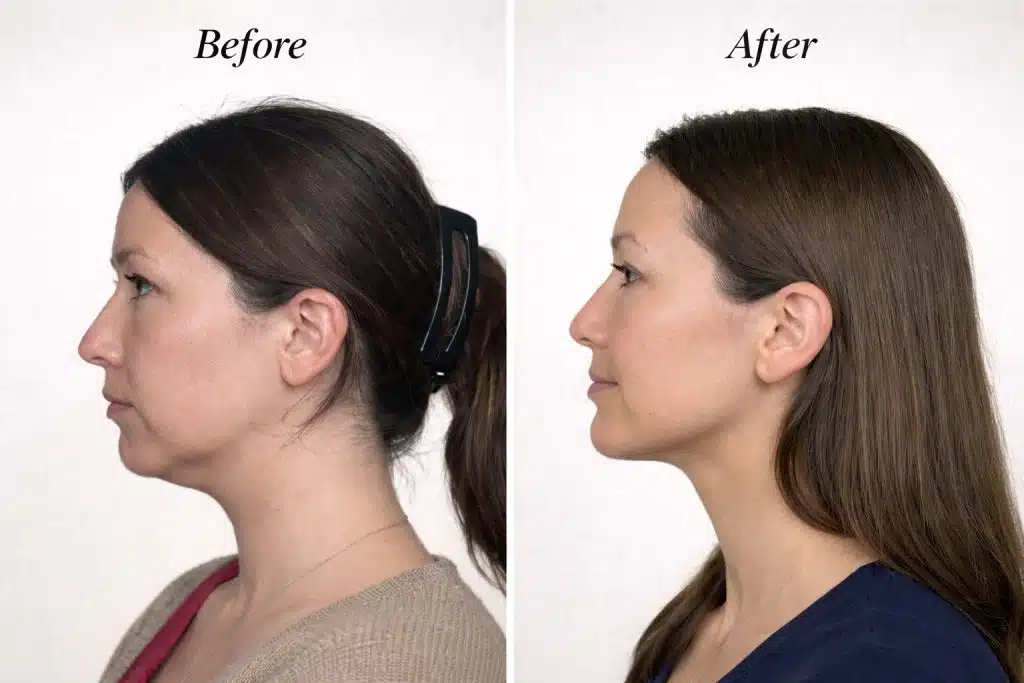
Who Can Benefit from Cheek Fillers?
Cheek fillers are suitable for a broad range of individuals:
Age-Related Volume Loss
As facial fat pads descend and collagen decreases, the cheeks lose projection. Fillers help restore youthful volume, improving midface support.
Facial Contour Enhancement
Younger patients often pursue cheek fillers to define cheekbones or enhance facial symmetry. Even without age-related changes, fillers can refine natural contours.
Indirect Support for Other Areas
Midface restoration can reduce the appearance of under-eye hollows and soften nasolabial folds. It also contributes to overall facial balance.
Realistic Expectations
Ideal candidates are in good general health, understand the temporary nature of fillers, and have reasonable expectations for results. A consultation with a qualified provider helps determine suitability and ensures that goals align with achievable outcomes.
The Cheek Filler Consultation Process
A comprehensive consultation is essential to safe and effective treatment. During the evaluation, a provider examines:
- Bone structure
- Skin quality and thickness
- Degree of volume loss
- Facial symmetry
- Patient goals and expectations
- This assessment informs the treatment plan, including the type of filler, volume, and injection technique.
Key points of discussion during consultation often include:
- Potential risks and side effects
- Duration of results
- Post-treatment care
- Maintenance and follow-up
Thorough consultation ensures informed decision-making and helps patients feel confident about their treatment plan.
The Cheek Filler Procedure: Step by Step
Cheek filler treatments are minimally invasive outpatient procedures that typically take 20–30 minutes.
Step 1: Preparation
The treatment area is cleansed, and a topical numbing agent is applied to reduce discomfort.
Step 2: Strategic Injection
The filler is injected at specific depths using either a fine needle or cannula. Placement is designed to restore midface structure, improve projection, and enhance cheek contours.
Step 3: Assessment and Refinement
The provider evaluates symmetry and adjusts placement as necessary to ensure natural results.
Step 4: Immediate Observation
Patients often notice visible improvement immediately. Mild swelling may occur, and final results are typically apparent within several days.
Post-Treatment Care and Recovery
Cheek fillers generally involve minimal downtime, making them a convenient option for many patients.
Common Temporary Effects
- Mild swelling
- Minor bruising
- Tenderness at injection sites
Aftercare Recommendations
To ensure optimal results:
- Avoid strenuous activity for 24–48 hours
- Limit heat exposure, such as saunas or hot baths
- Avoid pressing or massaging the treated area
- Maintain hydration and follow provider instructions
Proper aftercare supports smooth healing and prolongs the effects of treatment.
Potential Risks and Safety Considerations
Cheek fillers are generally safe when administered by trained professionals. However, as with any injectable treatment, there are potential risks:
- Bruising or swelling
- Temporary asymmetry
- Rare vascular complications
Choosing a provider with extensive knowledge of facial anatomy and precise injection techniques is essential to minimize these risks.
The Educational Approach to Aesthetic Treatments
Understanding the science and procedure behind cheek fillers empowers patients to make informed choices. A provider who educates patients about anatomy, filler properties, and realistic outcomes fosters better results and higher satisfaction.
Key Principles of an Educational Approach:
- Comprehensive facial assessment before treatment
- Evidence-based product selection
- Conservative, anatomy-driven injection techniques
- Clear communication of risks, benefits, and expectations
This approach encourages patient confidence and long-term satisfaction while prioritizing safety.
Frequently Asked Questions
Q: Are cheek fillers permanent?
A: No. Most fillers are temporary, lasting 12–18 months, allowing patients to reassess and adjust treatments over time.
Q: Is the procedure painful?
A: Discomfort is generally minimal. Topical anesthetics and gentle injection techniques are commonly used.
Q: Can results be reversed?
A: Yes. Hyaluronic acid fillers can be dissolved safely if necessary.
Q: How soon will I see results?
A: Initial improvement is visible immediately. Final results become more apparent as swelling subsides over several days.
Q: Is there downtime?
A: Downtime is minimal. Most patients resume normal activities within 24 hours.

Choosing the Right Provider: Why Expertise Matters
Achieving natural-looking, balanced results with cheek fillers requires technical skill, anatomical knowledge, and experience. Providers must understand facial structure, product characteristics, and injection techniques to deliver safe, harmonious results. Selecting a provider who emphasizes education, individualized planning, and conservative enhancement ensures that patients make informed decisions and experience predictable outcomes.
Conclusion:
Cheek fillers provide a non-surgical way to restore midface volume, enhance contours, and improve facial harmony. At Wymore Laser & Anti-Aging Medicine in Winter Park, the approach is educational and patient-centered. Consultations include a detailed assessment, review of options, and guidance on realistic outcomes. By combining expertise with evidence-based techniques, the team ensures natural, balanced results. For those considering cheek fillers, a professional consultation helps create a personalized plan for safe, long-lasting midface rejuvenation.