

Facial redness is a common skin concern that can affect anyone, regardless of age or skin type. Although often harmless, persistent redness can indicate underlying conditions and impact both comfort and confidence. Understanding why it happens and how it can be managed is key to maintaining healthy skin.
What Makes Your Skin Red? Exploring the Triggers
Facial redness occurs when blood vessels near the surface of the skin dilate or become more visible. This can be triggered by a variety of internal and external factors. Common causes include:
- Rosacea: A chronic condition that causes flushing, visible veins, and acne-like bumps.
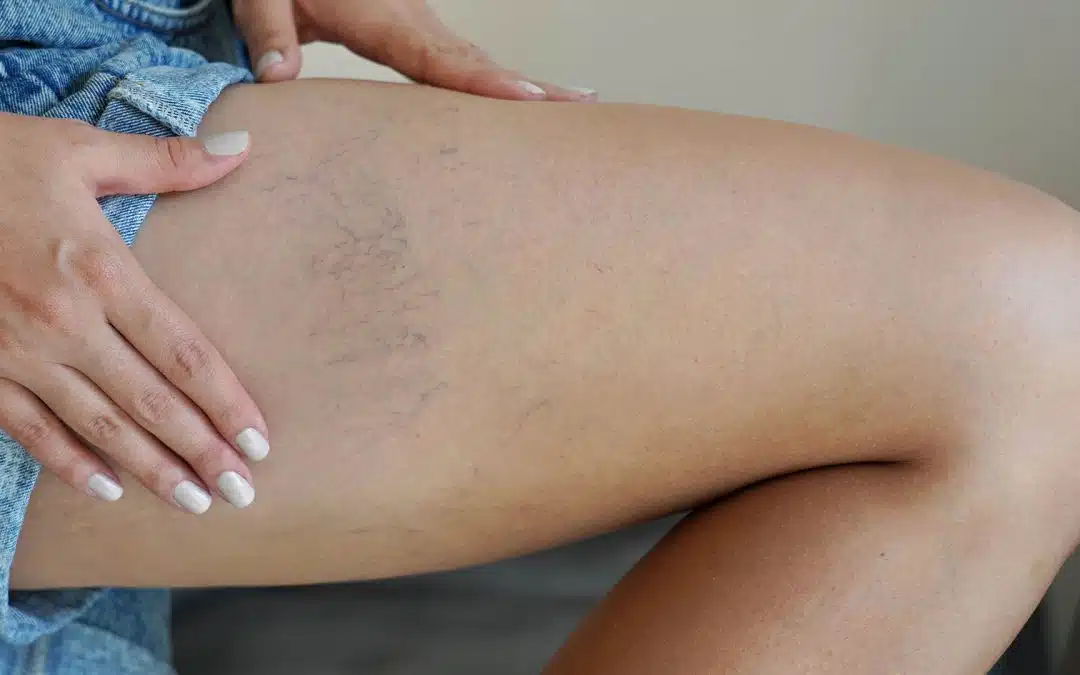
- Broken Capillaries: Fragile veins often caused by sun exposure, aging, or minor skin trauma.
- Inflammation from Acne: Pimples and irritated skin can temporarily increase redness.
- Sun Damage: Excessive UV exposure weakens blood vessels and exacerbates redness.
- Environmental Stressors: Extreme temperatures, wind, and allergens can trigger sensitivity.
Identifying these triggers allows for a more targeted approach to treatment and prevention.
When Redness Signals a Deeper Concern
Occasional redness is common, but persistent or worsening symptoms should be evaluated. You should consider professional guidance if you notice:
- Continuous flushing or a burning sensation
- Visible broken blood vessels or bumps
- Redness that doesn’t improve with over-the-counter products
- Swelling, irritation, or discomfort
Recognizing these signs early can prevent long-term skin damage and support healthier outcomes.
Evidence-Based Approaches to Reducing Redness
Managing facial redness effectively involves addressing the underlying causes rather than just the symptoms. Key strategies include:
1: Light-Based Therapies: Precision Targeting
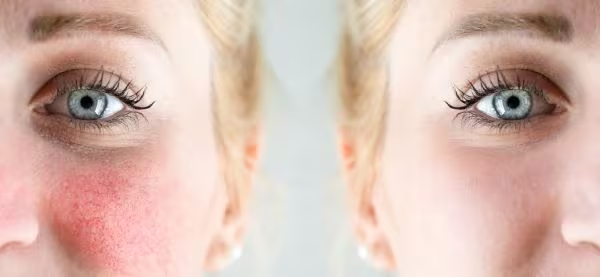
Laser and IPL treatments target the blood vessels that cause redness. They work by collapsing problematic vessels, which the body then naturally absorbs.
- Intense Pulsed Light (IPL): Broad-spectrum light improves skin tone and reduces visible vessels.
- Vascular Lasers: Precisely treat broken capillaries and rosacea.
These treatments are supported by clinical evidence and provide noticeable improvements over time.
2: Topical Solutions: Calming and Protective
Topical treatments can be effective for mild redness or as part of a broader care plan. Common options include:
- Anti-inflammatory creams or prescriptions
- Serums with niacinamide or azelaic acid
- Moisturizers designed for sensitive skin
Consistent use strengthens the skin barrier and reduces susceptibility to flare-ups.
3: Exfoliation and Skin Renewal
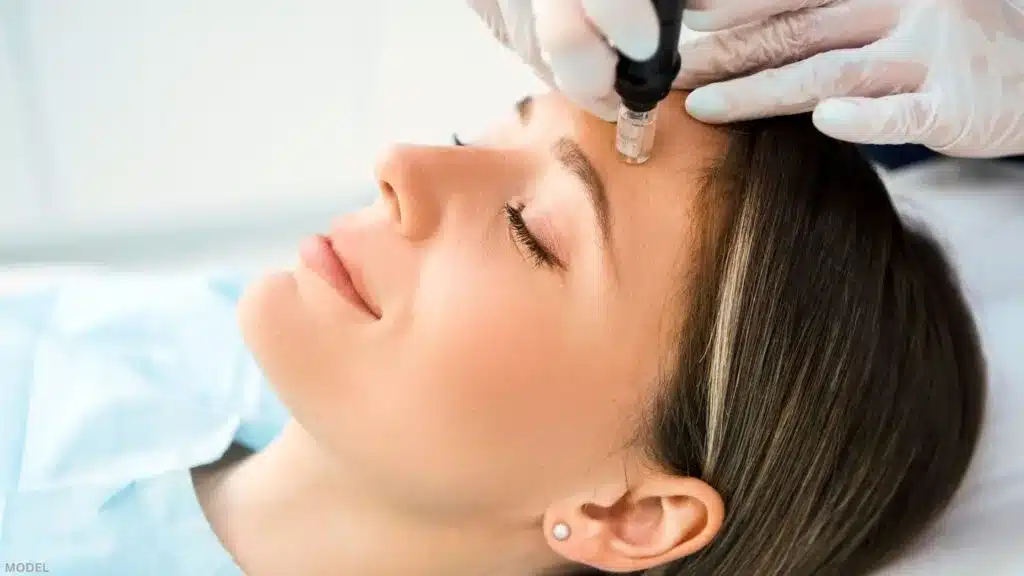
Chemical peels and microdermabrasion improve skin texture and promote cell turnover. When combined with other therapies, these methods can enhance skin clarity and reduce redness.
4: Personalized Skincare Planning
Each individual’s skin responds differently. A tailored plan considers:
- Skin type and sensitivity
- Severity and source of redness
- Lifestyle factors, including diet, sun exposure, and stress
Customized approaches maximize effectiveness while minimizing irritation.
How Treatments Work: The Science Behind Redness Reduction
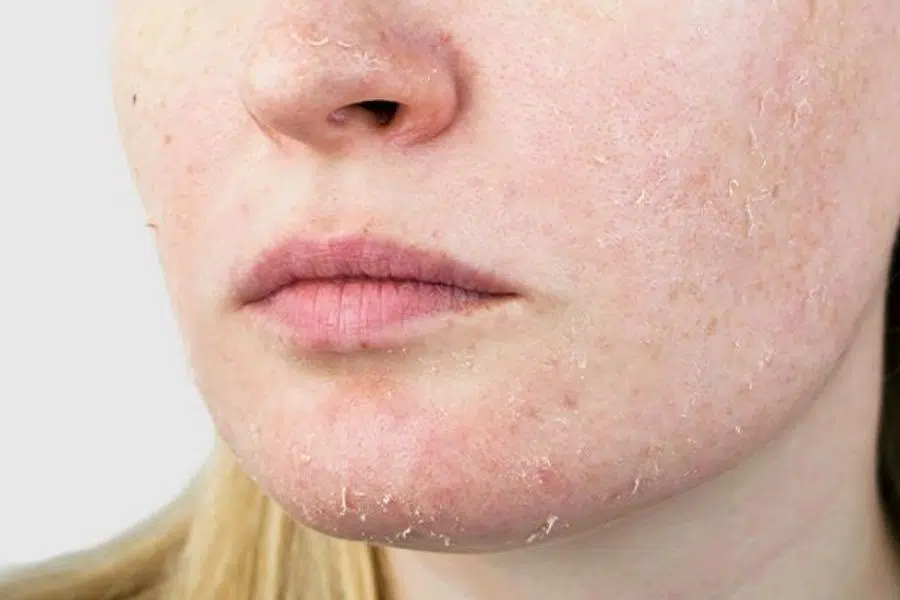
Facial redness is commonly associated with vascular inflammation and a compromised skin barrier, both of which contribute to persistent flushing and sensitivity. Evidence-based treatments are designed to address these underlying factors by targeting dilated blood vessels, allowing laser and light-based therapies to collapse visible vessels that cause redness and enable the body to naturally absorb them over time.
At the same time, these treatments stimulate collagen production, which strengthens the skin’s structure, improves resilience, and helps reduce the likelihood of future flare-ups. Additionally, by calming inflammation and soothing irritated tissue, professional treatments help restore a balanced and healthier skin barrier. Understanding how these mechanisms work together explains why targeted, clinically proven treatments are often more effective than surface-level solutions.
Preparing for a Treatment Session
Preparation ensures the skin responds optimally. Recommended steps include:
- Limiting sun exposure for 1–2 weeks before treatment
- Avoiding skincare products that increase sensitivity
- Maintaining hydration and gentle cleansing habits
These steps help reduce side effects and enhance treatment results.
Post-Treatment Care for Lasting Results
Proper aftercare plays a vital role in supporting skin healing and maximizing treatment results. Using gentle cleansers and moisturizers helps protect the skin barrier while reducing irritation during the recovery phase. Daily application of a broad-spectrum sunscreen is essential to shield the skin from UV damage and prevent redness from returning. It is also important to temporarily avoid harsh skincare products that may disrupt healing or increase sensitivity. Attending follow-up sessions as advised allows progress to be monitored and treatments to be adjusted if needed. Together, these aftercare practices help the skin recover effectively and maintain long-term improvements.
Supporting Skin Health Through Lifestyle
Alongside clinical treatments, lifestyle habits play a key role:
- Sun Protection: Daily SPF and protective clothing reduce UV damage.
- Gentle Skincare: Avoid harsh scrubs and alcohol-based products.
- Hydration & Nutrition: Anti-inflammatory foods and sufficient water support skin health.
- Stress Management: Yoga, meditation, or other relaxation techniques reduce triggers.
- Temperature Awareness: Protect skin from extreme cold or heat.
Integrating these habits helps maintain long-term skin health and minimize flare-ups.
Frequently Asked Questions About Facial Redness
Q1: What are the most common causes of persistent facial redness?
Persistent redness can result from rosacea, broken capillaries, acne, sun damage, or environmental factors.
Q2: How do laser treatments reduce redness?
Laser energy targets blood vessels, causing them to collapse and be naturally absorbed by the body.
Q3: Can topical treatments help?
Yes, anti-inflammatory creams and serums help reduce redness, especially when combined with professional therapies.
Q4: How many sessions are usually required?
Treatment frequency varies, but 3–6 sessions are typical for optimal results.
Q5: Can lifestyle changes prevent redness from recurring?
Yes, sun protection, gentle skincare, proper hydration, diet, and stress management can reduce flare-ups.
Next Steps: Learning More About Your Skin
Understanding your skin and how it reacts to environmental and internal triggers is essential for long-term care. For individuals experiencing persistent facial redness, scheduling an educational consultation with a qualified specialist can help clarify treatment options, explain expected outcomes, and provide evidence-based guidance. Whether you are exploring laser therapies, topical solutions, or personalized skincare strategies, gaining professional insights empowers you to manage redness effectively and maintain healthier, balanced skin.