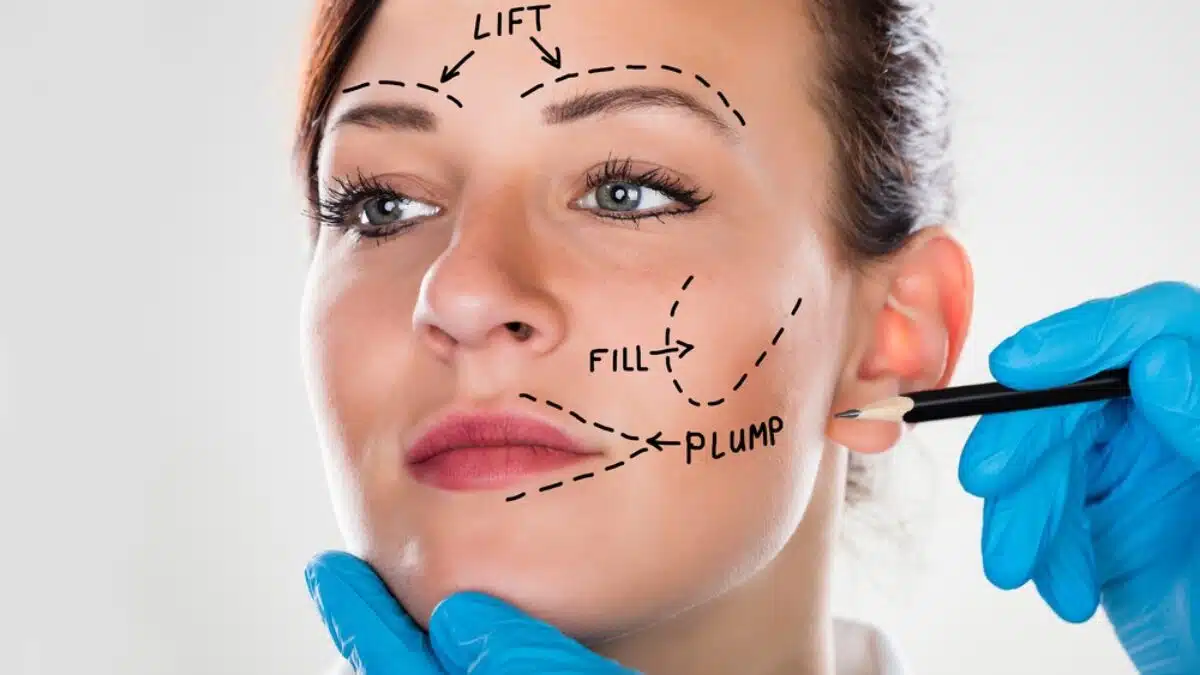
Aging is a complex, three-dimensional process. As we navigate our thirties, forties, and fifties, the elegant, sharp contours of youth undergo a predictable structural shift. This evolution is driven by a triad of biological events: the gradual depletion of structural proteins (collagen and elastin), the descent of superficial fat pads under the weight of gravity, and subtle bone resorption. The visual outcome is a loss of tissue elasticity, manifesting as a softened jawline, deepening nasolabial folds, and the emergence of jowls. For decades, addressing these signs of facial aging meant making a binary choice: accept these changes as inevitable, or undergo major, invasive surgery. Today, modern aesthetic medicine offers a sophisticated spectrum of intervention.
For individuals seeking to restore their natural, youthful contours, two primary modalities dominate the clinical conversation: the minimally invasive PDO thread lift and the traditional surgical facelift (rhytidectomy). Choosing between these treatments requires a deep understanding of their unique mechanisms, anatomical targets, budget requirements, and recovery profiles. At Wymore Laser & Anti-Aging Medicine, our clinical philosophy is rooted in comprehensive patient education and bespoke treatment design. Under the medical supervision of experienced practitioners, we help you navigate these options to select the path that aligns perfectly with your lifestyle and aesthetic goals.
Understanding the Non-Surgical Pioneer: The PDO Thread Lift
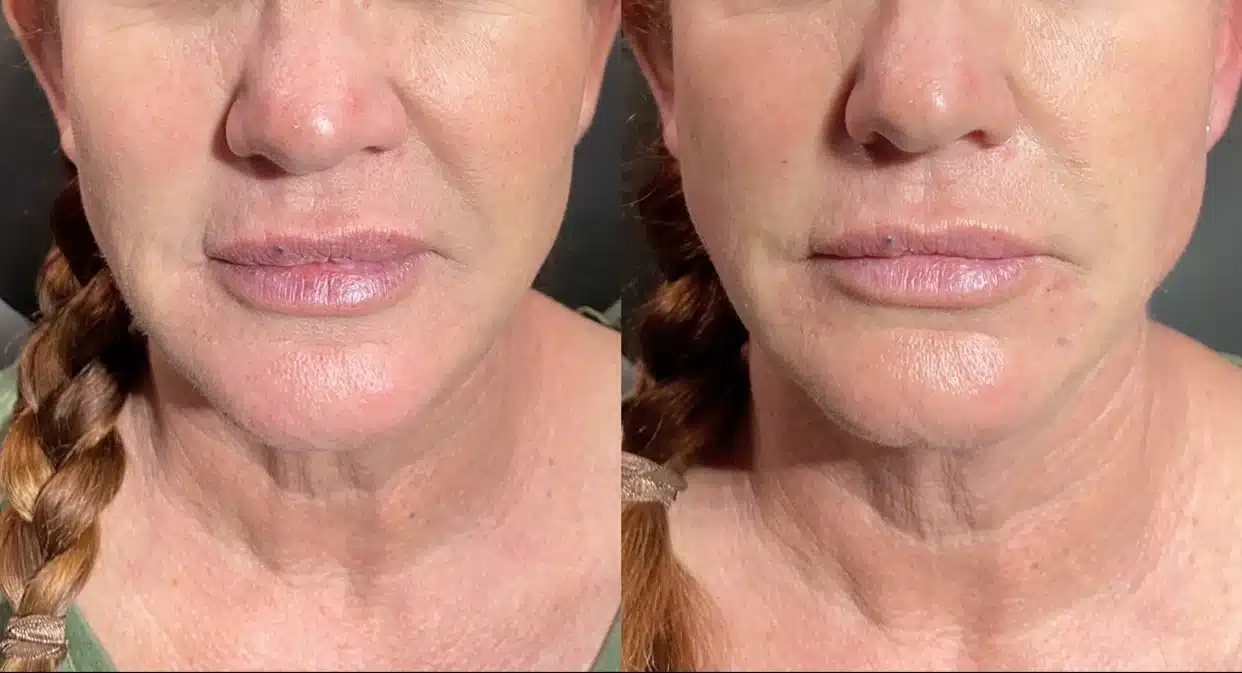
A PDO thread lift is a highly precise, minimally invasive procedure designed to lift, tighten, and redrape moderately sagging facial tissues without the need for surgical incisions. The treatment utilizes biocompatible, absorbable sutures made of Polydioxanone (PDO) a medical-grade polymer trusted in cardiothoracic surgery for over thirty years due to its safety and low tissue reactivity.
The Biomechanics of the Lift: Suspension and Stimulation
The clinical efficacy of a PDO thread lift lies in its dual-action mechanism:
- Immediate Mechanical Suspension: Moulded or barbed PDO threads are strategically guided into the subcutaneous tissue layer using ultra-fine, blunt-tipped cannulas. Once positioned, the microscopic barbs anchor securely into the subcutaneous fat. The practitioner then applies precise upward tension along pre-calculated vectors, physically lifting and securing the skin into a more youthful, elevated position.
- Delayed Biological Rejuvenation (Neocollagenesis): As the threads rest in the tissue, they initiate a controlled, micro-inflammatory response. This biological signal prompts the body to recruit fibroblasts and synthesize fresh Type I and Type III collagen, alongside elastin. Over the course of six to nine months, the threads safely hydrolyze (dissolve) and are naturally metabolized by the body. What remains is a newly forged, organic scaffolding of collagen that maintains the structural lift, restores skin elasticity, and improves skin texture long after the threads have vanished.
Key Advantages of a PDO Thread Lift
- Minimal Recovery Window: Often called the “weekend lift,” most patients experience minimal disruption to their personal and professional schedules, returning to light activities almost immediately.
- Vector-Specific Customization: Threads can be placed in highly precise patterns to target specific trouble zones, including the mid-face, jawline, submentum (under the chin), and the lateral brow.
- Avoidance of General Anaesthesia: The entire procedure is performed under comfortable local tumescent anaesthesia, bypassing the systemic risks, nausea, and grogginess associated with general sedation.
- Zero Scarring: Because the entry points are created with microscopic needles or cannulas, there are no scalpels, sutures, or permanent scars.
Understanding the Surgical Gold Standard: The Facelift
For advanced, severe tissue descent, the surgical facelift (rhytidectomy) remains the definitive clinical standard. A facelift is an invasive surgical reconstruction of the lower two-thirds of the face and neck, performed by a board-certified plastic surgeon in an operating room setting.
The Anatomy of a Surgical Lift: Restructuring the SMAS
The modern surgical facelift has evolved far beyond the skin-stretching techniques of the late 20th century, which often left patients with an unnatural, “wind-blown” appearance. Today’s techniques focus on the deeper structural layers of the face:
- Incision and Access: Incisions are meticulously mapped along the natural contours of the ear, extending upward into the temporal hairline and occasionally behind the ear into the lower scalp.
- SMAS Mobilization: The surgeon dissects and elevates the SMAS (Superficial Musculoaponeurotic System) the deep, fibrous sheet of tissue that envelops the facial muscles. By lifting, repositioning, and suturing this deep muscular layer back to its original anatomical position, the surgeon reconstructs the foundational support of the face.
- Redraping and Excision: Once the SMAS is securely anchored, the overlying skin is gently redraped over the newly elevated contours. The excess, redundant skin is carefully trimmed away, and the incisions are closed with fine, surgical sutures.
Key Advantages of a Surgical Facelift
- Unrivalled Transformative Power: A facelift addresses profound structural laxity, heavy jowling, and severe neck laxity (often combined with a platysmaplasty, or neck lift) in a way no non-surgical treatment can mimic.
- Exceptional Longevity: While a facelift cannot stop the biological clock, it effectively resets it. The structural changes achieved through deep plane or SMAS manipulation typically endure for 10 to 15 years.
- Comprehensive Recontouring: It allows for the simultaneously removal of deep fat deposits, tightening of loose muscles, and removal of extensive excess skin.
Comparative Analysis: Side-by-Side Evaluation
To help clarify your options, we have structured a comparative analysis of these two rejuvenating pathways:
| Clinical Variable | PDO Thread Lift | Surgical Facelift (Rhytidectomy) |
| Primary Indication | Mild to moderate laxity; early jowling | Moderate to severe laxity; heavy jowling & neck sagging |
| Anatomical Target | Subcutaneous tissue (dermal-subdermal junction) | Deep SMAS muscle layer & superficial skin |
| Setting & Anaesthesia | Outpatient clinic; local tumescent anaesthesia | Operating room; general anaesthesia or deep IV sedation |
| Recovery Downtime | 48 to 72 hours of social downtime | 14 to 21 days of clinical healing & swelling resolution |
| Procedure Duration | 45 to 60 minutes | 3 to 5 hours |
| Incision & Scarring | Micro-punctures; 100% scarless | Hairline & periauricular incisions; minimal hidden scars |
| Duration of Efficacy | 12 to 24 months | 10 to 15 years |
| Risk Profile | Exceptionally low; transient swelling, mild bruising | Standard surgical risks; hematoma, nerve injury, scarring |
Clinical Decision Matrix: Profiling the Ideal Candidate
Determining the appropriate path is not merely a matter of personal preference; it is a clinical decision based on physical presentation, lifestyle constraints, and long-term goals.
The Ideal PDO Thread Lift Candidate
You are likely an excellent candidate for a thread lift if you exhibit:
- Mild to Moderate Descent: Early-stage sagging of the mid-face, mild softening of the jawline, or minor nasolabial folds.
- Robust Skin Elasticity: The overlying skin still retains reasonable resilience and “bounce-back” capability. If the skin is too thin or excessively sun-damaged, it may not drape optimally over the threads.
- Lifestyle Constraints: Individuals who cannot accommodate weeks of surgical downtime due to high-profile careers, family obligations, or personal preferences.
- Medical Considerations: Patients who prefer to avoid general anaesthesia or those for whom invasive surgery presents elevated medical risks.
The Ideal Surgical Facelift Candidate
You are likely an excellent candidate for a surgical facelift if you exhibit:
- Advanced Structural Laxity: Pronounced, heavy jowling, deep marionette lines, and significant redundancy of the skin along the jawline and neck.
- Diminished Tissue Elasticity: The skin has lost its natural resilience, requiring physical excision rather than just redirection and elevation.
- Long-Term Vision: Patients seeking a definitive, “one-and-done” intervention who are prepared to invest in the financial cost and recovery period associated with major surgery.
Why Choose Wymore Laser for Your Anti-Aging Journey?
If you decide that a non-surgical approach is best for your lifestyle, choosing the right provider is critical to ensuring beautiful, safe, and natural-looking results. At Wymore Laser & Anti-Aging Medicine in Winter Park, Florida, we are proud to be recognized as one of Central Florida’s premier medical spas. For over 26 years, our medical team has delivered world-class aesthetic care to the residents of Winter Park, Orlando, and Central Florida. Under the medical supervision of experienced, board-certified physicians, our licensed and certified clinical practitioners ensure that your treatment is executed with the highest standards of safety, precision, and clinical excellence. We have been repeatedly voted Best of Orlando (2020-2025) and honoured with The Talk Awards for Service Excellence. Our clinic is dedicated to the art of the natural aesthetic ensuring you look refreshed, restored, and entirely like yourself, without the “overdone” look.
The Art of the Synergistic “Liquid Lift” at Wymore Laser
For many patients, aging is not characterized by sagging alone, but also by volume loss and changes in skin quality. In these cases, a PDO thread lift can serve as the structural anchor of a comprehensive, non-surgical facial rejuvenation plan. At Wymore Laser, we often design multi-modality treatment regimens to address all layers of facial aging simultaneously:
- Dermal Fillers (Juvéderm, Restylane): While threads lift structural tissues, premium hyaluronic acid fillers restore lost volume in key areas like the cheeks, temples, and under-eye hollows.
- Neuromodulators (Botox, Dysport, Xeomin): These relax the dynamic muscles of the upper face (forehead lines, crow’s feet, and glabella), presenting a smooth, peaceful canvas.
- RF Micro needling & Laser Skin Resurfacing: These address the surface epidermis, erasing fine lines, sun damage, and age spots, and dramatically enhancing the overall texture of your skin.
By combining these advanced medical-grade therapies, we can create a customized “liquid lift” that mimics many of the aesthetic benefits of a surgical facelift, customized entirely to your facial anatomy all with virtually zero downtime.
Navigating Your PDO Thread Lift: The Treatment Experience
If you select a non-surgical PDO thread lift at Wymore Laser & Anti-Aging Medicine, your journey is streamlined, safe, and carefully structured to ensure optimal comfort and exceptional results.
A Note on Clinical Safety: Because PDO threads are fully absorbable and biodegradable, the risk of long-term complications is vanishingly small. At Wymore Laser, our strict adherence to sterile medical protocols and vector-based placement guarantees that your treatment is as safe as it is beautiful.
Frequently Asked Questions
Q.1 Will my face feel stiff or unnatural after a PDO thread lift?
Immediately following the procedure, you may experience a sensation of tightness or mild restriction when opening your mouth widely or smiling. This is a completely normal part of the initial tissue suspension. As the threads integrate and settle into your facial tissues over the first 7 to 14 days, this sensation resolves, leaving you with a completely natural-looking lift and normal facial expressions.
Q.2 Can a thread lift be undone if I don’t like the results?
Unlike a surgical facelift, which is permanent and difficult to alter, PDO threads are fully absorbable. While they cannot be simply “pulled out” once anchored, they will naturally dissolve over a period of months. Furthermore, minor adjustments can be made immediately post-procedure, and RF treatments or specialized massage can accelerate the softening of the threads if desired.
Q.3 How much does a thread lift cost compared to a surgical facelift?
A surgical facelift is a major financial undertaking, requiring fees for the surgeon, anaesthesiologist, operating room, and post-operative medications, typically running into five figures. A PDO thread lift is a fraction of that cost, making it an exceptionally accessible option for patients seeking profound aesthetic enhancement without a major financial burden.
Q.4 Are there any permanent side effects associated with PDO threads?
Permanent complications are incredibly rare. Normal, temporary side effects include mild swelling, pinpoint bruising, and slight tenderness at the entry points, all of which typically resolve within a few days. Because we use medical-grade, sterile PDO sutures, the risk of infection or tissue rejection is exceptionally low.
Take the Next Step Toward Restored Confidence
Aging is inevitable, but looking tired or prematurely aged is optional. Whether you are looking to subtly contour your jawline, lift a heavy mid-face, or simply restore the vibrant reflection you are used to seeing in the mirror, the team at Wymore Laser & Anti-Aging Medicine is here to guide you. Located in the heart of Winter Park, our clinic offers a sanctuary of medical expertise, cutting-edge technology, and compassionate care. Let us help you design a customized treatment plan that fits your life, your budget, and your beauty goals.